Emperor Gum Moth
Opodiphthera eucalypti
The Emperor Gum Moth (Opodiphthera eucalypti) is a moth recorded in Australia 1,610 times. 26 native plants are known to feed or shelter it.
Photo: Andrew Allen, CC BY, via iNaturalist
Plants to grow for it
-
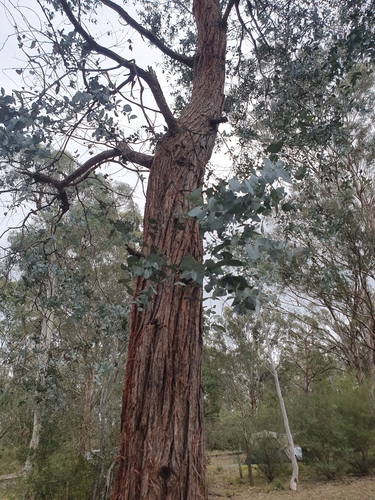 Argyle AppleEucalyptus cinerea
Food for the Little Lorikeet and othersFeeds 22 kinds of wildlifeCaterpillar food, Eaten
-
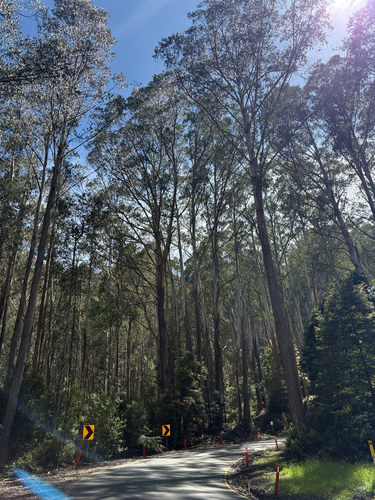 Alpine AshEucalyptus delegatensis
Food for the Little Lorikeet and othersFeeds 18 kinds of wildlifeEaten
-
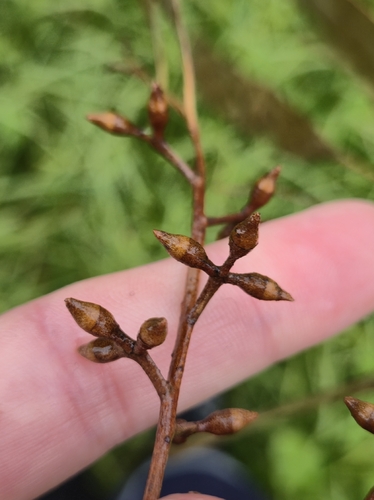 Manna GumEucalyptus viminalis
Food for the Gang-gang Cockatoo and othersFeeds 34 kinds of wildlifeCaterpillar food, Eaten
-
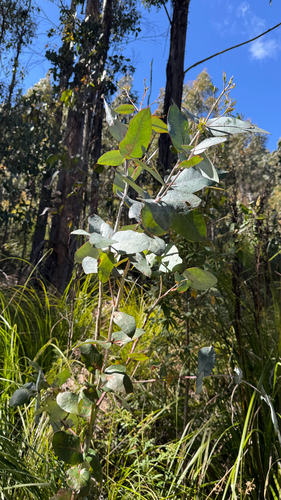 Maiden's Blue GumEucalyptus globulus
Food for the Swift Parrot and othersFeeds 35 kinds of wildlifeCaterpillar food
-
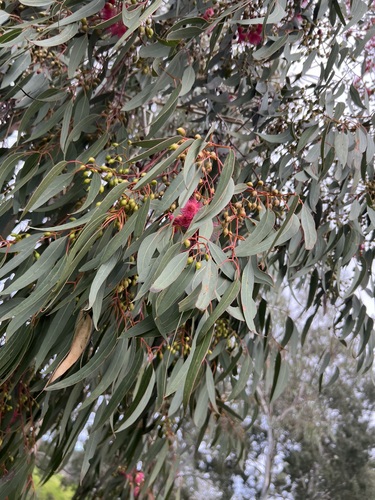 Red IronbarkEucalyptus sideroxylon
Food for the Gang-gang Cockatoo and othersFeeds 27 kinds of wildlifeEaten
-
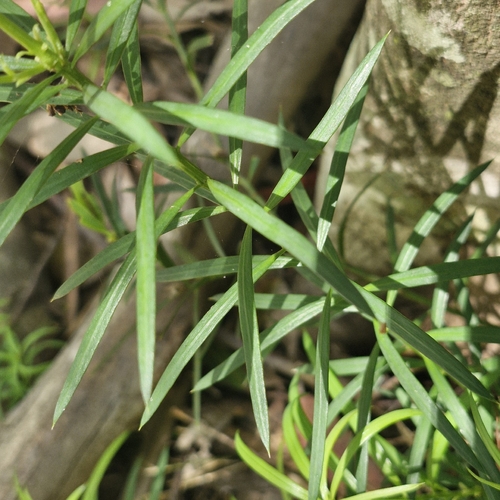 Dwarf Plum-pinePodocarpus spinulosus
Feeds 1 kind of wildlifeCaterpillar food, Eaten
-
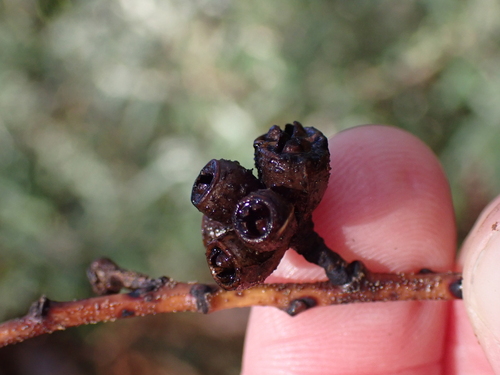 Shining GumEucalyptus nitens
Food for the Little Lorikeet and othersFeeds 18 kinds of wildlifeCaterpillar food, Eaten
-
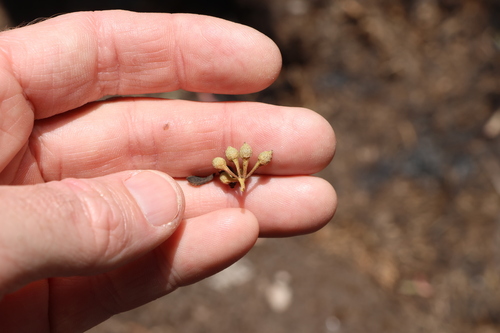 Yellow BoxEucalyptus melliodora
Food for the Gang-gang Cockatoo and othersFeeds 27 kinds of wildlifeCaterpillar food
-
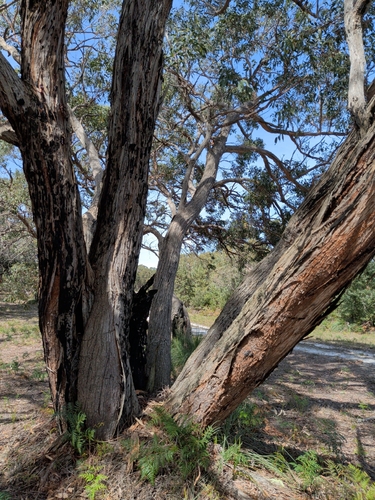 Messmate StringybarkEucalyptus obliqua
Food for the Gang-gang Cockatoo and othersFeeds 30 kinds of wildlifeCaterpillar food
-
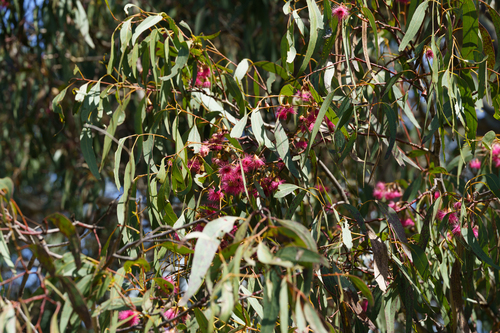 Yellow GumEucalyptus leucoxylon
Food for the Gang-gang Cockatoo and othersFeeds 29 kinds of wildlifeCaterpillar food
-
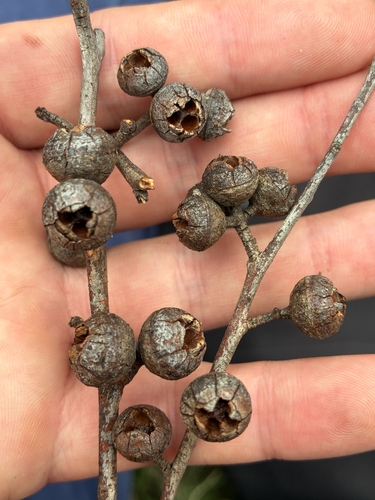 Red StringybarkEucalyptus macrorhyncha
Food for the Gang-gang Cockatoo and othersFeeds 18 kinds of wildlifeCaterpillar food
-
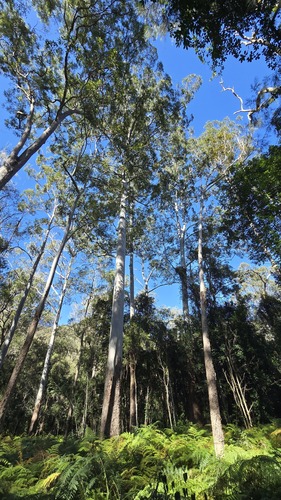 Sydney Blue GumEucalyptus saligna
Food for the Little Lorikeet and othersFeeds 27 kinds of wildlifeCaterpillar food
-
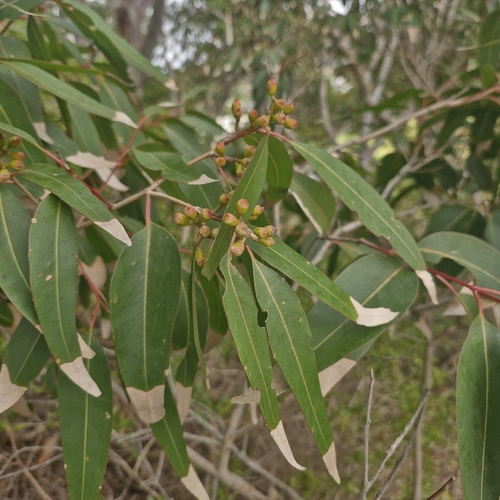 Spotted GumCorymbia maculata
Food for the Swift Parrot and othersFeeds 6 kinds of wildlifeAlso recorded with
-
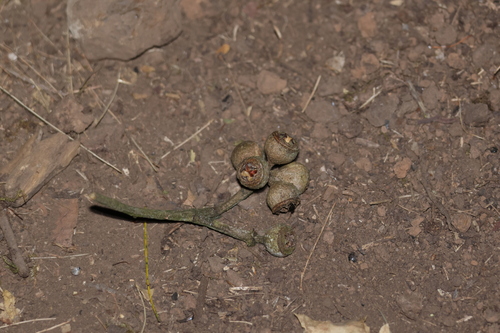 Thin-leaved StringybarkEucalyptus eugenioides
Food for the Little Lorikeet and othersFeeds 14 kinds of wildlifeCaterpillar food
-
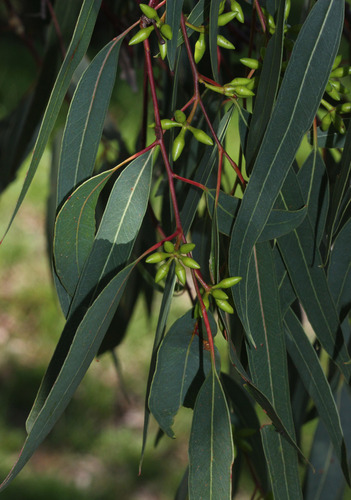 Blakely's Red GumEucalyptus blakelyi
Food for the Gang-gang Cockatoo and othersFeeds 28 kinds of wildlifeCaterpillar food
-
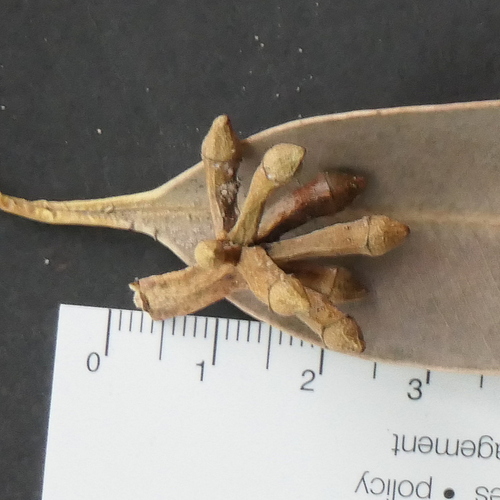 BangalayEucalyptus botryoides
Food for the Gang-gang Cockatoo and othersFeeds 21 kinds of wildlifeCaterpillar food
-
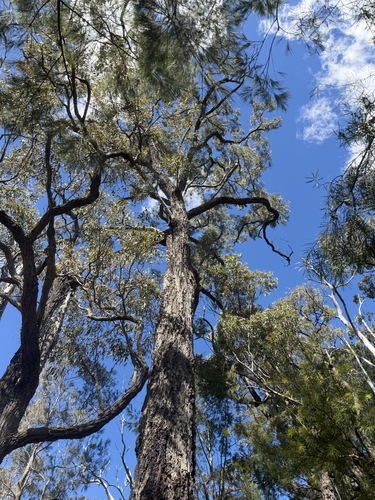 Southern Grey IronbarkEucalyptus paniculata
Food for the Little LorikeetFeeds 20 kinds of wildlifeCaterpillar food
-
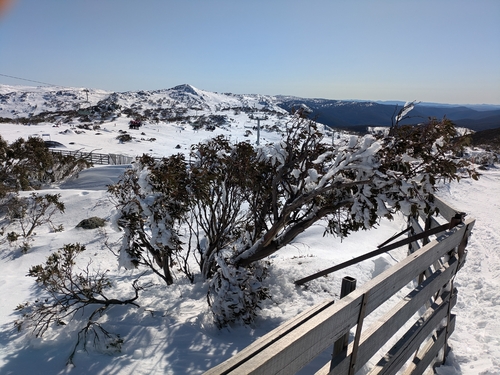 Snow GumEucalyptus pauciflora
Food for the Gang-gang Cockatoo and othersFeeds 31 kinds of wildlifeCaterpillar food
-
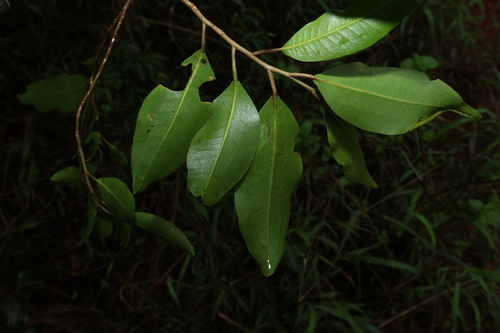 Axe GapperGeijera salicifolia
Feeds 8 kinds of wildlifeCaterpillar food
-
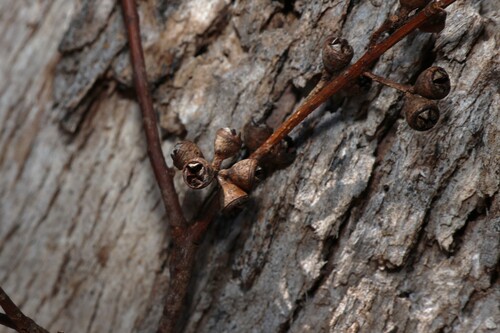 Apple BoxEucalyptus bridgesiana
Food for the Gang-gang Cockatoo and othersFeeds 25 kinds of wildlifeCaterpillar food
-
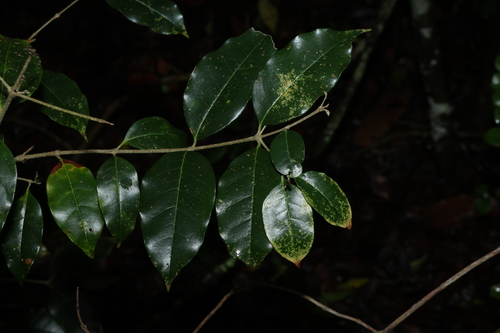 Australian OliveOlea paniculata
Feeds 6 kinds of wildlifeCaterpillar food
-
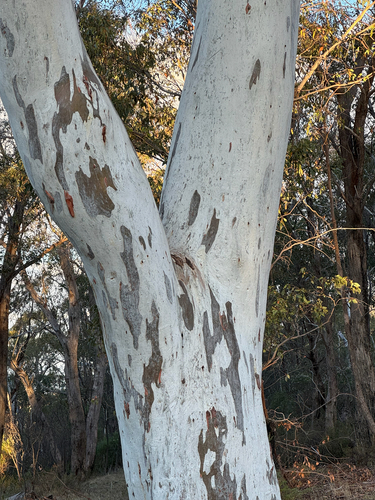 Brittle GumEucalyptus mannifera
Food for the Little Lorikeet and othersFeeds 18 kinds of wildlifeCaterpillar food
-
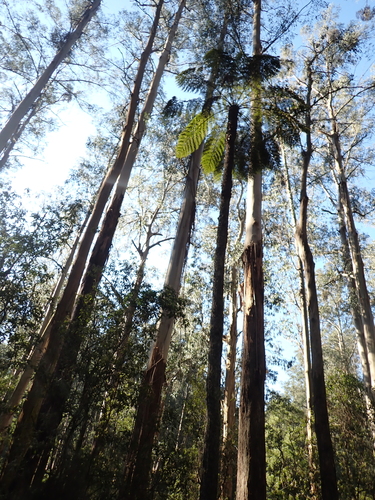 Mountain AshEucalyptus regnans
Food for the Greater Glider and othersFeeds 20 kinds of wildlifeCaterpillar food
-
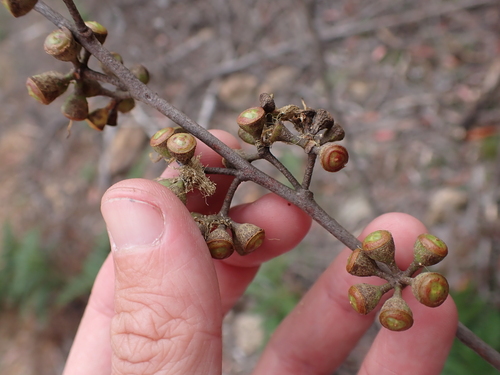 Brown BarrelEucalyptus fastigata
Food for the Little Lorikeet and othersFeeds 15 kinds of wildlifeCaterpillar food
-
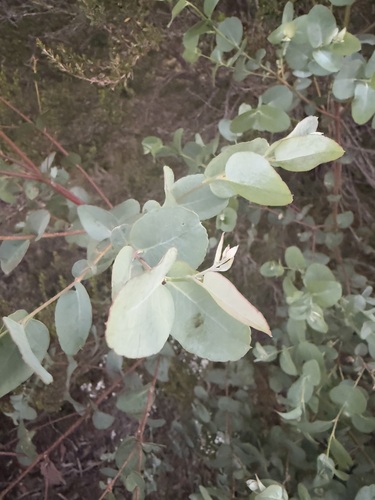 Cider GumEucalyptus gunnii
Feeds 9 kinds of wildlifeCaterpillar food
-
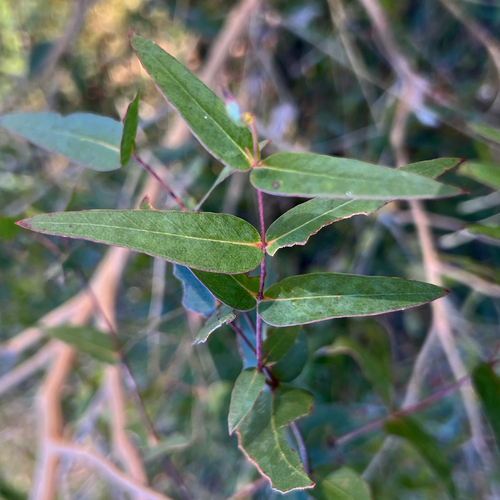 Camden WoolybuttEucalyptus macarthurii
Food for the Little Lorikeet and othersFeeds 16 kinds of wildlifeCaterpillar food
Sources
- Edward Baker; Ian Kitching; George W Beccaloni; Amoret Whitaker; Steen Dupont; Vincent Smith; John S Noyes (2017). NHM Interactions Bank. https://doi.org/10.5519/0060767. Accessed at <https://data.nhm.ac.uk/dataset/82e807f0-6273-4f19-be0a-7f7558442a25/resource/f84ad9f1-bd0c-4811-8108-8dcd83f224a4/do
- Gaden S. Robinson; Phillip R. Ackery; Ian Kitching; George W Beccaloni; Luis M. Hernández (2023). HOSTS (from HOSTS - a Database of the World's Lepidopteran Hostplants) [Data set resource]. Natural History Museum. https://data.nhm.ac.uk/dataset/hosts/resource/877f387a-36a3-486c-a0c1-b8d5fb69f85a via
- Glare, T.R., O’Callaghan, M., and Wigley, P.J. 1993. Checklist of naturally occurring entomopathogens microbes and nematodes in New Zealand. New Zealand Journal of Zoology 20: 95-120.
- Greenwood, L.K., and Moore, N.F. 1982. The Nudaurelia B group of small RNA-containing viruses of insects: serological identification of several new isolates. J. Invertber. Pathol. 39:407-409
- Hukuhara, T., and Bonami, J. 1991. Reoviridae, in Adams, J.R., Bonami, J.R. (eds.) Atlas of invertebrate viruses. CRC Press. Boston.
- Martignoni, M.E. and Iwai, P.J. A catalogue of viral diseases of insects, mites and ticks. Appendix 2 [pp. 899-912] In, H.D. Burges (ed.) Microbial Control of Pests and Plant Diseases, 1970-1980. London: Academic Press, 1981. 949 pp.
- Moore, N.F., and Eley, S.M. 1991. Picornaviruses of invertebrates. pp. 371-386 in Adams, J.R. and Bonami, J.R. [Eds.] Atlas of invertebrate viruses. CRC Press, Boston.
- iNaturalist observation
- iNaturalist observation
- iNaturalist observation
- iNaturalist observation
- iNaturalist observation