Ipsilon Dart Moth
Agrotis ipsilon
The Ipsilon Dart Moth (Agrotis ipsilon) is a moth recorded in Australia 892 times. 12 native plants are known to feed or shelter it.
Photo: SteveM4560, CC BY, via iNaturalist
Plants to grow for it
-
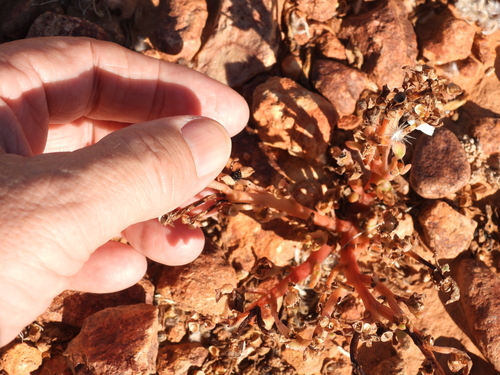 PigweedPortulaca oleracea
Feeds 25 kinds of wildlifeCaterpillar food, Eaten
-
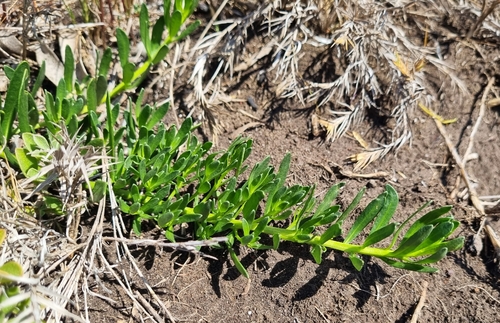 Creeping MyoporumMyoporum parvifolium
Feeds 8 kinds of wildlifeEaten
-
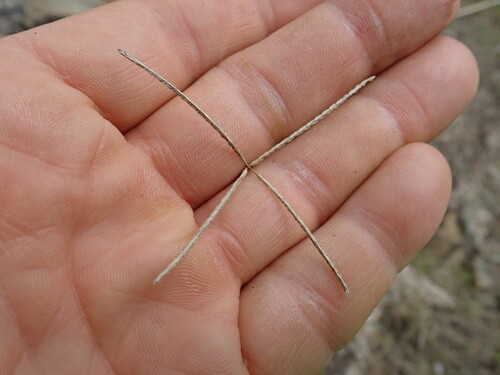 CouchCynodon dactylon
Feeds 22 kinds of wildlifeCaterpillar food
-
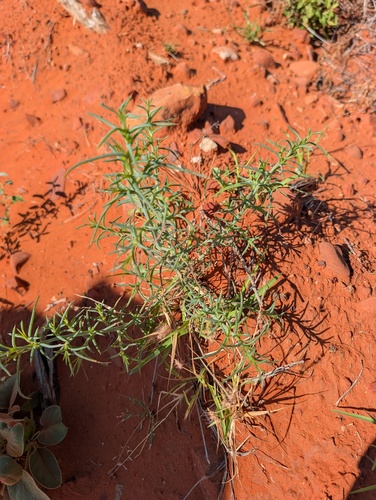 Prickly Russian ThistleSalsola australis
Feeds 8 kinds of wildlifePricklyCaterpillar food
-
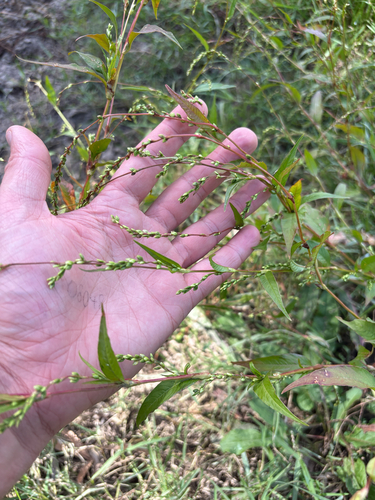 Water PepperPersicaria hydropiper
Feeds 6 kinds of wildlifeEaten
-
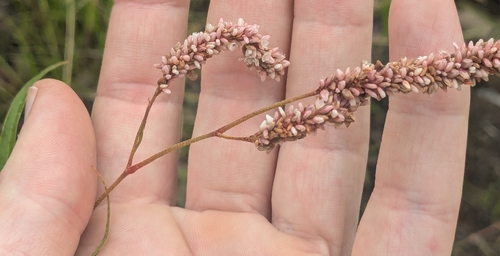 Pale KnotweedPersicaria lapathifolia
Feeds 8 kinds of wildlifeEaten
-
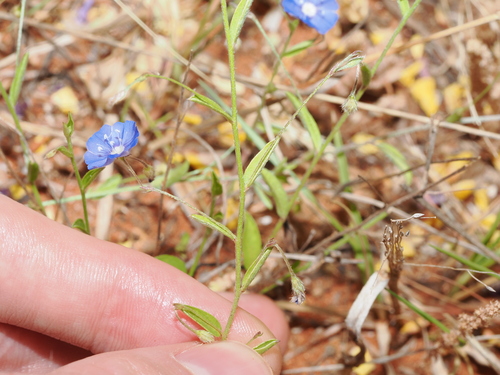 Tropical SpeedwellEvolvulus alsinoides
Feeds 4 kinds of wildlifeCaterpillar food
-
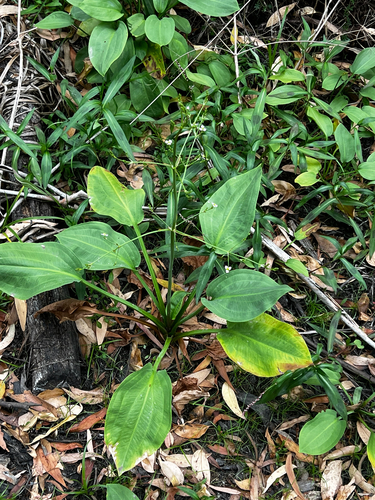 Common Water PlantainAlisma plantago-aquatica
Feeds 2 kinds of wildlifeFlowers visited
-
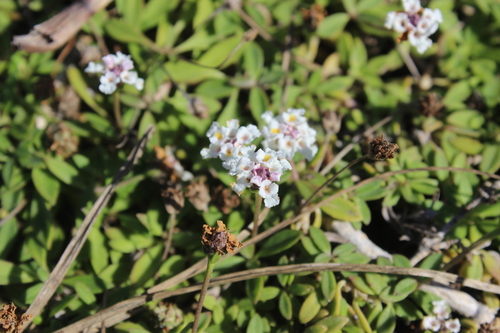 Turkey Tangle FrogfruitPhyla nodiflora
Feeds 13 kinds of wildlifeAlso recorded with
-
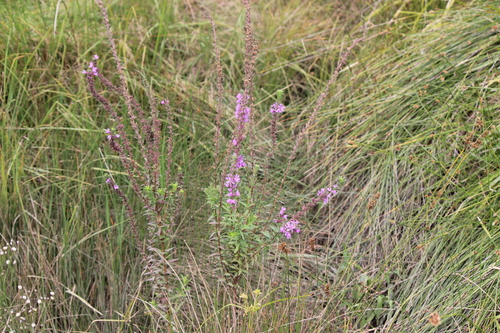 Large LoosestrifeLythrum salicaria
Feeds 13 kinds of wildlifeFlowers visited
-
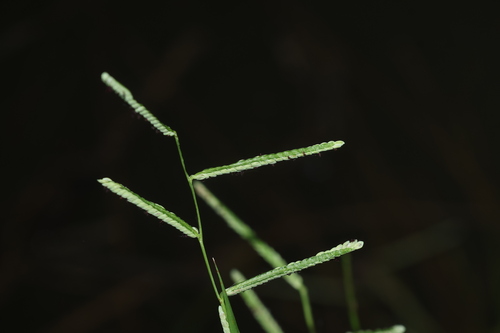 Ditch MilletPaspalum scrobiculatum
Feeds 6 kinds of wildlifeCaterpillar food
-
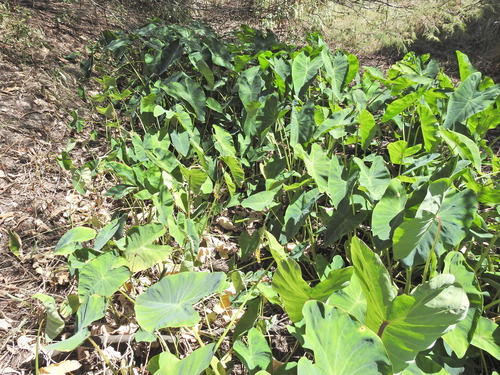 TaroColocasia esculenta
Feeds 14 kinds of wildlifeCaterpillar food
Sources
- Ellis, W. N. (2022). Plant Parasites of Europe – leafminers, galls and fungi [Database]. https://bladmineerders.nl/
- Gaden S. Robinson; Phillip R. Ackery; Ian Kitching; George W Beccaloni; Luis M. Hernández (2023). HOSTS (from HOSTS - a Database of the World's Lepidopteran Hostplants) [Data set resource]. Natural History Museum. https://data.nhm.ac.uk/dataset/hosts/resource/877f387a-36a3-486c-a0c1-b8d5fb69f85a via
- Richard E. Walton, Carl D. Sayer, Helen Bennion, Jan C. Axmacher; Nocturnal pollinators strongly contribute to pollen transport of wild flowers in an agricultural landscape. Biol Lett 1 May 2020; 16 (5): 20190877. https://doi.org/10.1098/rsbl.2019.0877. Accessed at <https://github.com/globalbioticin
- Robinson, G. S., Ackery, P. A., Kitching, I., Beccaloni, G. W., Hernández, L. M. (2023). HOSTS - a Database of the World's Lepidopteran Hostplants [Data set]. Natural History Museum. (doi:10.5519/havt50xw) <https://data.nhm.ac.uk/dataset/hosts>
- iNaturalist observation
- iNaturalist observation
- iNaturalist observation
- iNaturalist observation