What to plant in Black Hills
150 native plants grow wild within 5 km of Black Hills. Start with the garden-sized ones below: the most common locally, ranked higher when they feed more local wildlife.
1 threatened species recorded nearbyPlant these first
-
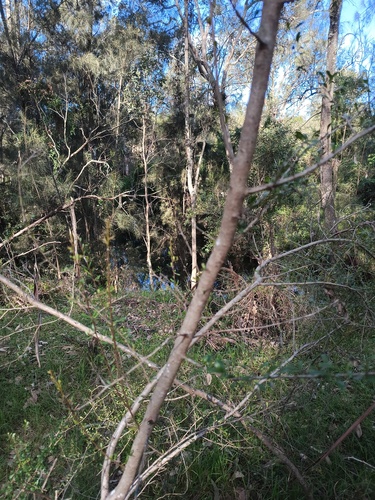 Australian BlackthornBursaria spinosa
Feeds 54 kinds of wildlifePrickly
-
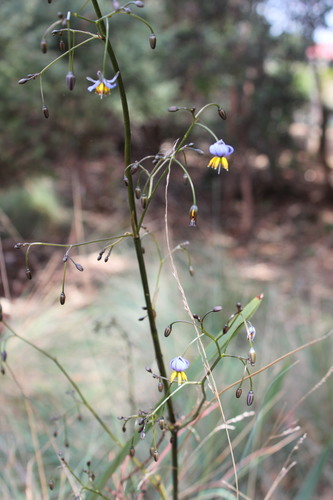 Tasmanian Flax-lilyDianella tasmanica
Feeds 1 kind of wildlife
-
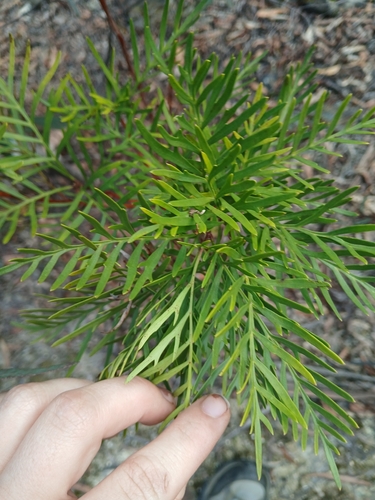 Guitar PlantLomatia tinctoria
Feeds 2 kinds of wildlife
-
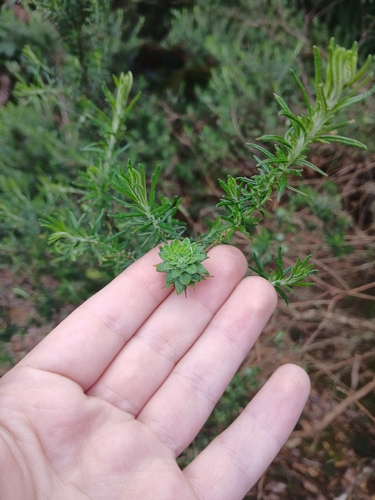 Dolly BushCassinia aculeata
Feeds 8 kinds of wildlife
-
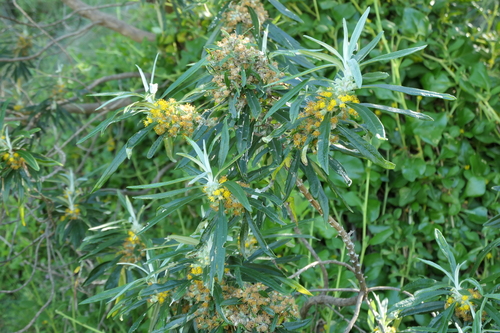 Blanket BushBedfordia salicina
Feeds 1 kind of wildlife
-
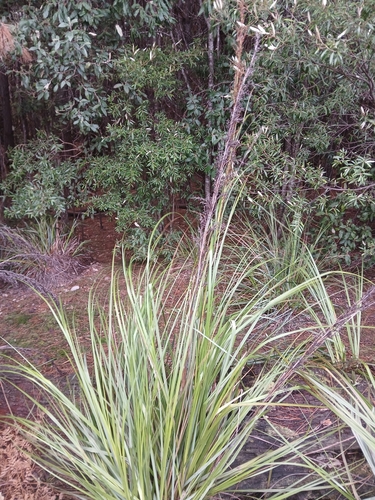 Cutting GrassGahnia grandis
Feeds 7 kinds of wildlife
-
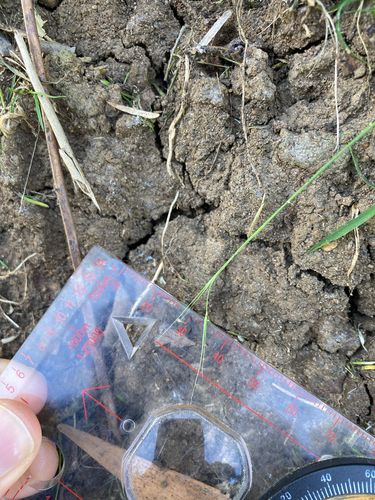 Weeping-grassMicrolaena stipoides
Feeds 6 kinds of wildlife
-
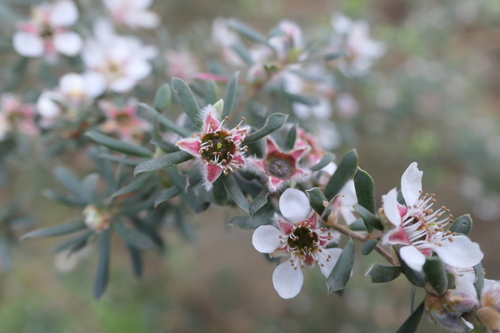 Woolly TeatreeLeptospermum lanigerum
Feeds 2 kinds of wildlife
-
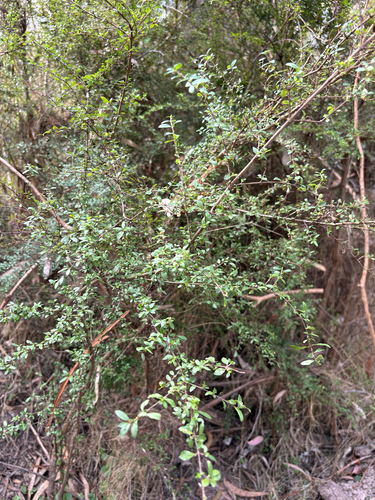 Prickly Currant-BushCoprosma quadrifida
Feeds 3 kinds of wildlife
-
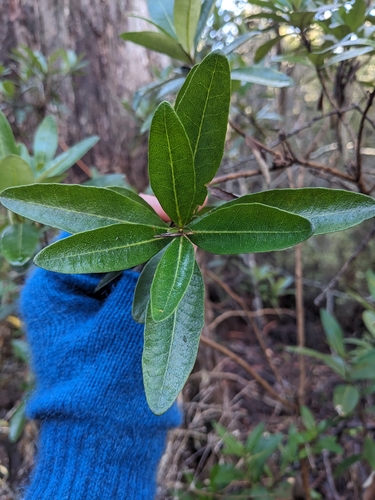 Viscid Daisy-bushOlearia viscosa
No wildlife links recorded yet
-
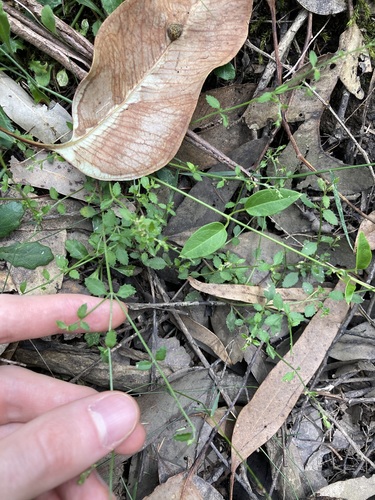 Shade RaspwortGonocarpus humilis
No wildlife links recorded yet
-
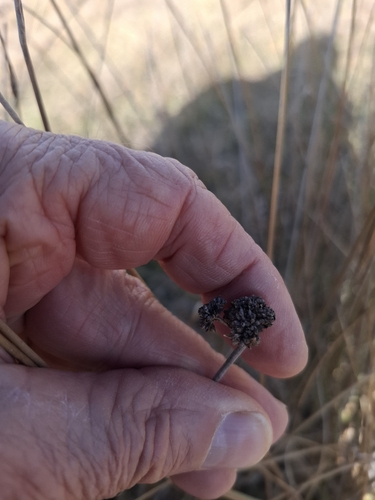 Austral RushJuncus australis
No wildlife links recorded yet
For a small garden: trees up to 8 m
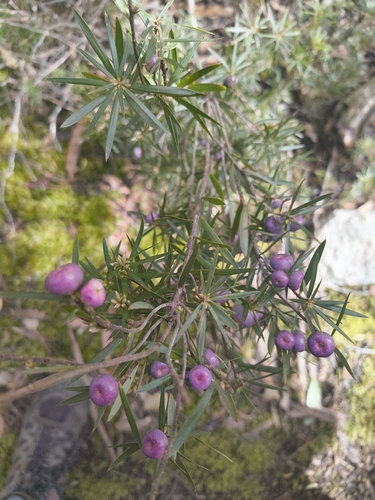
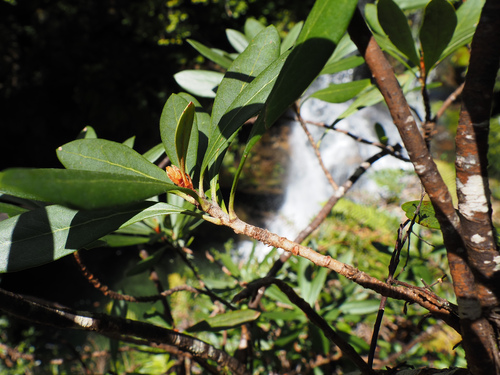
Shrubs for screening and shelter
-
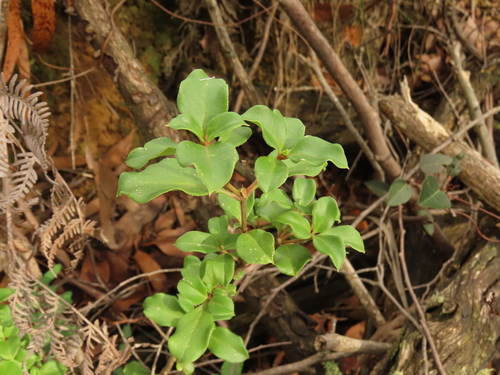 Rough CoprosmaCoprosma hirtella
No wildlife links recorded yet
-
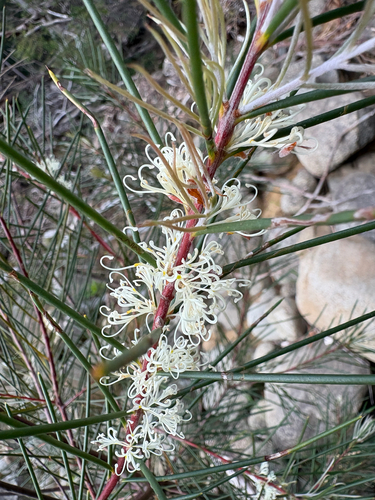 Mountain NeedlewoodHakea lissosperma
No wildlife links recorded yetPrickly
-
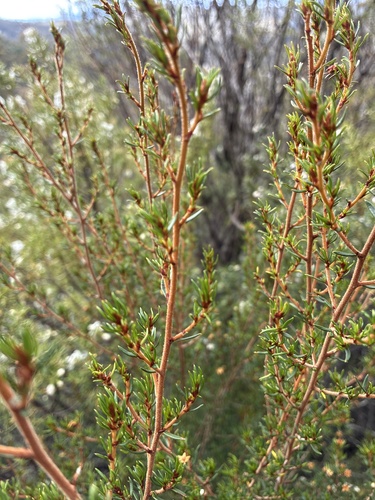 Spyridium ulicinum
No wildlife links recorded yet
-
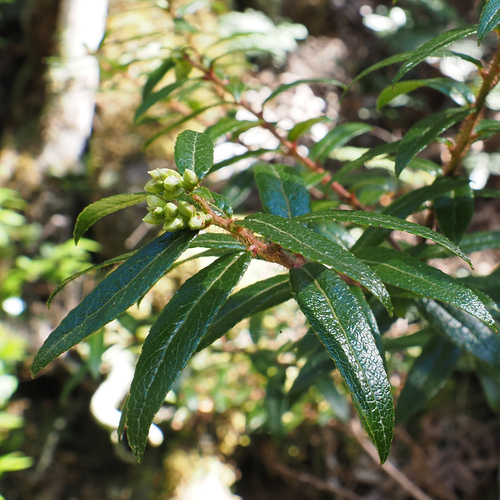 Copperleaf SnowberryGaultheria hispida
No wildlife links recorded yet
-
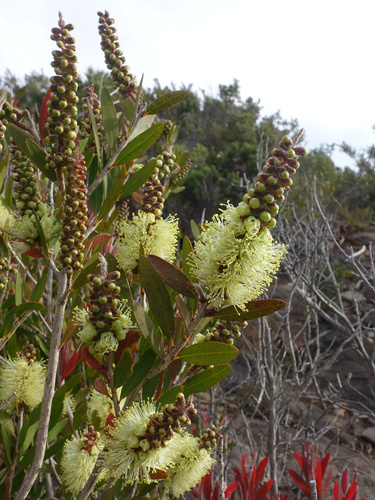 Lemon BottlebrushCallistemon pallidus
Feeds 9 kinds of wildlife
Groundcovers, grasses and strappy plants
-
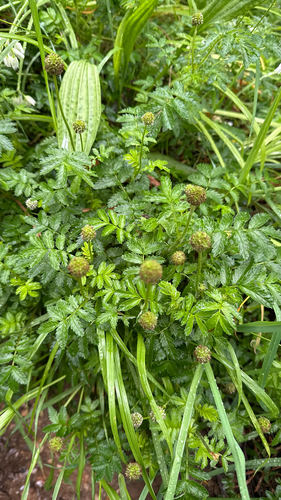 Bidgee-widgeeAcaena novae-zelandiae
Feeds 1 kind of wildlife
-
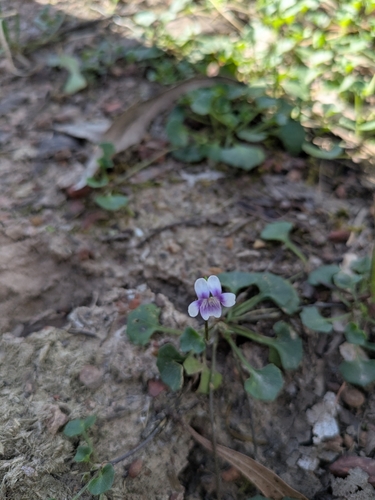 Ivy Leaved VioletViola hederacea
No wildlife links recorded yet
-
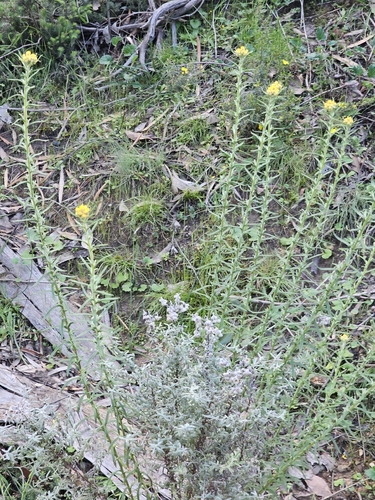 Clustered EverlastingChrysocephalum semipapposum
Feeds 1 kind of wildlife
-
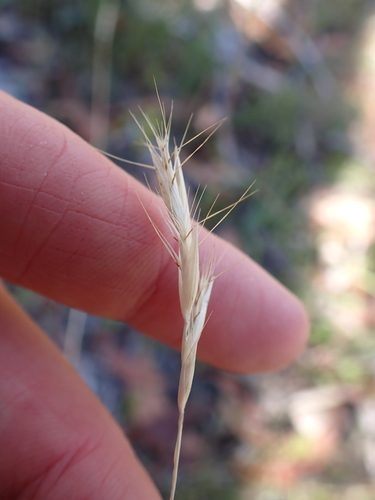 Rytidosperma pilosum
Feeds 1 kind of wildlife
-
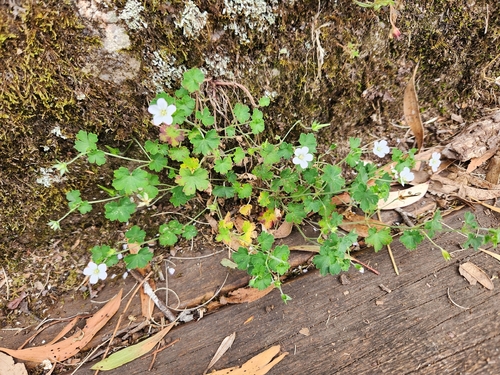 Small-leaved CranesbillGeranium potentilloides
No wildlife links recorded yet