What to plant in Ceratodus
130 native plants grow wild within 12 km of Ceratodus. Start with the garden-sized ones below: the most common locally, ranked higher when they feed more local wildlife.
Plant these first
-
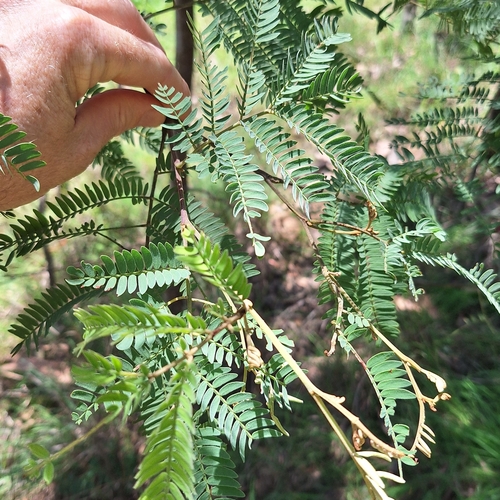 Glory WattleAcacia glaucocarpa
Feeds 1 kind of wildlife
-
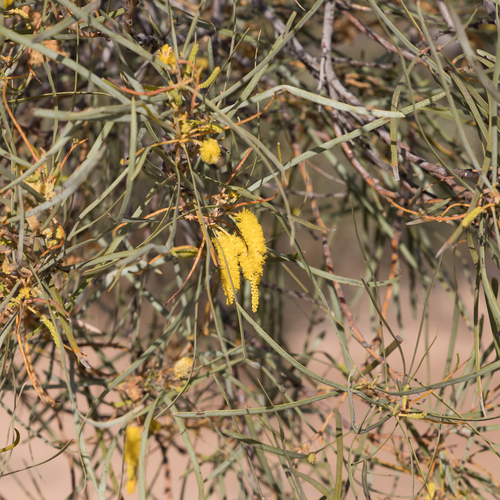
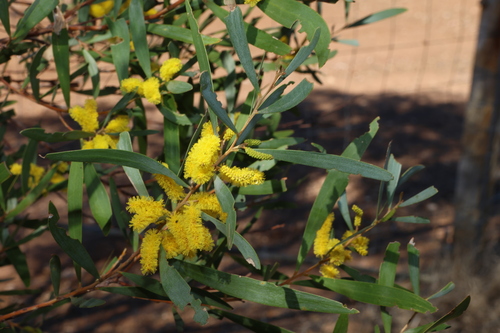 Curved-vein WattleAcacia julifera
Feeds 1 kind of wildlife
- CurracabahAcacia crassa Feeds 1 kind of wildlife
-
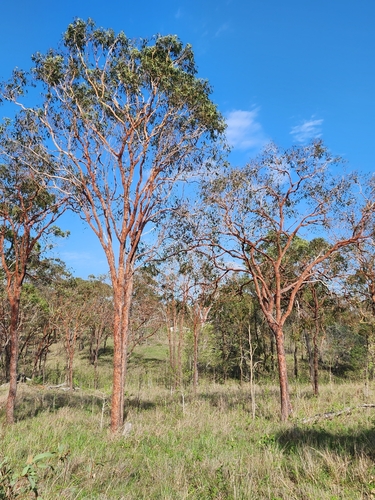 Common Red BloodwoodCorymbia erythrophloia
Feeds 9 kinds of wildlife
-
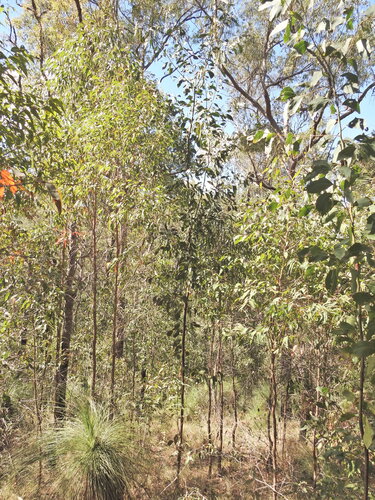 Bancroft's WattleAcacia bancroftiorum
Feeds 1 kind of wildlife
-
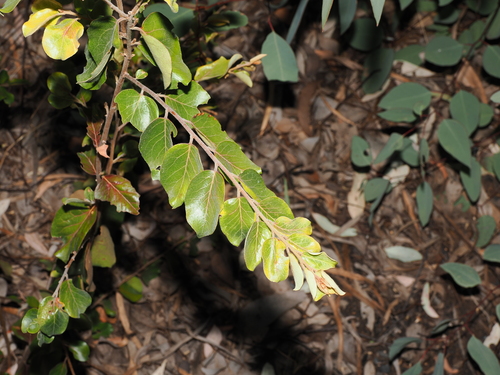 Quinine BushPetalostigma pubescens
Feeds 2 kinds of wildlife
-
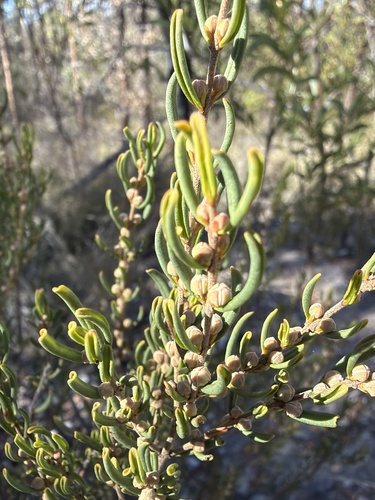 Sandstone BoroniaBoronia glabra
No wildlife links recorded yet
-
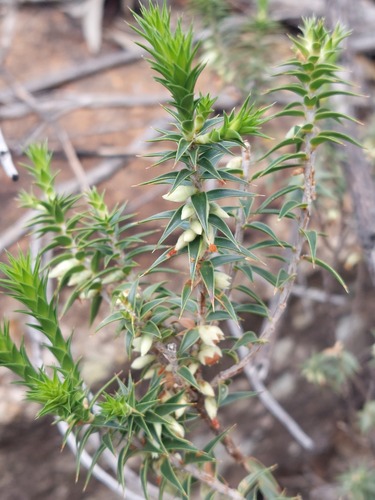 Urn HeathMelichrus urceolatus
Feeds 2 kinds of wildlife
-
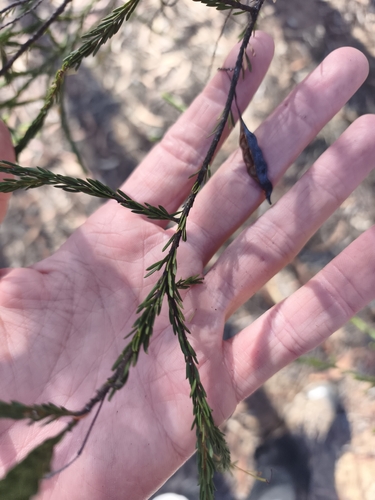 Crowded-leaf WattleAcacia conferta
Feeds 2 kinds of wildlife
-
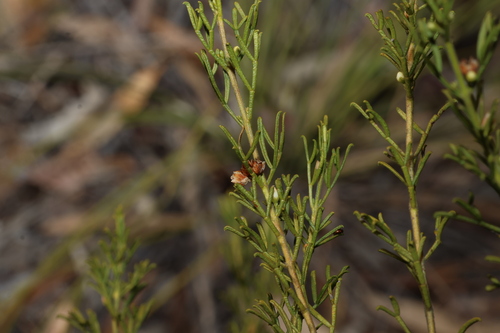 Cyanothamnus occidentalis
No wildlife links recorded yet
-
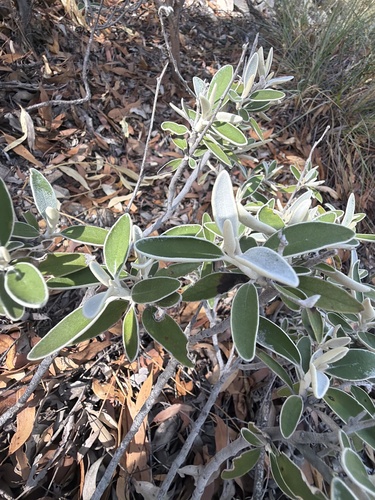 Dampiera discolor
No wildlife links recorded yet
-
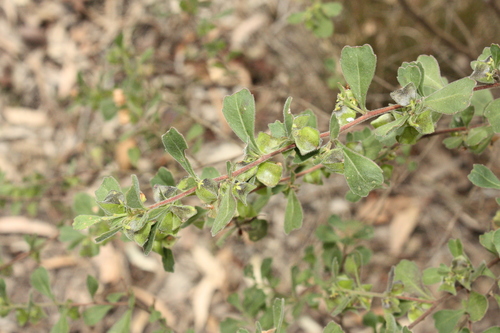 Triangle-leaved Hop BushDodonaea triangularis
No wildlife links recorded yet
For a small garden: trees up to 8 m
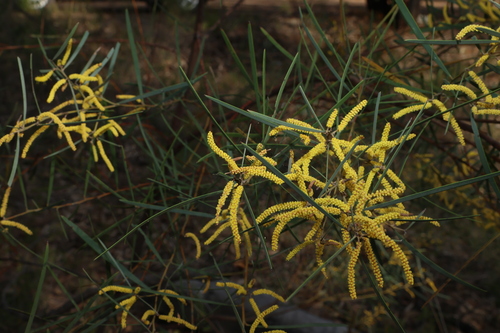
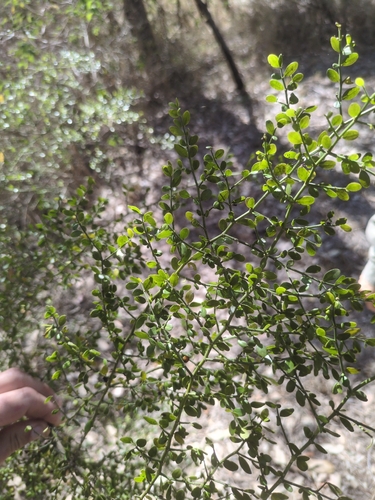
Shrubs for screening and shelter
-
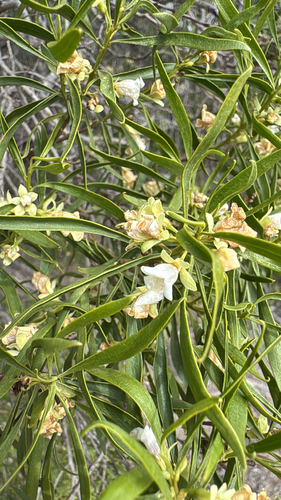 Bastard SandalwoodEremophila mitchellii
Feeds 2 kinds of wildlife
-
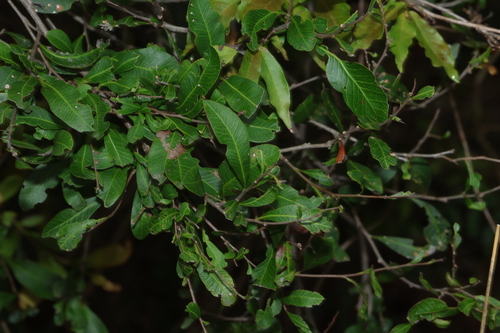 Holly BushAlectryon diversifolius
Feeds 4 kinds of wildlife
-
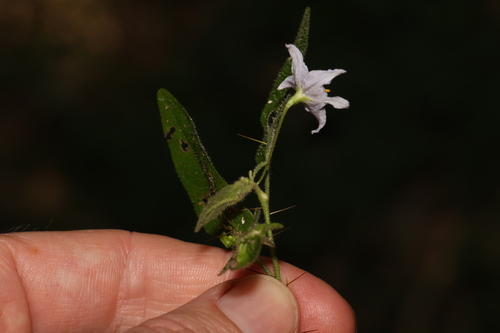 Solanum latens
No wildlife links recorded yetPricklyToxic to pets
-
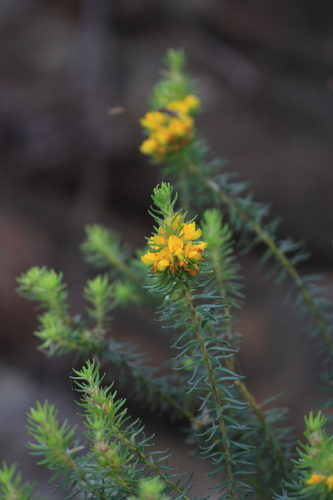 Common PhyllotaPhyllota phylicoides
Feeds 5 kinds of wildlife
-
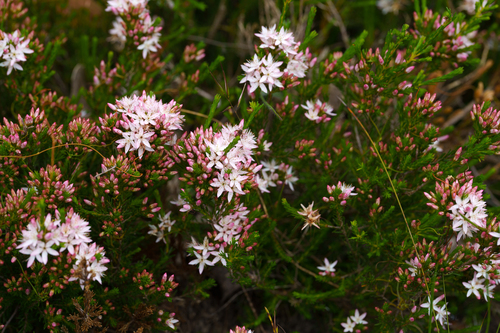 Fringe MyrtleCalytrix tetragona
Feeds 22 kinds of wildlife
Groundcovers, grasses and strappy plants
-
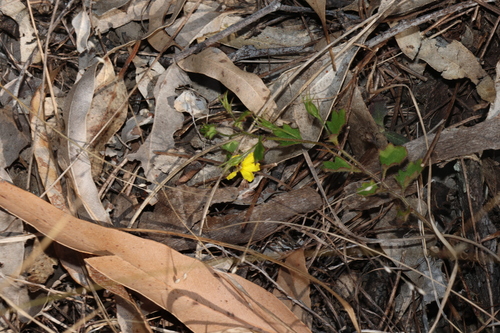 Star GoodeniaGoodenia rotundifolia
No wildlife links recorded yet
-
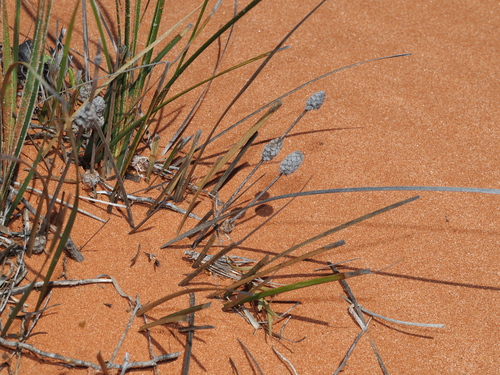 IrongrassLomandra leucocephala
No wildlife links recorded yet
-
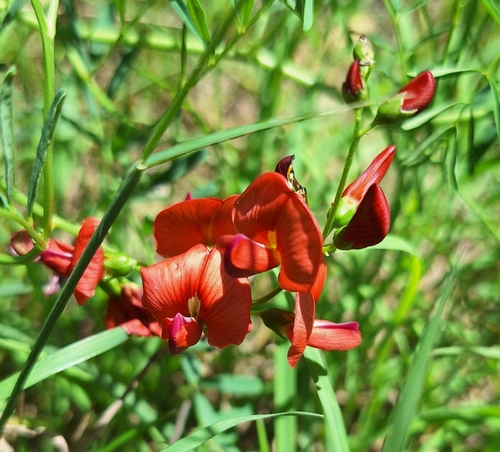 Queensland Darling PeaSwainsona queenslandica
No wildlife links recorded yetToxic to pets
-
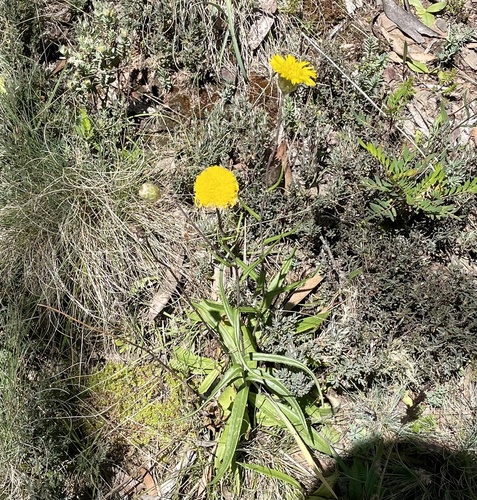 Showy Copper-wire DaisyPodolepis jaceoides
No wildlife links recorded yet
-
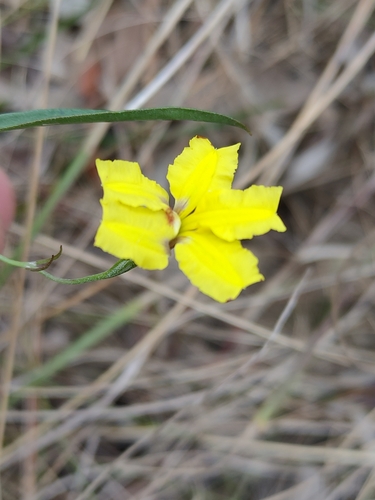 Goodenia delicata
No wildlife links recorded yet