Home Suburbs Victoria Deep Lead
What to plant in Deep Lead
Victoria, postcode 3385
245 native plants grow wild within 5 km of Deep Lead. Start with the garden-sized ones below: the most common locally, ranked higher when they feed more local wildlife.
12 threatened species recorded nearby Best picks Small trees 3 Shrubs 61 Groundcovers 115 Grasses & strappy 53 Climbers 2 Ferns 3 Large trees 8 All 245 Share this list
Plant these first
Golden Wattle Acacia pycnantha Small tree, about 8 m
Feeds 43 kinds of wildlife
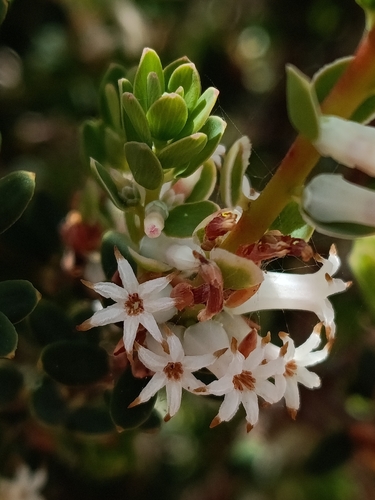
Fringe Myrtle Calytrix tetragona Shrub, about 2 m
Feeds 22 kinds of wildlife
Mountain Grevillea Grevillea alpina Shrub, about 2 m
Feeds 13 kinds of wildlife
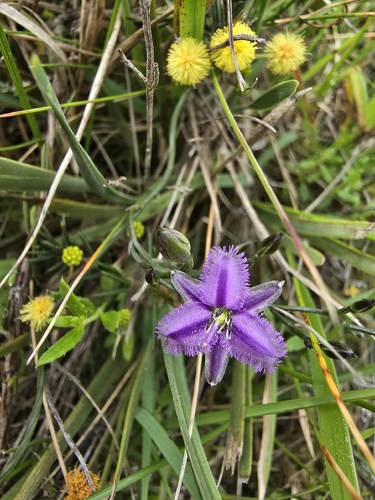
Blueberry Lily Dianella revoluta Grass or strappy plant, about 0.9 m
Feeds 1 kind of wildlife
Early Wattle Acacia genistifolia Shrub, about 3 m
Feeds 2 kinds of wildlife
Common Everlasting Chrysocephalum apiculatum Groundcover, about 0.6 m
Feeds 3 kinds of wildlife
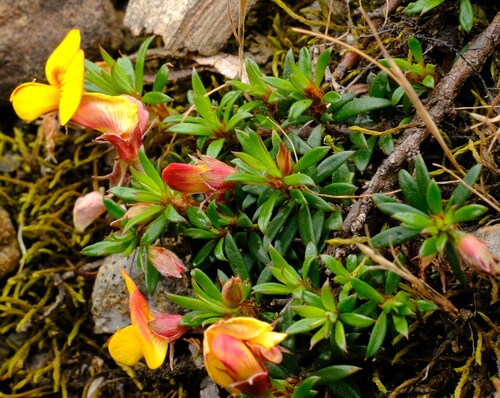
Common Eutaxia Eutaxia microphylla Shrub, about 1 m
Feeds 2 kinds of wildlife
Round-leaved Wattle Acacia acinacea Shrub, about 2.5 m
Feeds 5 kinds of wildlife
Australian Blackthorn Bursaria spinosa Shrub, about 3 m
Feeds 54 kinds of wildlife Prickly
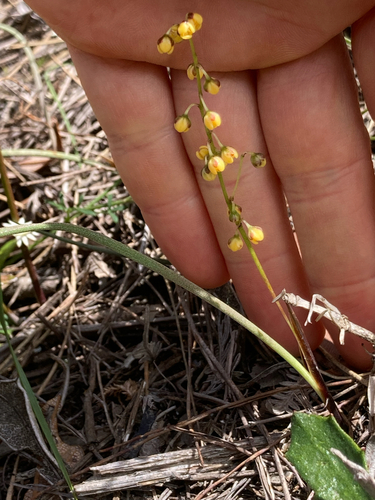
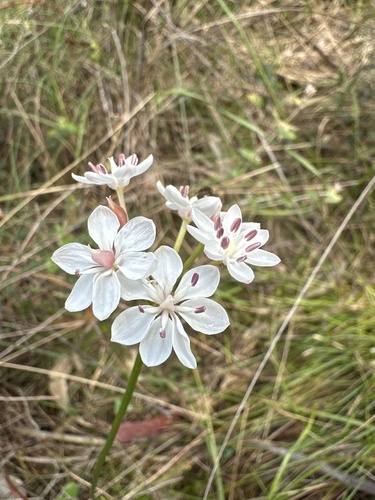
Chocolate Lily Arthropodium strictum Grass or strappy plant, about 1 m
No wildlife links recorded yet
Holly Grevillea Grevillea aquifolium Shrub, about 1.5 m
Feeds 12 kinds of wildlife
Kangaroo Thorn Acacia paradoxa Shrub, about 4 m
Feeds 3 kinds of wildlife Prickly
Threatened wildlife you can plant for None of the threatened species recorded nearby has a known garden food plant here.
12 more threatened species recorded nearby (no garden food plants known) Protecting the bush, wetlands and coast near you is the best help for these.
Wildlife these plants feed Number of the top 100 plants here that feed each group: birds (13), butterflies (26), bees (13), mammals (6), reptiles (1).
How this list is made Plants recorded growing wild within 5 km of Deep Lead on GBIF and the Atlas of Living Australia (3,827 records). A plant counts only if it is native to Victoria (Alien Flora of Australia and the Australian Plant Census) and herbarium specimens show it grows wild in this bioregion (Victorian Midlands), so street trees and garden plants from elsewhere drop out. Records from botanic gardens, zoos and museums are left out, and so are declared weeds. Plants on an official environmental weed list stay in the full list with a note but are never a pick. Water, saltmarsh and tiny or short-lived plants are in the full list only. Sources
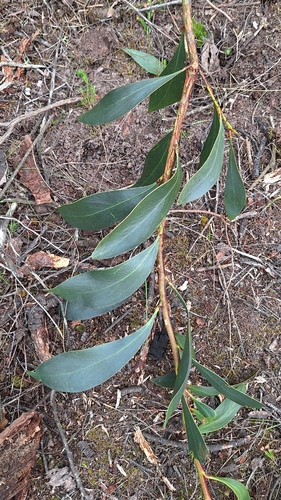 Golden WattleAcacia pycnantha
Feeds 43 kinds of wildlife
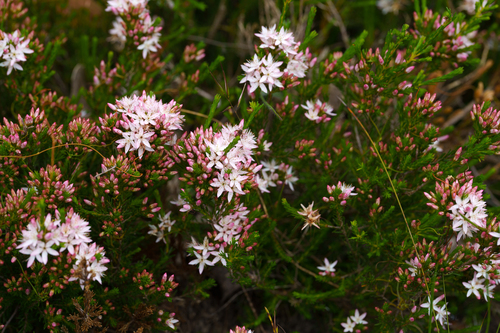 Fringe MyrtleCalytrix tetragona
Feeds 22 kinds of wildlife
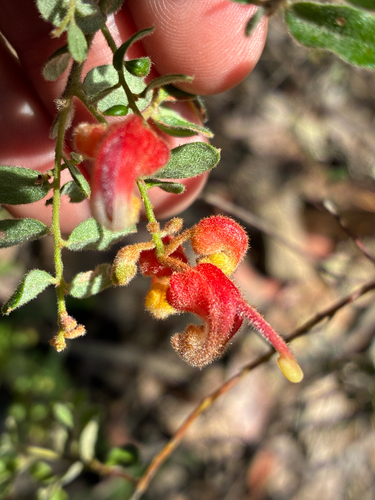 Mountain GrevilleaGrevillea alpina
Feeds 13 kinds of wildlife
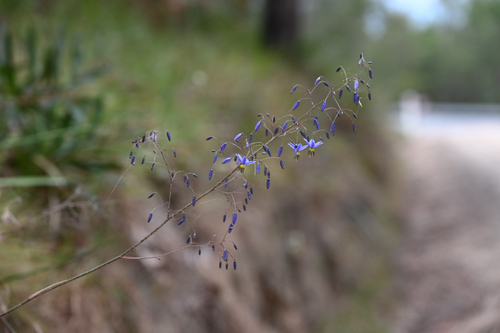 Blueberry LilyDianella revoluta
Feeds 1 kind of wildlife
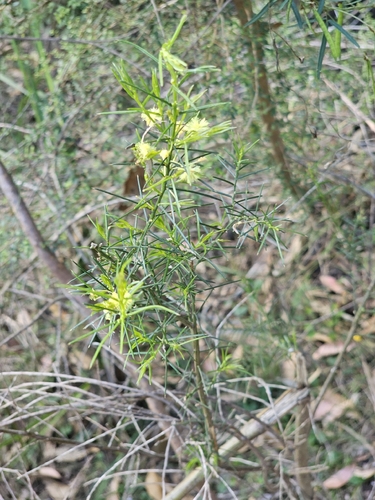 Early WattleAcacia genistifolia
Feeds 2 kinds of wildlife
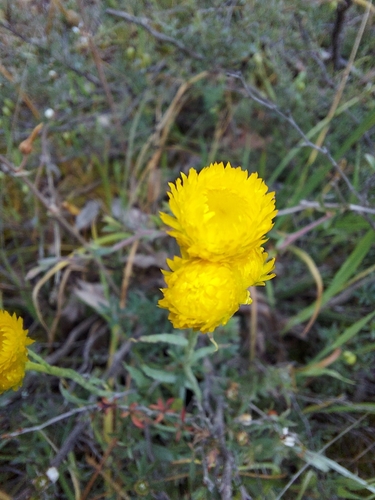 Common EverlastingChrysocephalum apiculatum
Feeds 3 kinds of wildlife
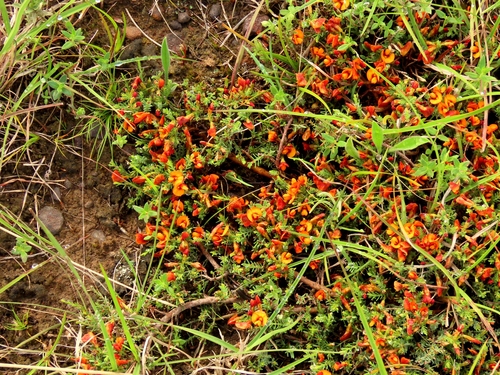 Common EutaxiaEutaxia microphylla
Feeds 2 kinds of wildlife
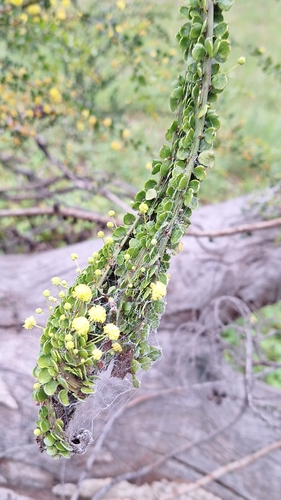 Round-leaved WattleAcacia acinacea
Feeds 5 kinds of wildlife
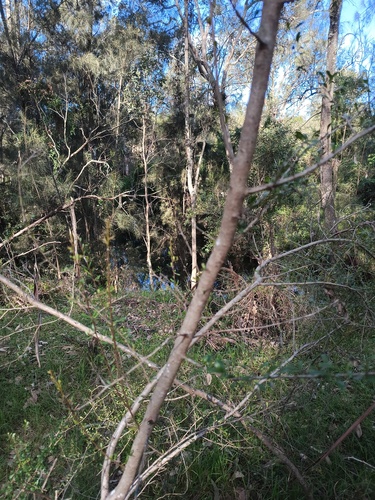 Australian BlackthornBursaria spinosa
Feeds 54 kinds of wildlifePrickly
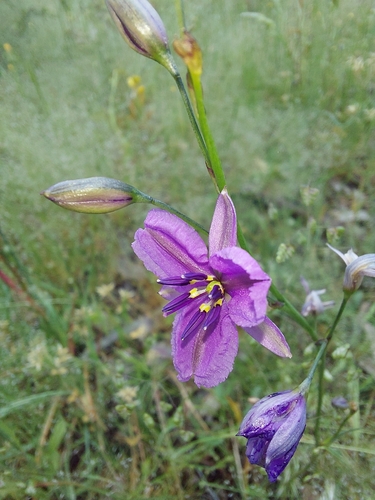 Chocolate LilyArthropodium strictum
No wildlife links recorded yet
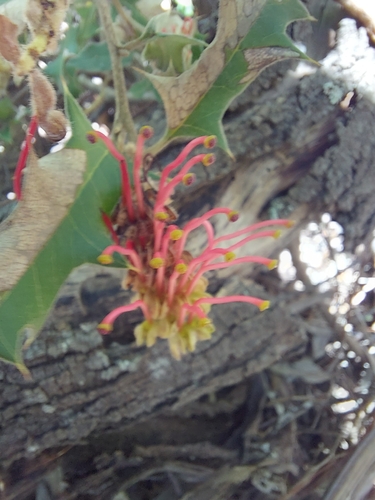 Holly GrevilleaGrevillea aquifolium
Feeds 12 kinds of wildlife
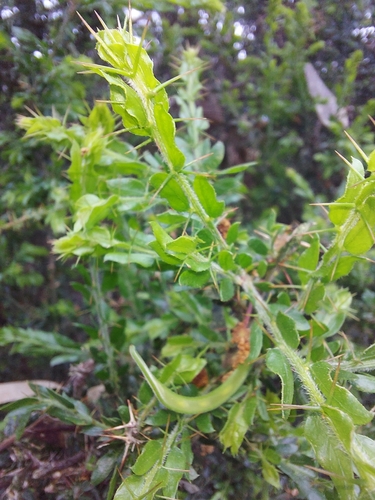 Kangaroo ThornAcacia paradoxa
Feeds 3 kinds of wildlifePrickly