What to plant in Harolds Cross
228 native plants grow wild within 5 km of Harolds Cross. Start with the garden-sized ones below: the most common locally, ranked higher when they feed more local wildlife.
6 threatened species recorded nearbyPlant these first
-
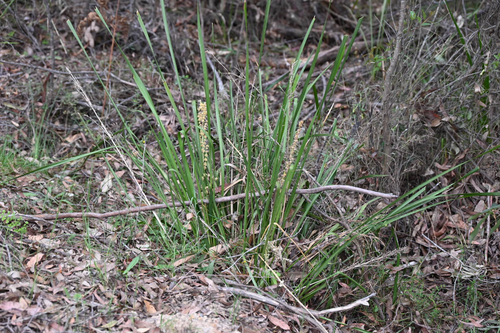 Spiny-headed Mat-rushLomandra longifolia
Feeds 9 kinds of wildlife
-
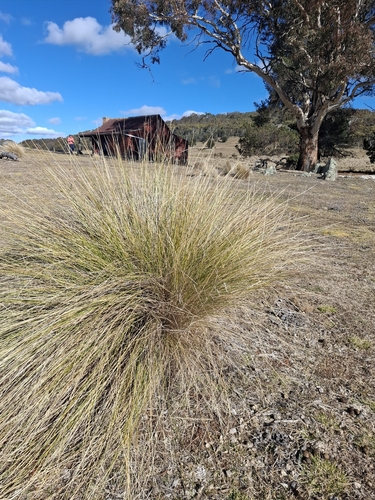 River Tussock GrassPoa labillardierei
Feeds 1 kind of wildlife
-
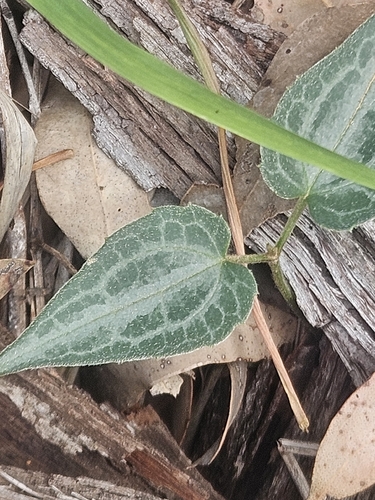
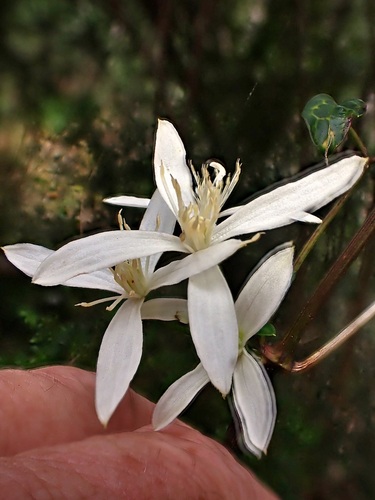 Australian ClematisClematis aristata
No wildlife links recorded yet
-
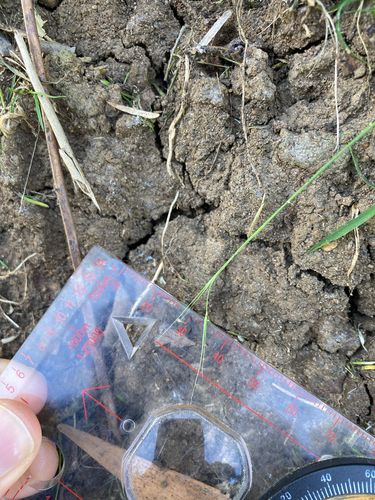 Weeping-grassMicrolaena stipoides
Feeds 6 kinds of wildlife
-
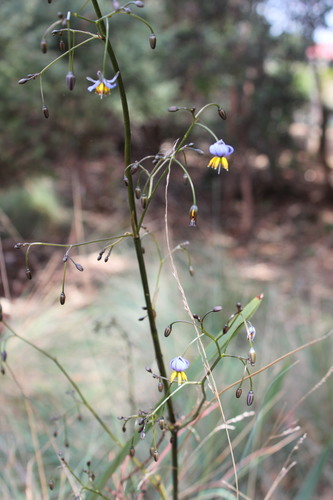 Tasmanian Flax-lilyDianella tasmanica
Feeds 1 kind of wildlife
-
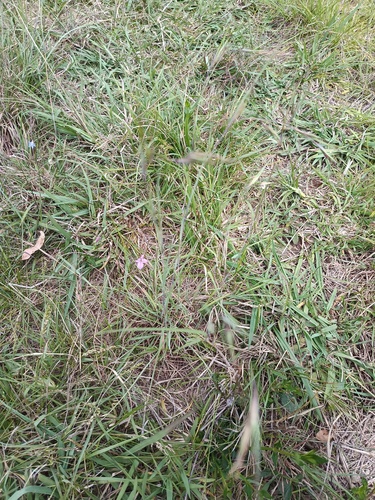 Kangaroo GrassThemeda triandra
Feeds 10 kinds of wildlife
-
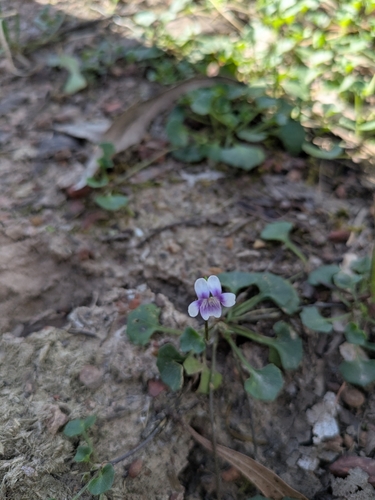 Ivy Leaved VioletViola hederacea
No wildlife links recorded yet
-
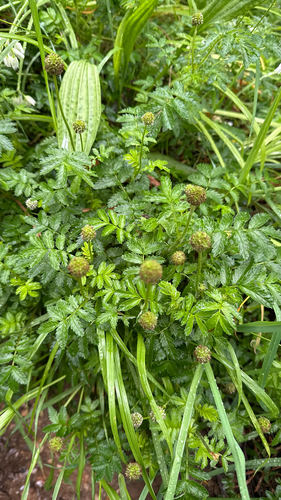 Bidgee-widgeeAcaena novae-zelandiae
Feeds 1 kind of wildlife
-
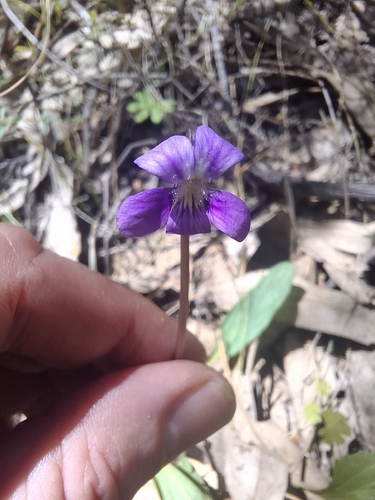 Native VioletViola betonicifolia
No wildlife links recorded yet
-
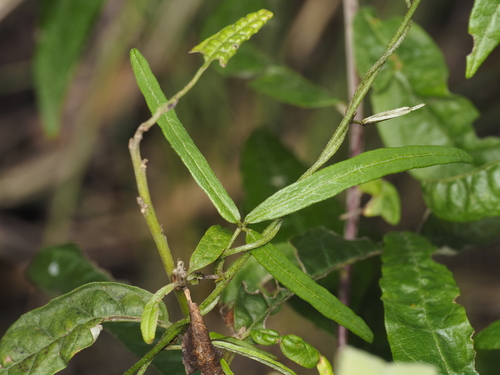 Twining GlycineGlycine clandestina
Feeds 1 kind of wildlife
-
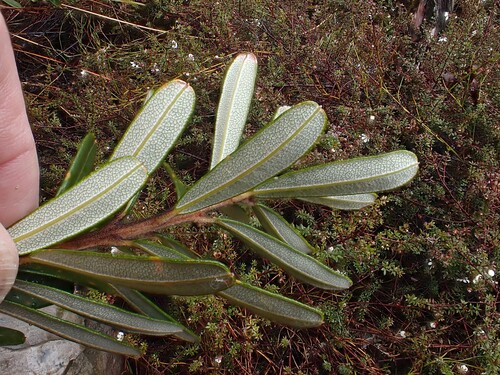 Silver BanksiaBanksia marginata
Feeds 8 kinds of wildlife
-
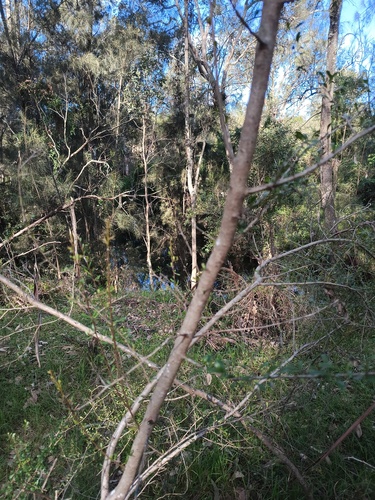 Australian BlackthornBursaria spinosa
Feeds 54 kinds of wildlifePrickly
For a small garden: trees up to 8 m
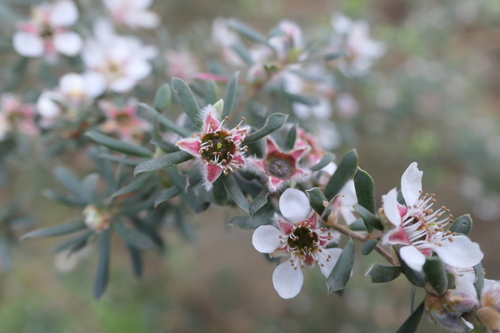
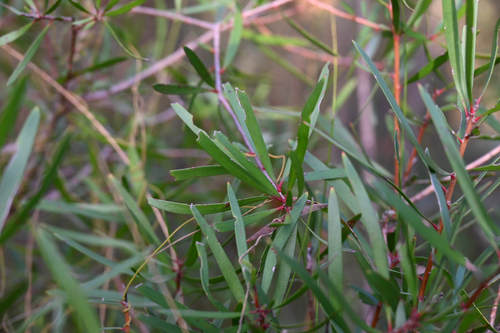
Shrubs for screening and shelter
-
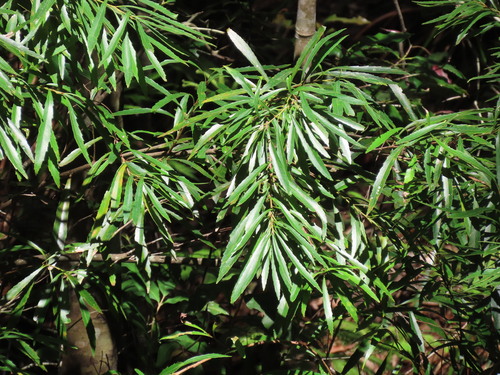 River LomatiaLomatia myricoides
No wildlife links recorded yet
-
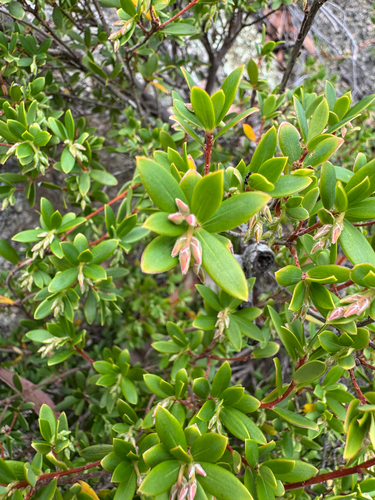 Drooping Beard-heathLeucopogon gelidus
No wildlife links recorded yet
-
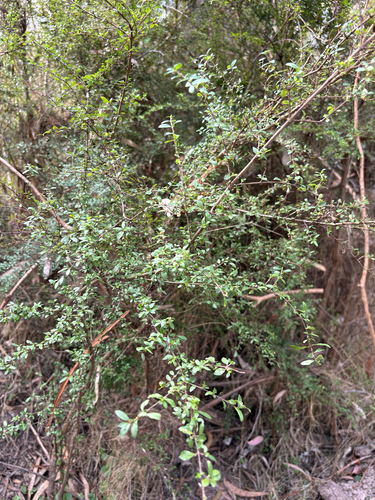 Prickly Currant-BushCoprosma quadrifida
Food for the Gang-gang CockatooFeeds 3 kinds of wildlife
-
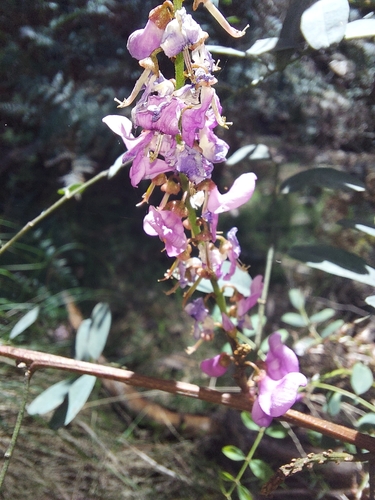 Australian IndigoIndigofera australis
Feeds 8 kinds of wildlife
-
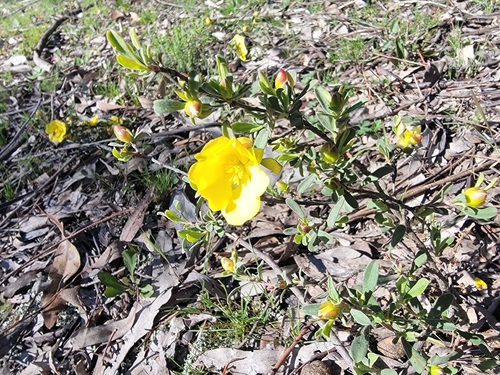 Grey Guinea FlowerHibbertia obtusifolia
Feeds 1 kind of wildlife
Groundcovers, grasses and strappy plants
-
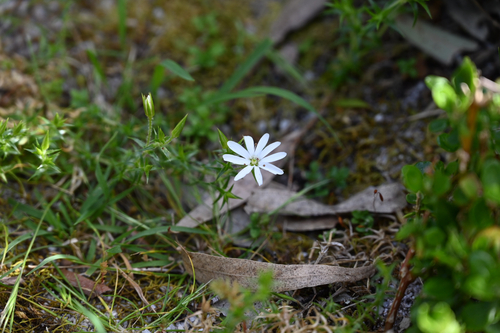 Prickly StarwortStellaria pungens
No wildlife links recorded yet
-
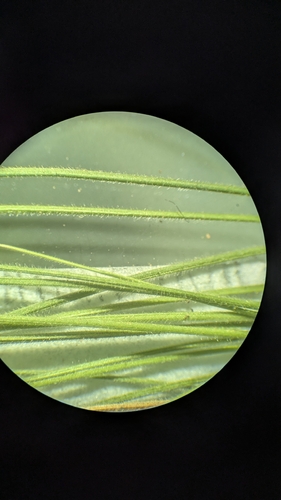 Snow GrassPoa sieberiana
Feeds 2 kinds of wildlife
-
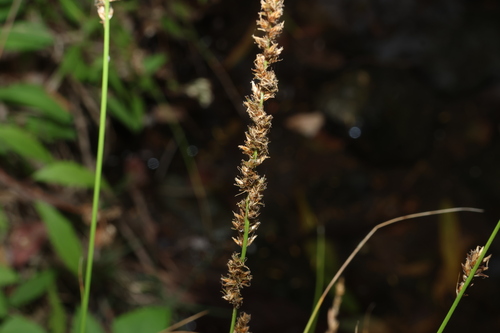 Greater Tussock-sedgeCarex appressa
Feeds 6 kinds of wildlife
-
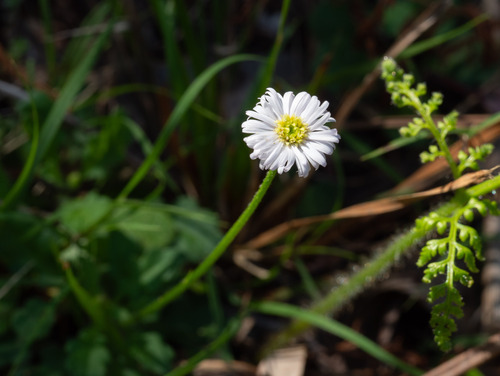 Blue Bottle-daisyLagenophora stipitata
No wildlife links recorded yet
-
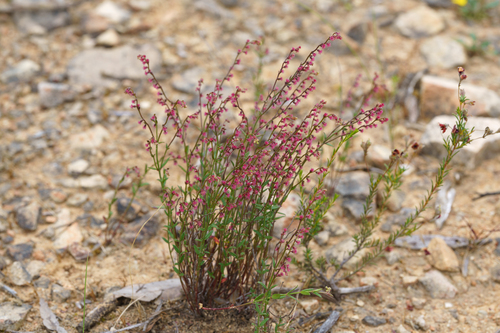 Common RaspwortGonocarpus tetragynus
No wildlife links recorded yet