What to plant in Jones Island
180 native plants grow wild within 5 km of Jones Island. Start with the garden-sized ones below: the most common locally, ranked higher when they feed more local wildlife.
24 threatened species recorded nearbyPlant these first
-
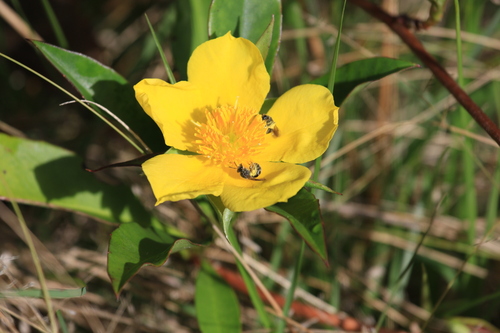 Climbing Guinea FlowerHibbertia scandens
Food for the Wompoo Fruit-DoveFeeds 14 kinds of wildlife
-
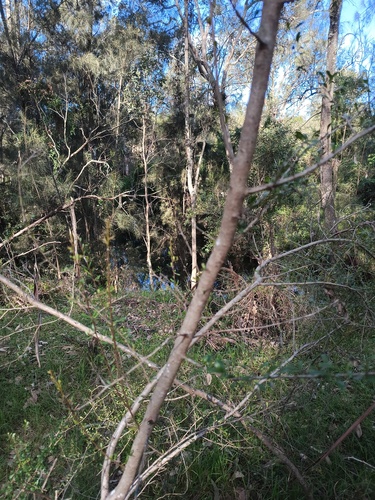 Australian BlackthornBursaria spinosa
Feeds 54 kinds of wildlifePrickly
-
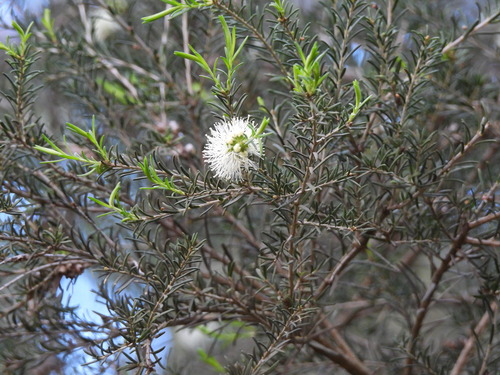 Swamp PaperbarkMelaleuca ericifolia
Food for the Grey-headed Flying-foxFeeds 11 kinds of wildlife
-
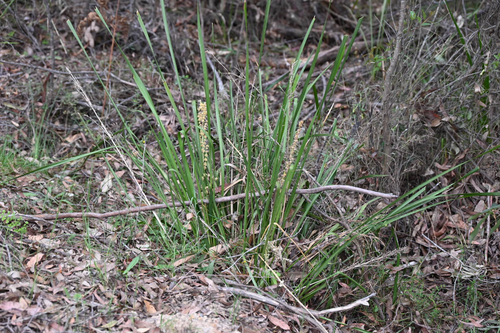 Spiny-headed Mat-rushLomandra longifolia
Feeds 9 kinds of wildlife
-
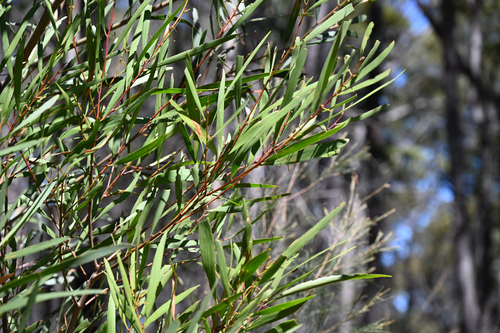 Longleaf WattleAcacia longifolia
Feeds 50 kinds of wildlife
-
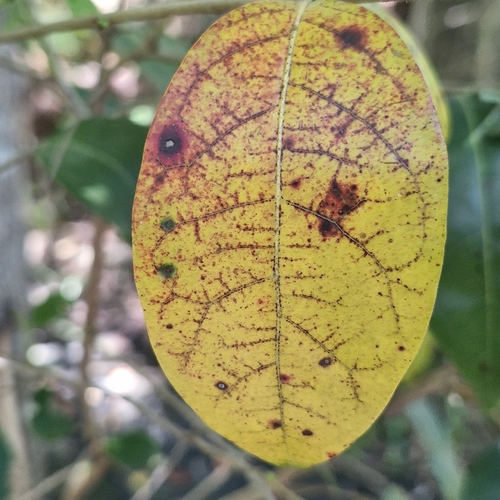 Cheese TreeGlochidion ferdinandi
Feeds 6 kinds of wildlife
-
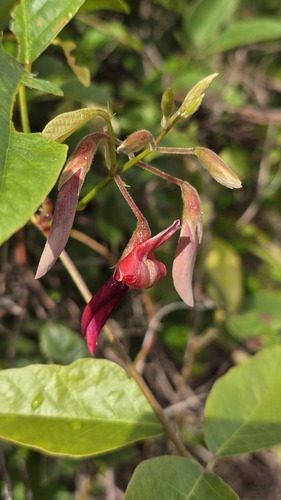 Dusky Coral PeaKennedia rubicunda
Feeds 2 kinds of wildlife
-
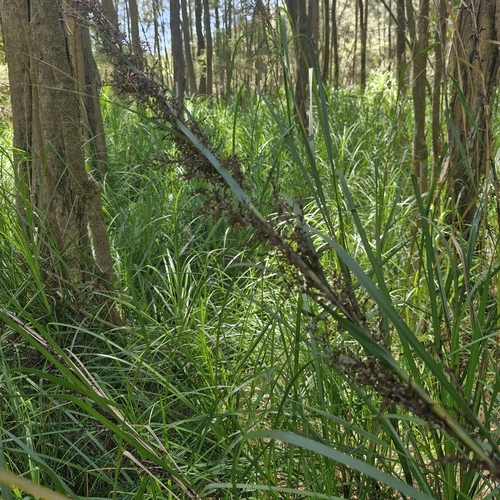 Tall Saw-sedgeGahnia clarkei
Feeds 8 kinds of wildlife
-
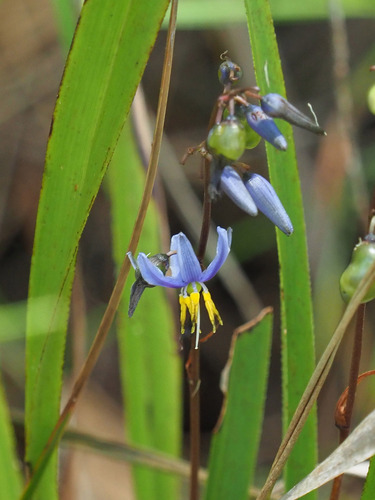 Blue Flax-lilyDianella caerulea
Feeds 8 kinds of wildlife
-
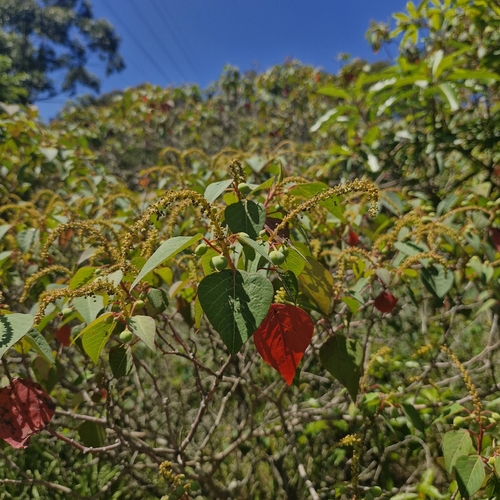 Bleeding HeartHomalanthus populifolius
Food for the Wompoo Fruit-DoveFeeds 11 kinds of wildlife
-
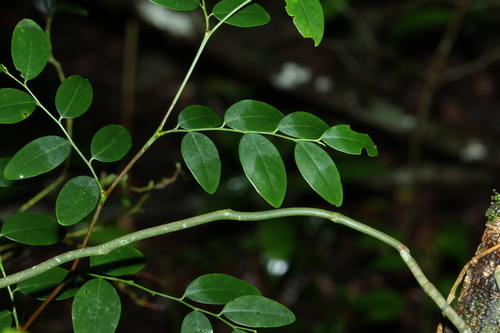 Coffee BushBreynia oblongifolia
Feeds 9 kinds of wildlife
-
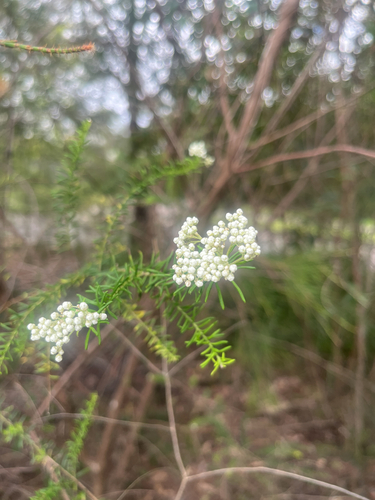 White DogwoodOzothamnus diosmifolius
No wildlife links recorded yet
For a small garden: trees up to 8 m
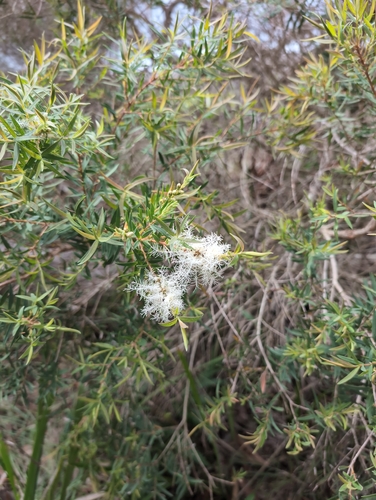
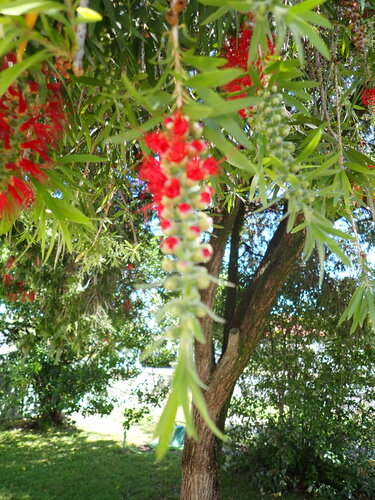
Shrubs for screening and shelter
-
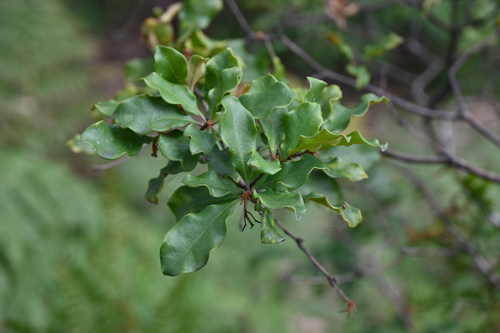 Rough-fruited PittosporumPittosporum revolutum
Feeds 1 kind of wildlife
-
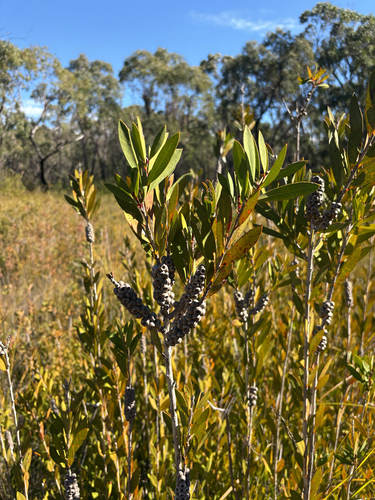 Crimson BottlebrushCallistemon citrinus
Feeds 20 kinds of wildlife
-
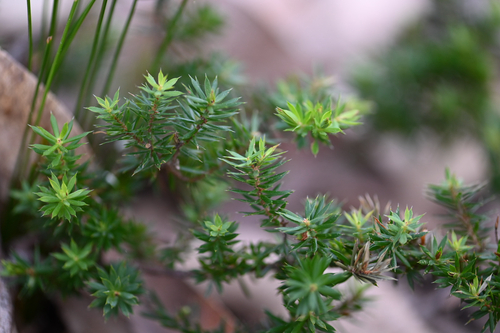 Prickly Beard-heathStyphelia sieberi
No wildlife links recorded yet
-
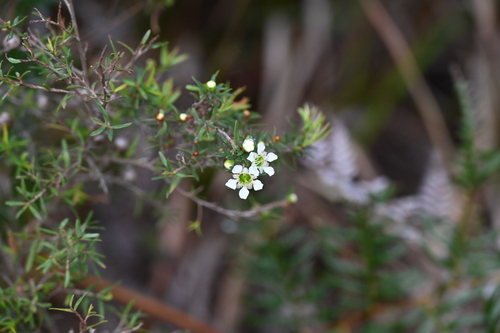 Tea TreeLeptospermum polygalifolium
Feeds 33 kinds of wildlife
-
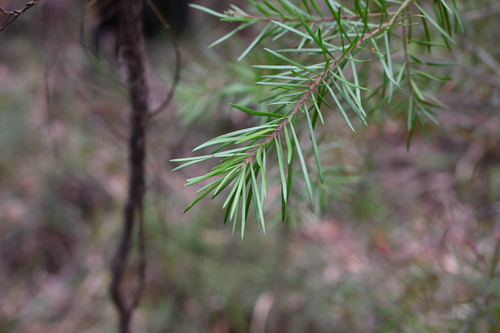 Narrow-leaf GeebungPersoonia linearis
No wildlife links recorded yet
Groundcovers, grasses and strappy plants
-
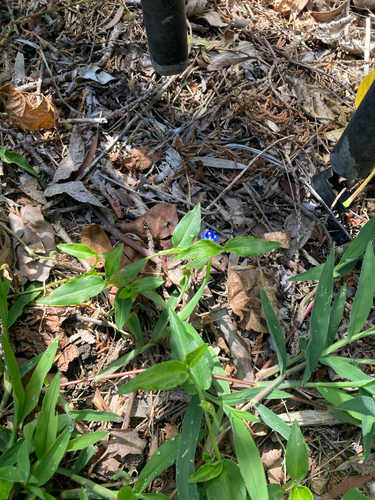 Scurvy WeedCommelina cyanea
No wildlife links recorded yet
-
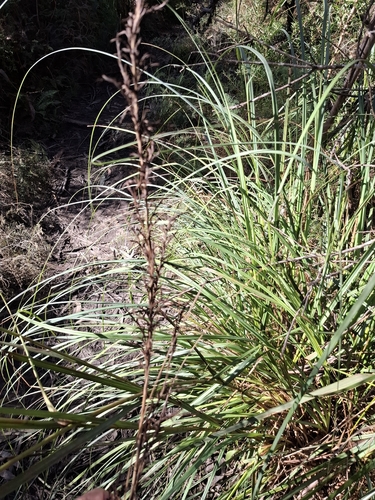 Red-fruit Saw-sedgeGahnia sieberiana
Feeds 10 kinds of wildlife
-
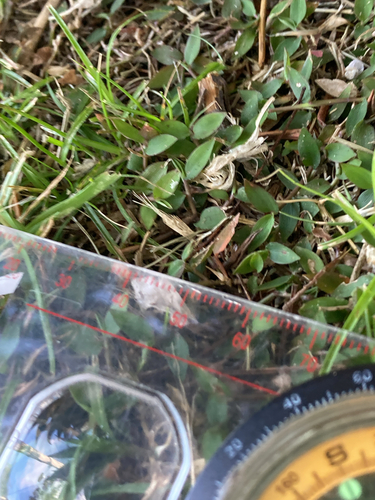 Basket GrassOplismenus hirtellus
Feeds 2 kinds of wildlife
-
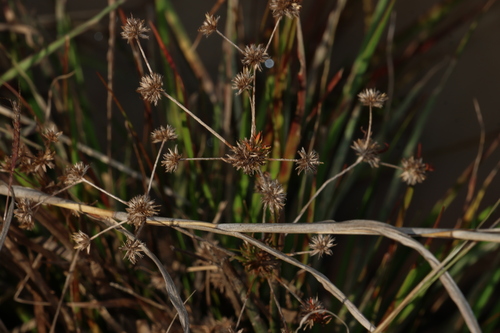 Branching RushJuncus prismatocarpus
No wildlife links recorded yet
-
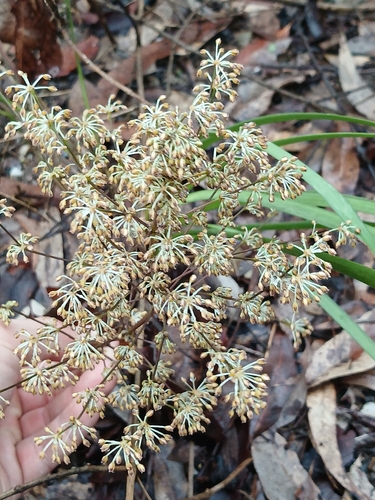 Many Flowered MatrushLomandra multiflora
Feeds 5 kinds of wildlife
Climbers
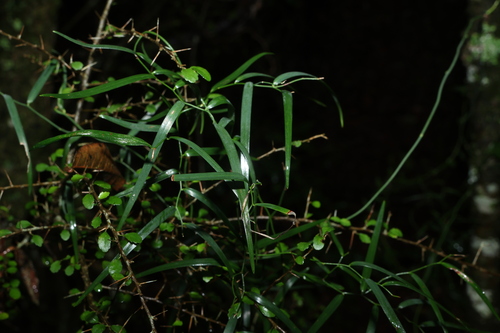
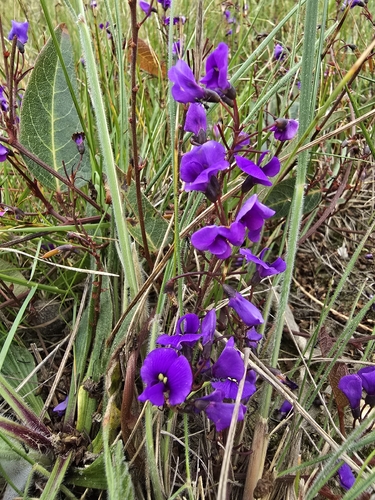
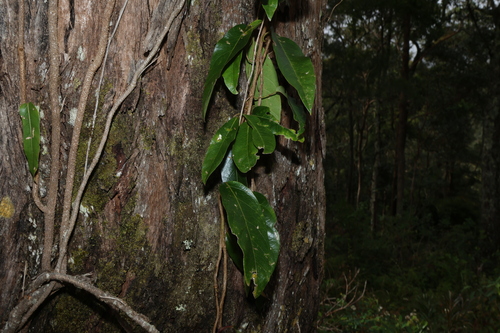
Large trees, if you have room
-
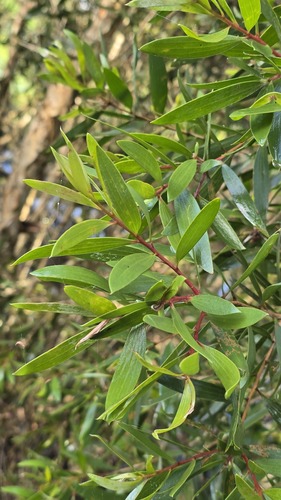 Broad-leaved PaperbarkMelaleuca quinquenervia
Food for the Grey-headed Flying-foxFeeds 90 kinds of wildlife
-
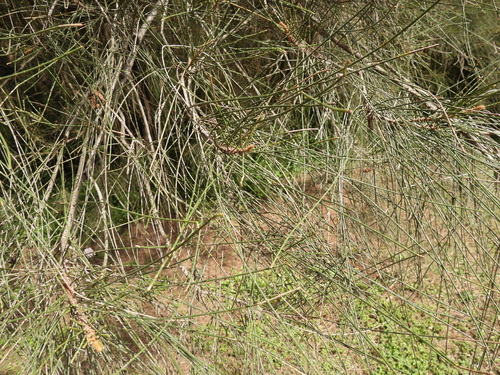 Swamp OakCasuarina glauca
Feeds 5 kinds of wildlife
-
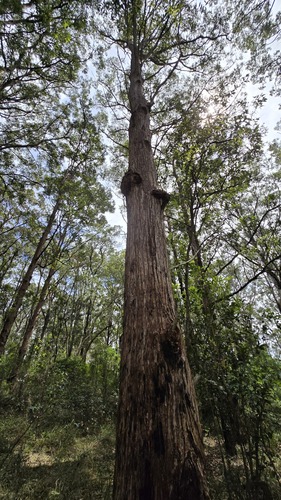 TallowwoodEucalyptus microcorys
Food for the Little LorikeetFeeds 21 kinds of wildlife
-
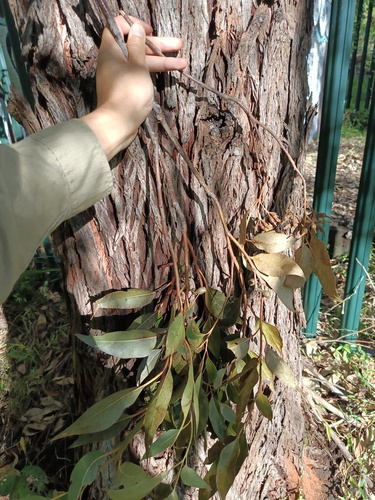 Swamp MahoganyEucalyptus robusta
Food for the Little LorikeetFeeds 22 kinds of wildlife