What to plant in Lymington
121 native plants grow wild within 5 km of Lymington. Start with the garden-sized ones below: the most common locally, ranked higher when they feed more local wildlife.
2 threatened species recorded nearbyPlant these first
-
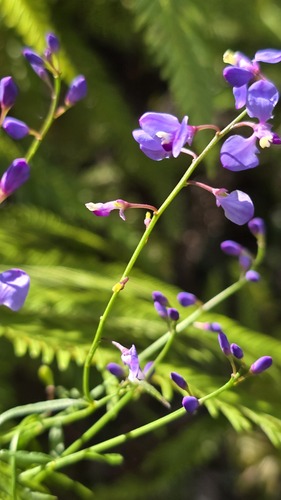
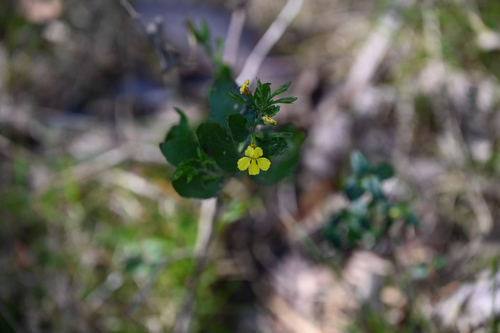 Hop GoodeniaGoodenia ovata
Feeds 9 kinds of wildlife
-
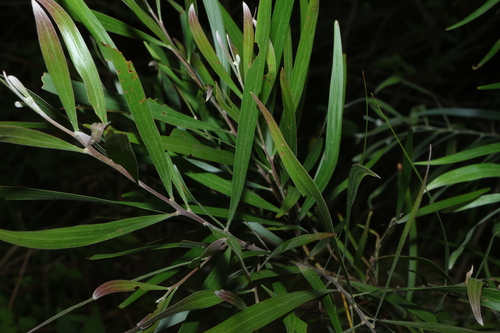
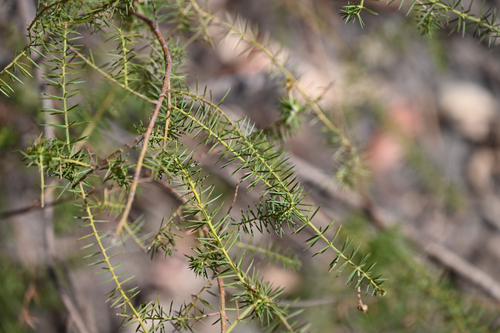 Prickly MosesAcacia verticillata
Feeds 4 kinds of wildlifePrickly
-
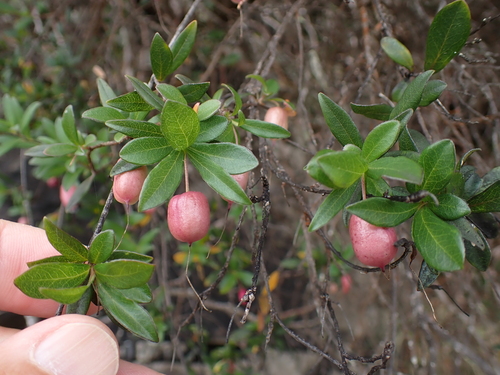
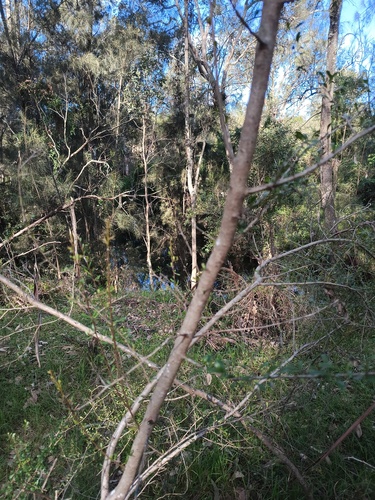 Australian BlackthornBursaria spinosa
Feeds 54 kinds of wildlifePrickly
-
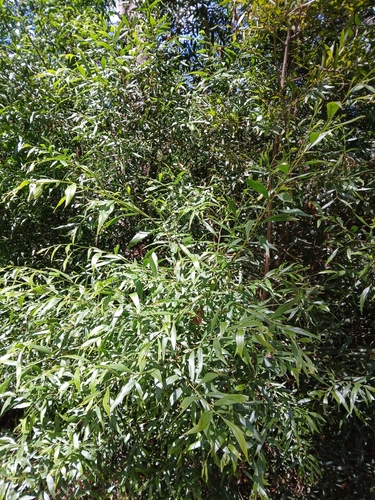 Cinnamon WattleAcacia leprosa
Feeds 1 kind of wildlife
-
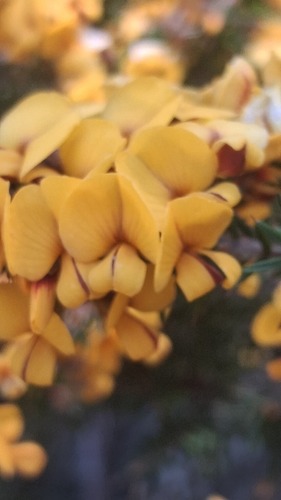 Prickly BeautyPultenaea juniperina
Feeds 1 kind of wildlife
-
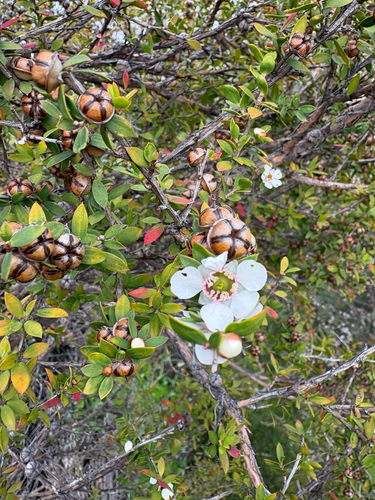 ManukaLeptospermum scoparium
Feeds 28 kinds of wildlife
-
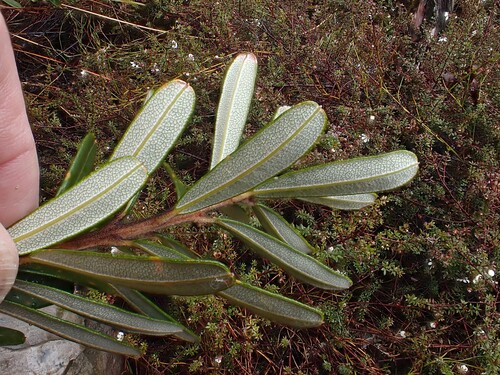 Silver BanksiaBanksia marginata
Feeds 8 kinds of wildlife
-
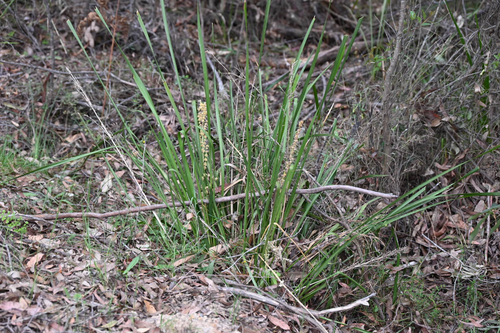 Spiny-headed Mat-rushLomandra longifolia
Feeds 9 kinds of wildlife
-
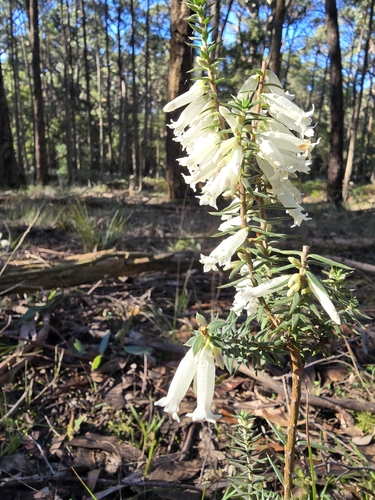 Common HeathEpacris impressa
Feeds 1 kind of wildlife
-
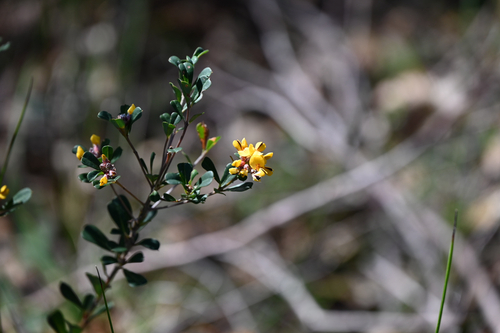 Large-leaf Bush PeaPultenaea daphnoides
Feeds 3 kinds of wildlife
-
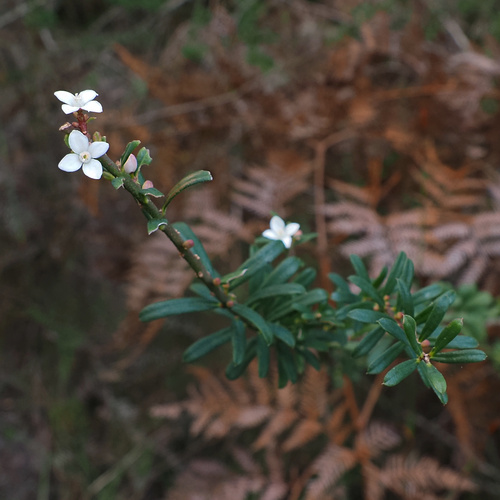 Tasmanian WaxflowerPhilotheca virgata
No wildlife links recorded yet
-
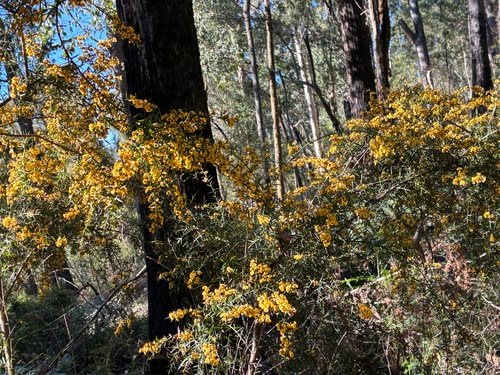 Gorse Bitter PeaDaviesia ulicifolia
Feeds 4 kinds of wildlifePrickly
For a small garden: trees up to 8 m
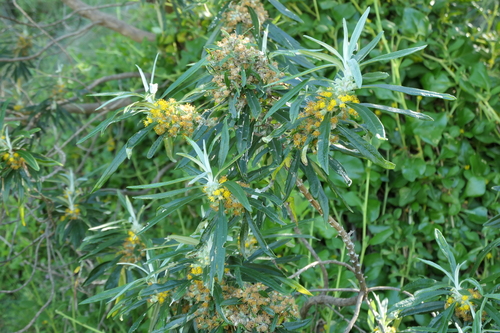
Shrubs for screening and shelter
-
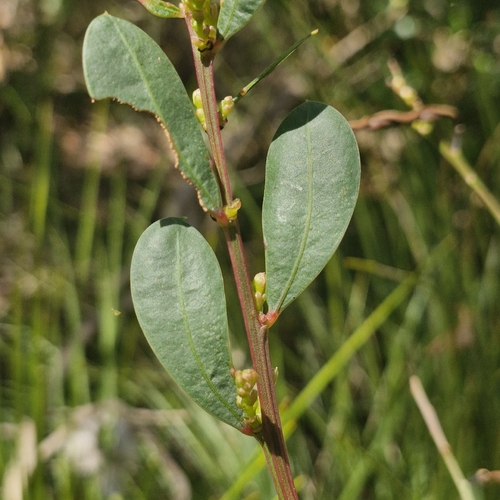 Myrtle WattleAcacia myrtifolia
Feeds 5 kinds of wildlife
-
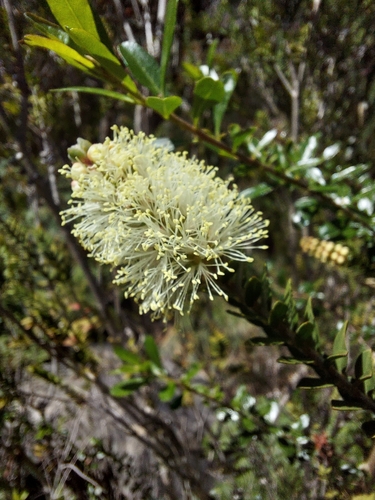 Scented PaperbarkMelaleuca squarrosa
Feeds 9 kinds of wildlife
-
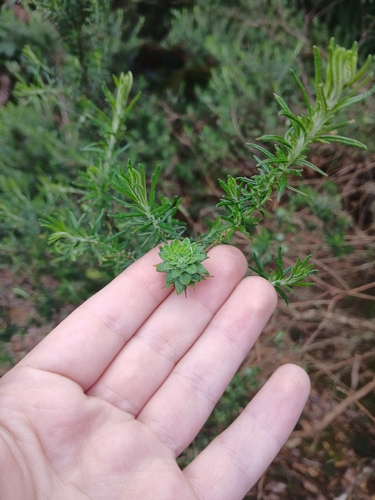 Dolly BushCassinia aculeata
Feeds 8 kinds of wildlife
-
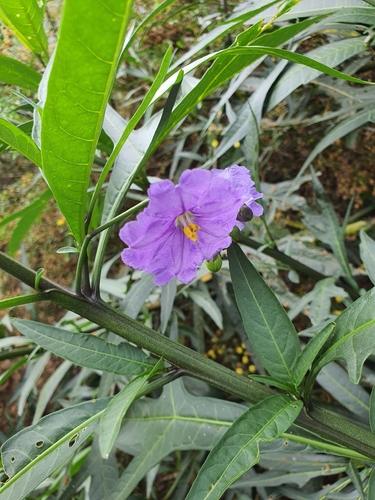 Kangaroo-appleSolanum laciniatum
Feeds 9 kinds of wildlifePricklyToxic to pets
-
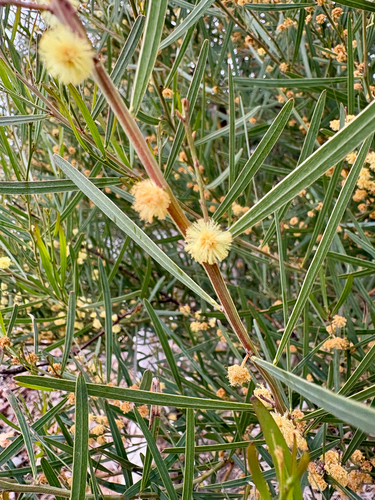 Hop WattleAcacia stricta
Feeds 3 kinds of wildlife
Groundcovers, grasses and strappy plants
-
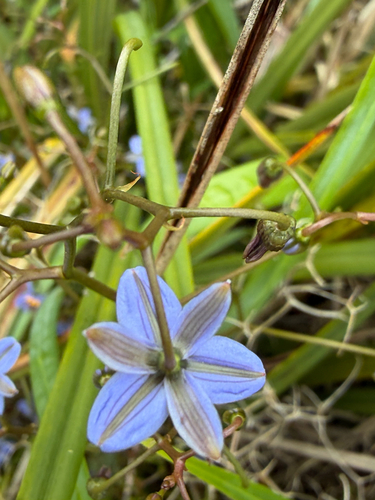 Coast Flax-LilyDianella brevicaulis
No wildlife links recorded yet
-
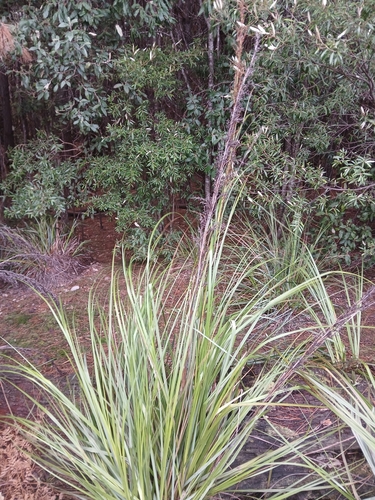 Cutting GrassGahnia grandis
Feeds 7 kinds of wildlife
-
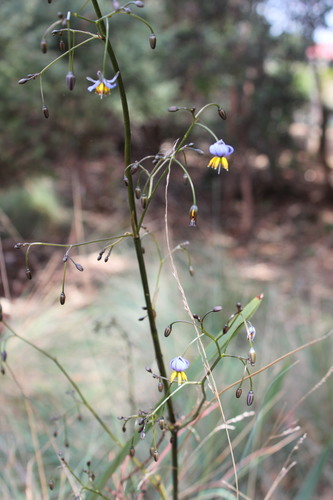 Tasmanian Flax-lilyDianella tasmanica
Feeds 1 kind of wildlife
-
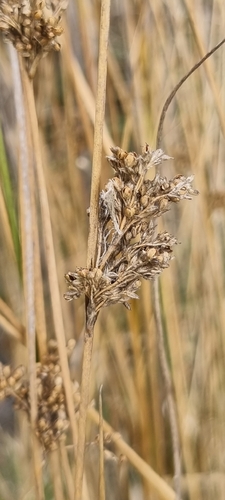 Broom RushJuncus sarophorus
No wildlife links recorded yet
-
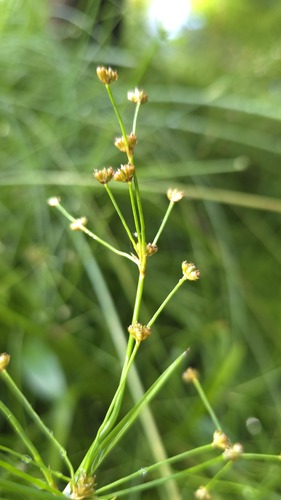 Flat-leaved RushJuncus planifolius
No wildlife links recorded yet