What to plant in Lyndhurst
116 native plants grow wild within 17 km of Lyndhurst. Start with the garden-sized ones below: the most common locally, ranked higher when they feed more local wildlife.
2 threatened species recorded nearbyPlant these first
-
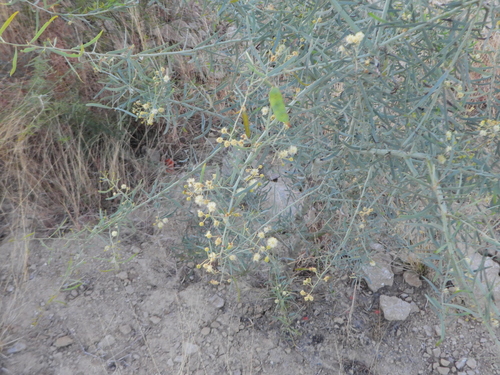 GundabluieAcacia victoriae
Feeds 9 kinds of wildlifePrickly
-
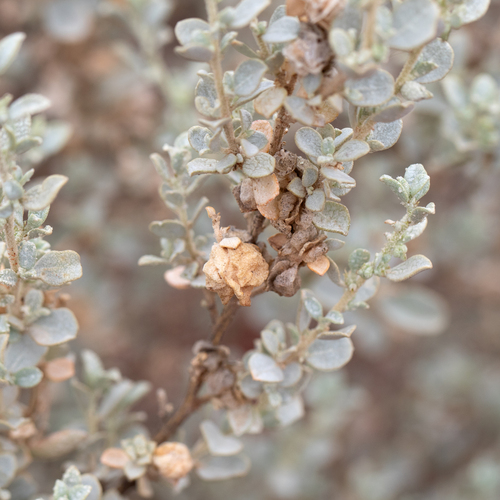 Bladder SaltbushAtriplex vesicaria
Feeds 1 kind of wildlife
-
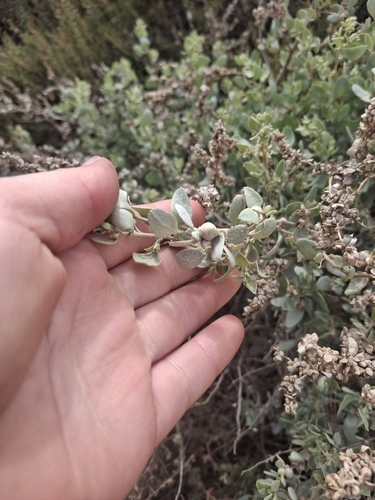 Old Man SaltbushAtriplex nummularia
Feeds 3 kinds of wildlife
-
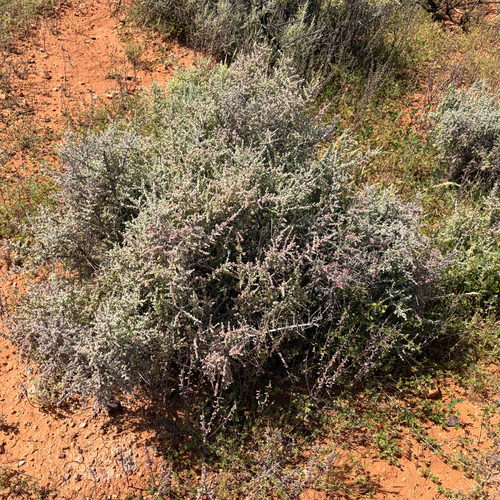 Black BluebushMaireana pyramidata
No wildlife links recorded yet
-
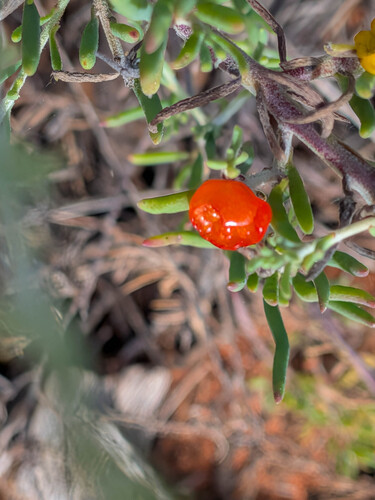 Ruby SaltbushEnchylaena tomentosa
Feeds 7 kinds of wildlife
-
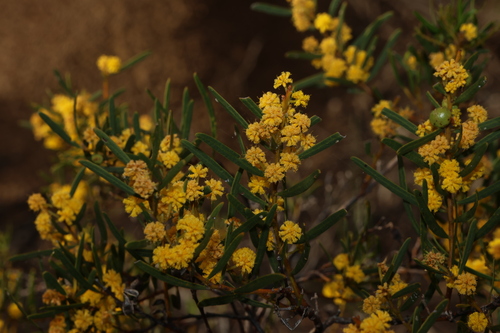 Dune WattleAcacia ligulata
Feeds 6 kinds of wildlife
-
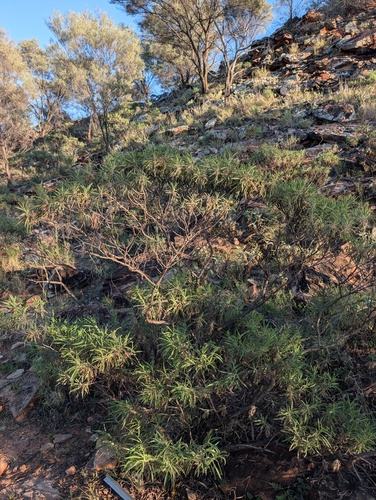 Limestone FuchsiaEremophila freelingii
No wildlife links recorded yet
-
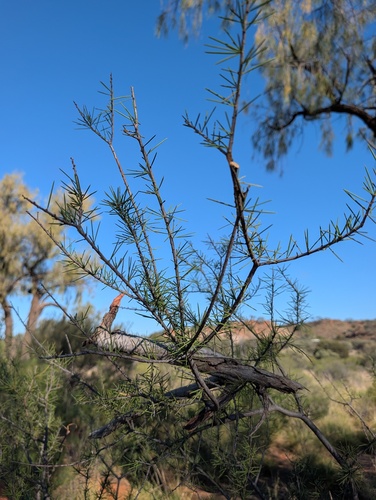 Dead FinishAcacia tetragonophylla
Feeds 6 kinds of wildlifePrickly
-
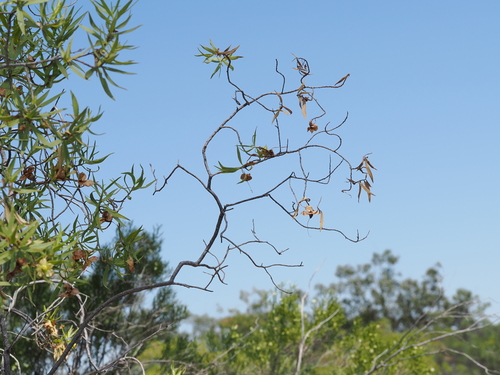 BuddaEremophila duttonii
No wildlife links recorded yet
-
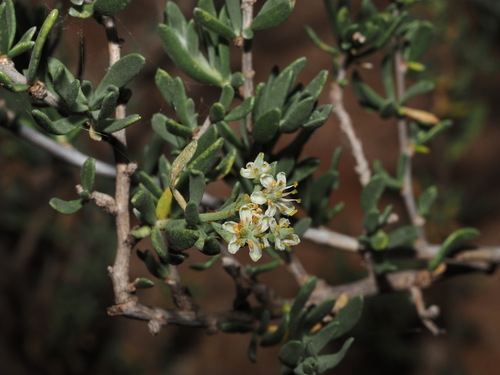 Dillon BushNitraria billardierei
No wildlife links recorded yet
-
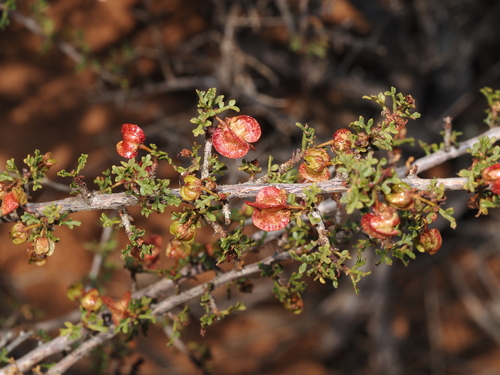 Brilliant Hop-bushDodonaea microzyga
No wildlife links recorded yet
-
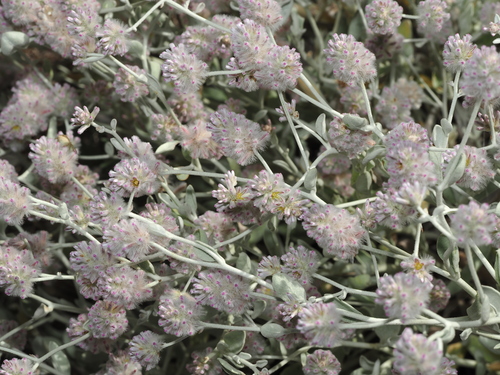 Cotton BushPtilotus obovatus
Feeds 3 kinds of wildlife
For a small garden: trees up to 8 m
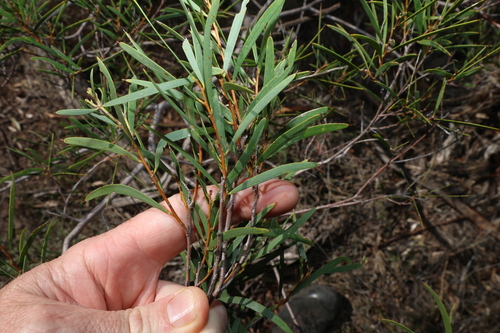
Shrubs for screening and shelter
-
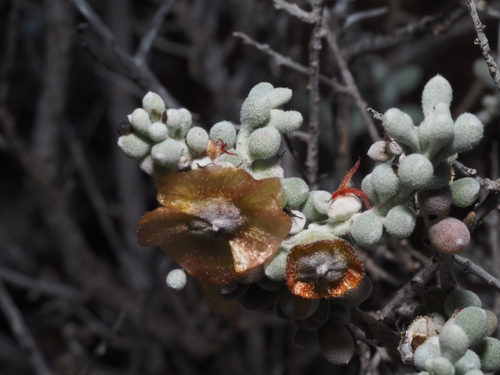 Low BluebushMaireana astrotricha
No wildlife links recorded yet
-
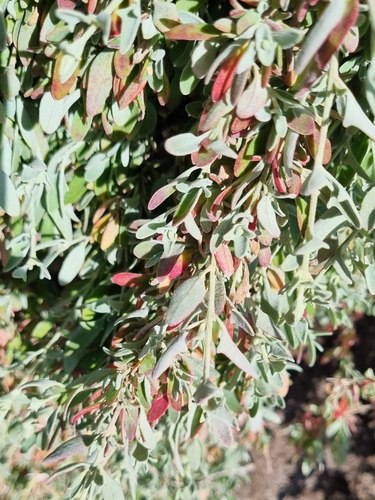 Thorny SaltbushRhagodia spinescens
No wildlife links recorded yet
-
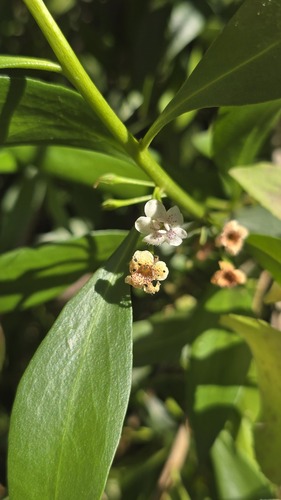 WaterbushMyoporum montanum
Feeds 2 kinds of wildlife
-
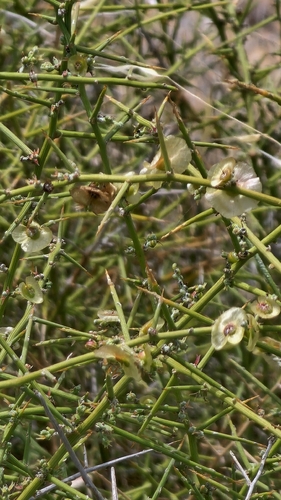 Leafless BluebushMaireana aphylla
No wildlife links recorded yet
-
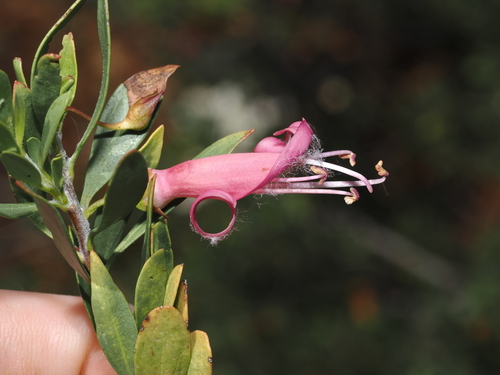 Spotted Emu BushEremophila maculata
No wildlife links recorded yet
Groundcovers, grasses and strappy plants
-
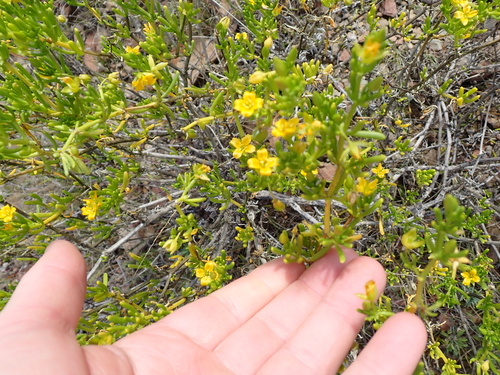 Roepera aurantiaca
Feeds 2 kinds of wildlife
-
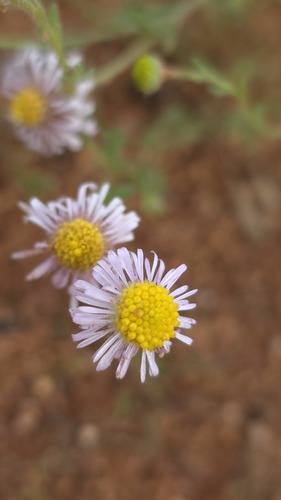 Variable DaisyBrachyscome ciliaris
Feeds 1 kind of wildlife
-
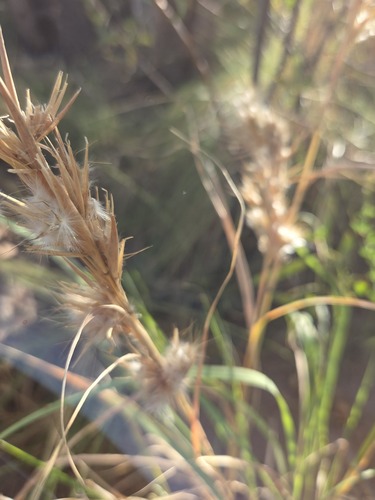 Lemon GrassCymbopogon ambiguus
No wildlife links recorded yet
-
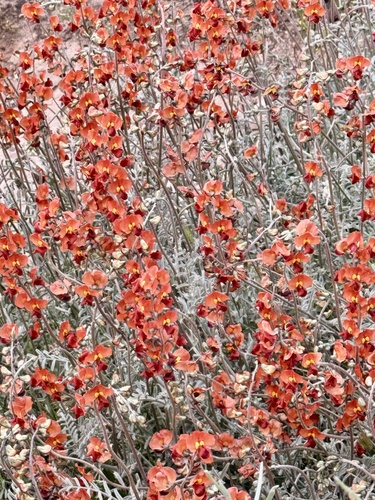 Orange Darling PeaSwainsona stipularis
No wildlife links recorded yetToxic to pets
-
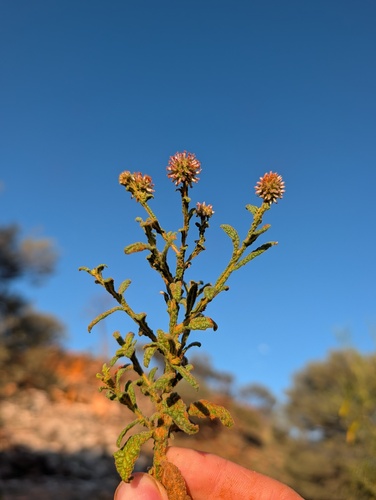 ApplebushPterocaulon sphacelatum
No wildlife links recorded yet