Home Suburbs Western Australia Meda
What to plant in Meda
Western Australia, postcode 6728
53 native plants grow wild within 30 km of Meda. Start with the garden-sized ones below: the most common locally, ranked higher when they feed more local wildlife.
1 threatened species recorded nearby Best picks Small trees 4 Shrubs 7 Groundcovers 19 Grasses & strappy 11 Climbers 2 Large trees 10 All 53 Share this list
Plant these first
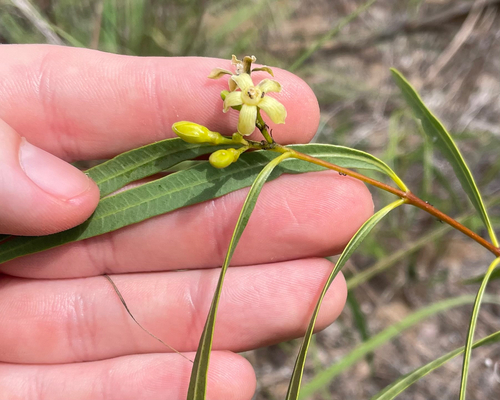
Wickham's Grevillea Grevillea wickhamii Shrub, about 5 m
Feeds 12 kinds of wildlife
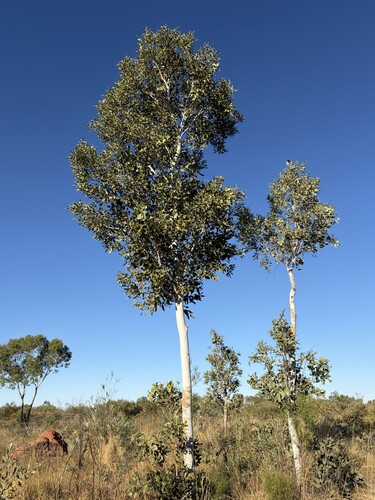
Twinleaf Bloodwood Corymbia cadophora Small tree, about 8 m
No wildlife links recorded yet
Candelabra Wattle Acacia colei Small tree, about 4 m
No wildlife links recorded yet
Minniritchie Acacia monticola Small tree, about 5 m
Feeds 2 kinds of wildlife
Native Rice Oryza australiensis Grass or strappy plant, about 3 m
No wildlife links recorded yet
Goodenia panduriformis Groundcover, about 1.5 m
No wildlife links recorded yet
Dodonaea hispidula Shrub, about 2 m
No wildlife links recorded yet
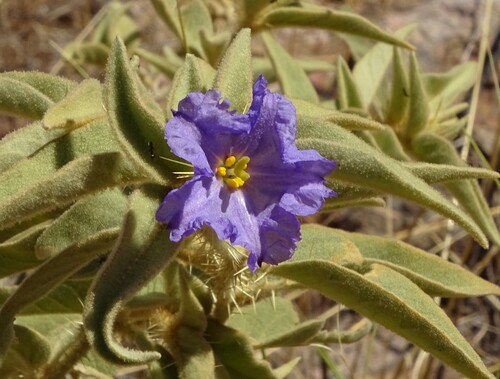
Native Cotton Gossypium australe Shrub, about 3 m
No wildlife links recorded yet
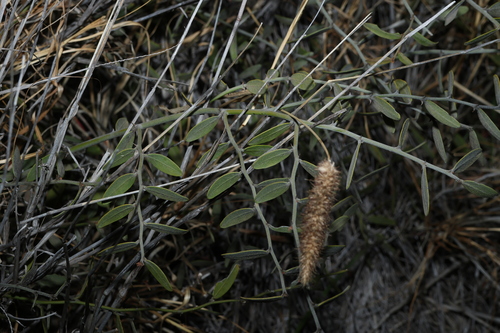
Australian Millet Panicum decompositum Grass or strappy plant, about 1 m
No wildlife links recorded yet
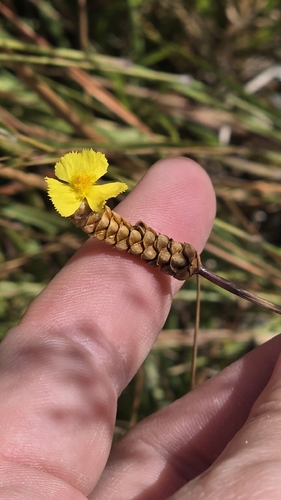
Goodenia sepalosa Groundcover, about 0.3 m
No wildlife links recorded yet
Sleepy Morning Waltheria indica Shrub, about 4 m
Feeds 16 kinds of wildlife
Cyperus carinatus Grass or strappy plant, about 1 m
No wildlife links recorded yet
Threatened wildlife you can plant for None of the threatened species recorded nearby has a known garden food plant here.
1 more threatened species recorded nearby (no garden food plants known) Protecting the bush, wetlands and coast near you is the best help for these.
Wildlife these plants feed Number of the top 100 plants here that feed each group: birds (7), butterflies (7), bees (1), mammals (5), moths (5).
How this list is made Plants recorded growing wild within 30 km of Meda on GBIF and the Atlas of Living Australia (319 records), a wider circle than the usual 5 km because Meda is a large locality. A plant counts only if it is native to Western Australia (Alien Flora of Australia and the Australian Plant Census) and herbarium specimens show it grows wild in this bioregion (Dampierland), so street trees and garden plants from elsewhere drop out. Records from botanic gardens, zoos and museums are left out, and so are declared weeds. Plants on an official environmental weed list stay in the full list with a note but are never a pick. Water, saltmarsh and tiny or short-lived plants are in the full list only. Sources
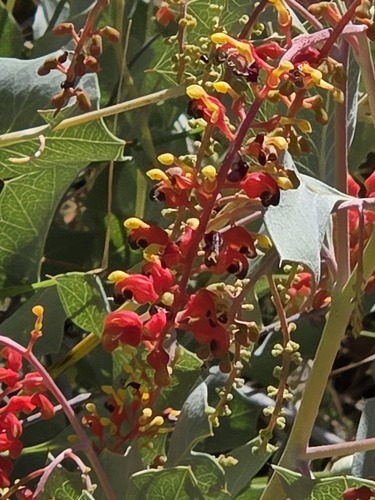 Wickham's GrevilleaGrevillea wickhamii
Feeds 12 kinds of wildlife
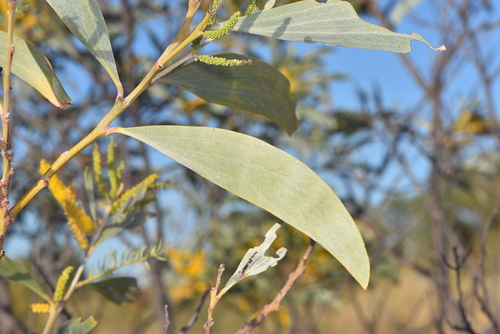 Candelabra WattleAcacia colei
No wildlife links recorded yet
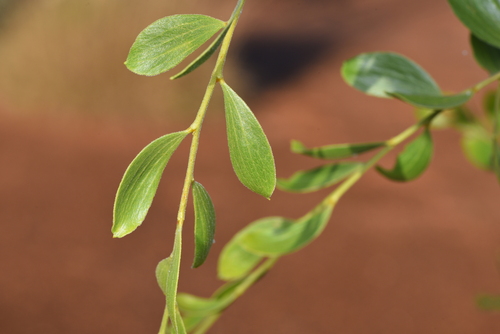 MinniritchieAcacia monticola
Feeds 2 kinds of wildlife
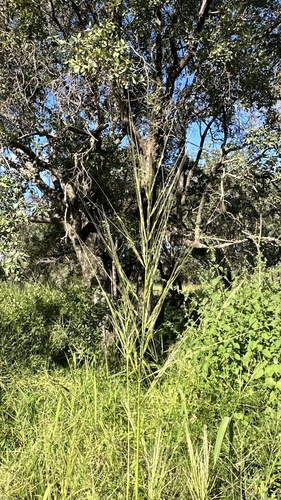 Native RiceOryza australiensis
No wildlife links recorded yet
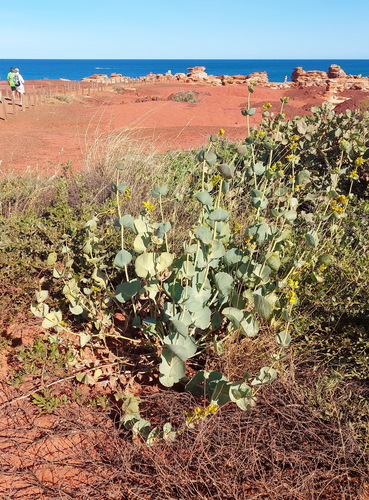 Goodenia panduriformis
No wildlife links recorded yet
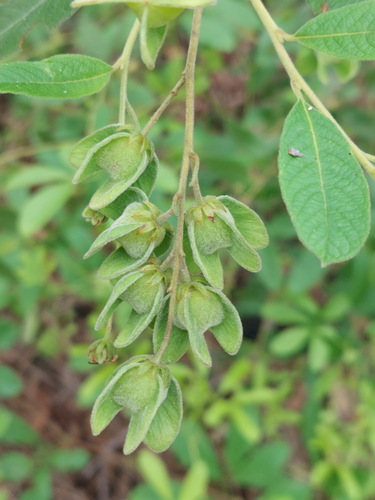 Dodonaea hispidula
No wildlife links recorded yet
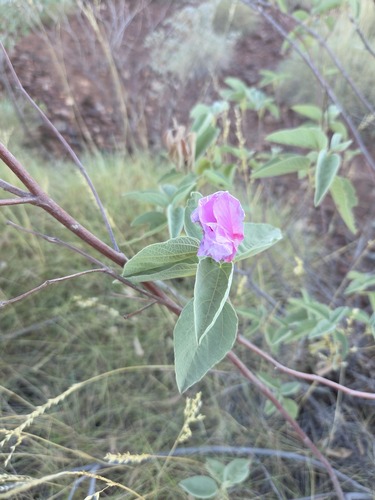 Native CottonGossypium australe
No wildlife links recorded yet
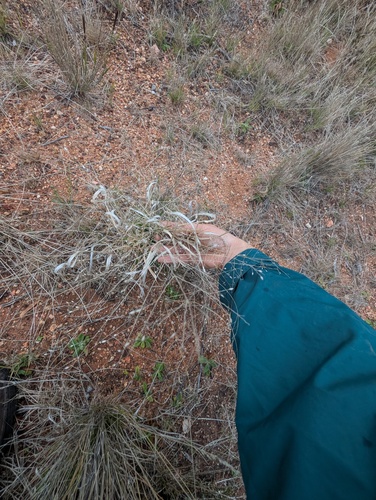 Australian MilletPanicum decompositum
No wildlife links recorded yet
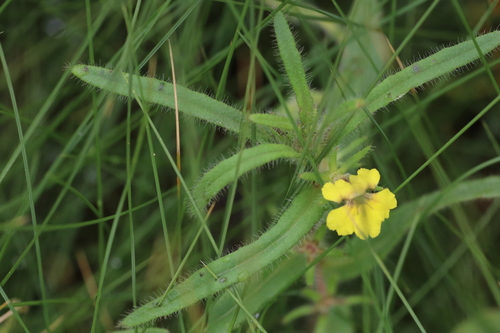 Goodenia sepalosa
No wildlife links recorded yet
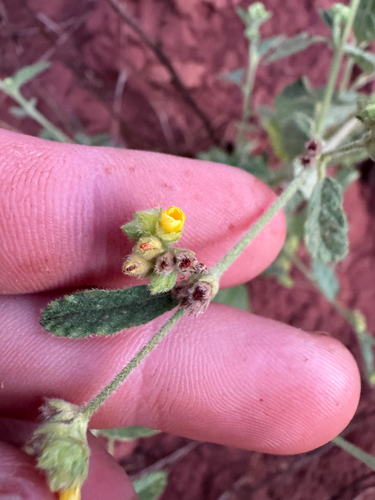 Sleepy MorningWaltheria indica
Feeds 16 kinds of wildlife