What to plant in The Dimonds
159 native plants grow wild within 8 km of The Dimonds. Start with the garden-sized ones below: the most common locally, ranked higher when they feed more local wildlife.
Plant these first
-
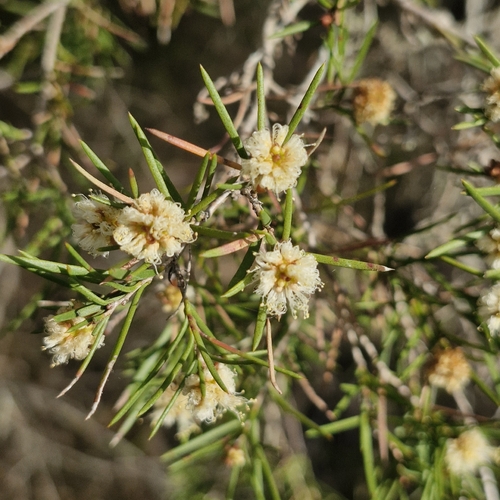 Ball Honey-myrtleMelaleuca nodosa
Feeds 9 kinds of wildlife
-
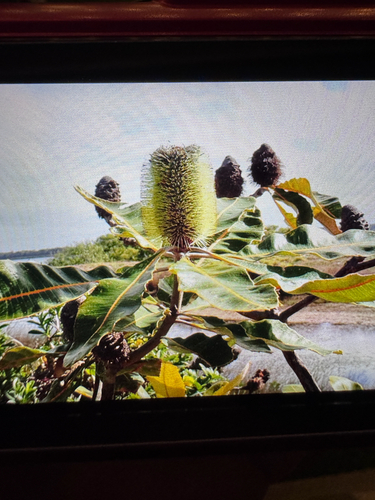 Swamp BanksiaBanksia robur
Feeds 11 kinds of wildlife
-
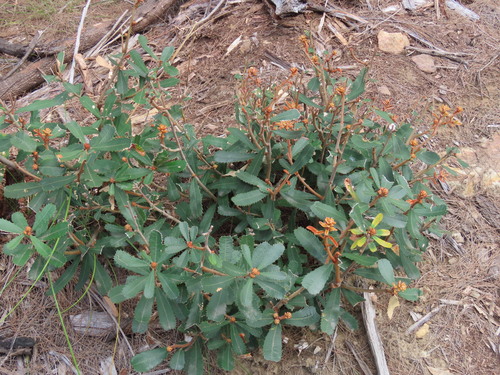 Rusty BanksiaBanksia oblongifolia
Feeds 12 kinds of wildlife
-
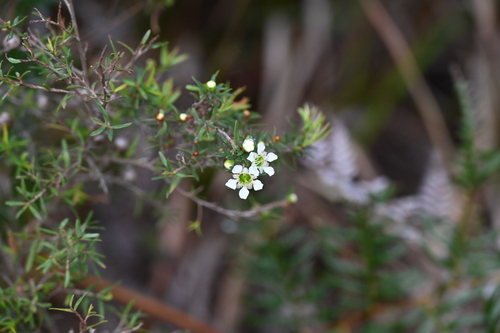 Tea TreeLeptospermum polygalifolium
Feeds 33 kinds of wildlife
-
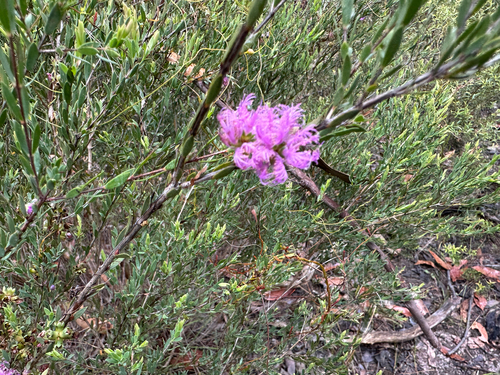 Thyme Honey-myrtleMelaleuca thymifolia
Feeds 8 kinds of wildlife
-
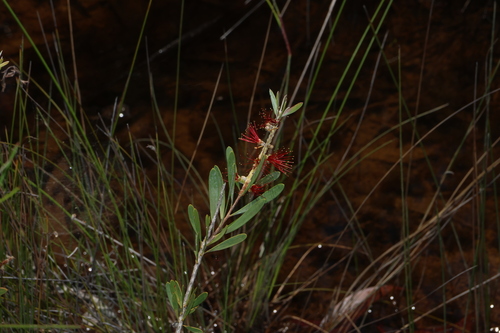 Wallum BottlebrushCallistemon pachyphyllus
Feeds 9 kinds of wildlife
-
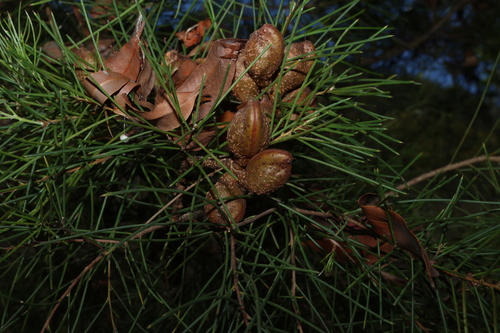 Mulloway Needle BushHakea actites
Feeds 1 kind of wildlifePrickly
-
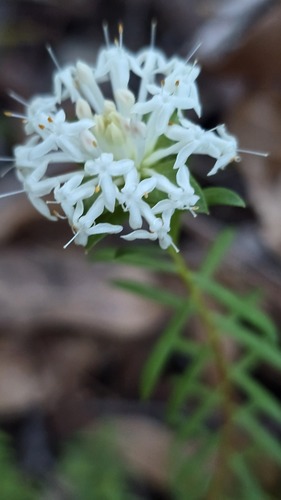 Slender Rice FlowerPimelea linifolia
Feeds 11 kinds of wildlifeToxic to pets
-
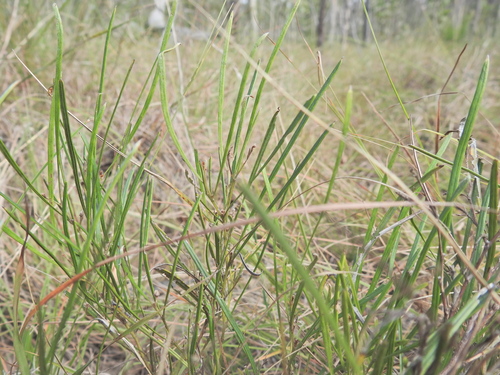 Tin Can Bay GrevilleaGrevillea reptans
Feeds 12 kinds of wildlife
-
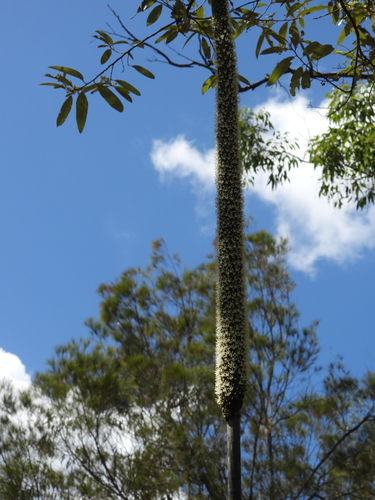 Forest GrasstreeXanthorrhoea johnsonii
Feeds 26 kinds of wildlifePrickly
-
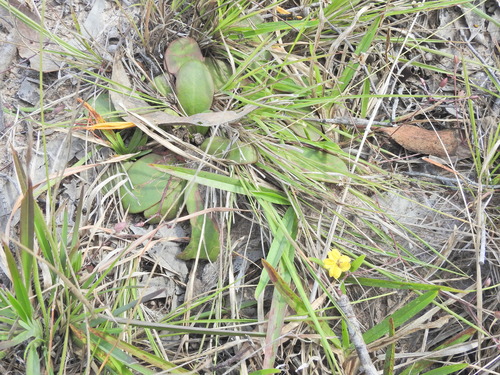 Wild PansiesGoodenia mystrophylla
No wildlife links recorded yet
-
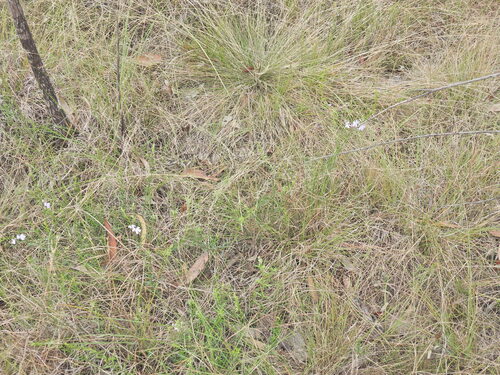 Tufted WestringiaWestringia tenuicaulis
No wildlife links recorded yet
For a small garden: trees up to 8 m
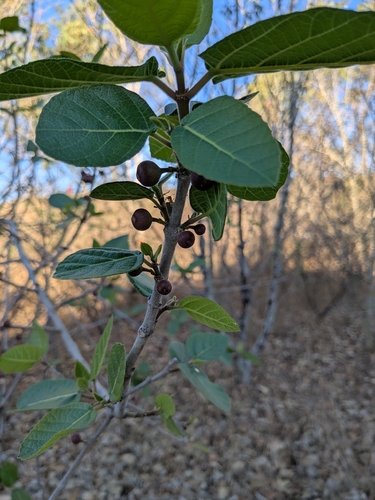
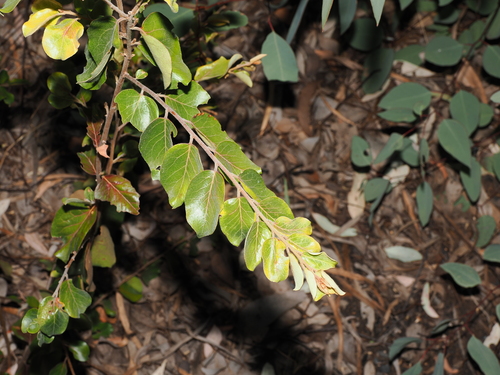
Shrubs for screening and shelter
-
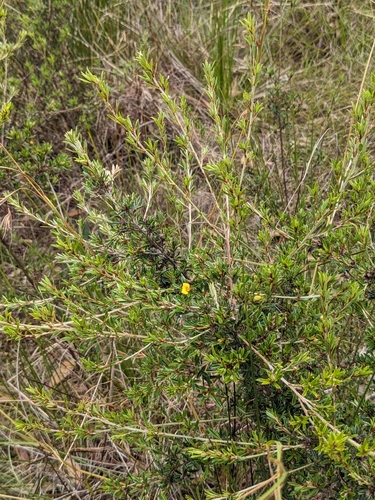 Pultenaea rariflora
No wildlife links recorded yet
-
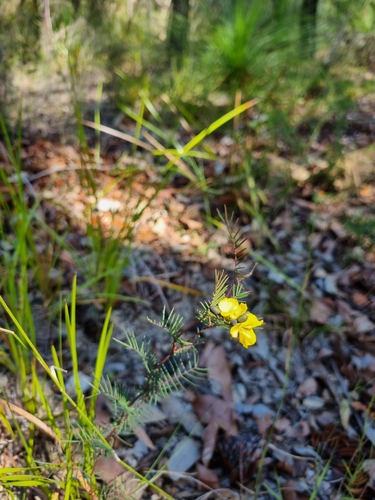 Pinnate Wedge PeaGompholobium pinnatum
No wildlife links recorded yet
-
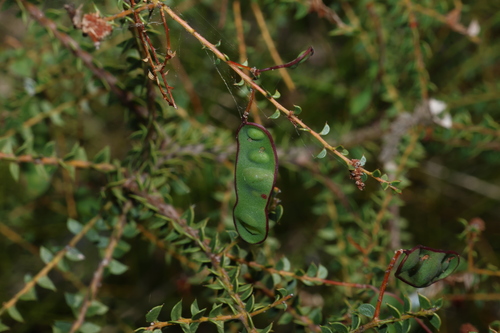 Yellow Prickly MosesAcacia hubbardiana
No wildlife links recorded yet
-
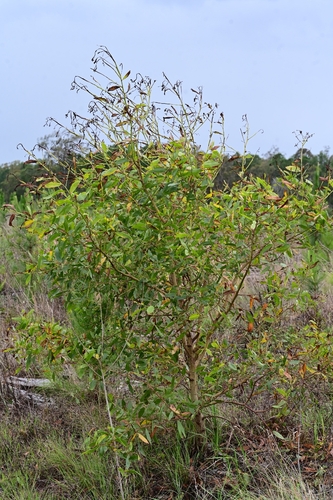 Black WattleAcacia leiocalyx
Feeds 8 kinds of wildlife
-
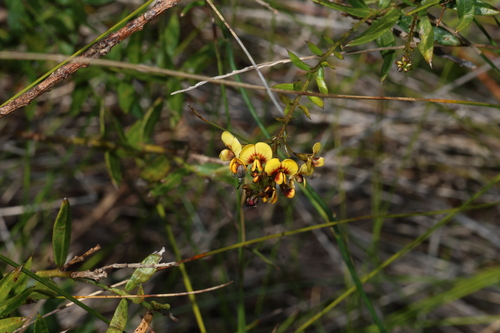 Prickly DaviesiaDaviesia umbellulata
No wildlife links recorded yet
Groundcovers, grasses and strappy plants
-
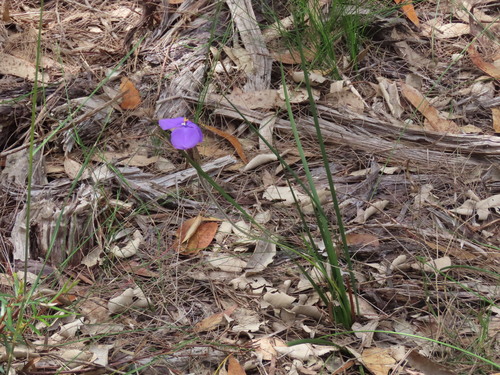 Silky Purple FlagPatersonia sericea
No wildlife links recorded yet
-
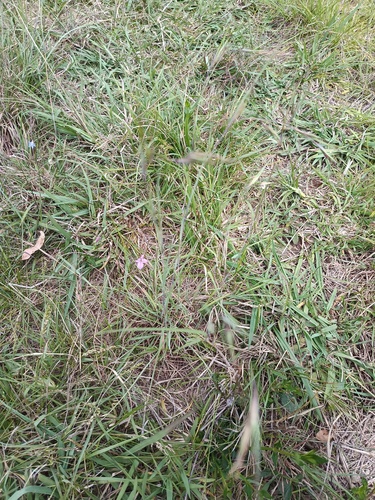 Kangaroo GrassThemeda triandra
Feeds 10 kinds of wildlife
-
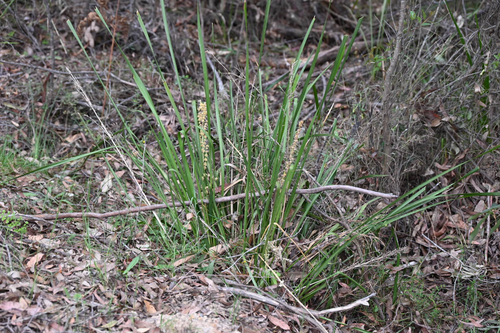 Spiny-headed Mat-rushLomandra longifolia
Feeds 9 kinds of wildlife
-
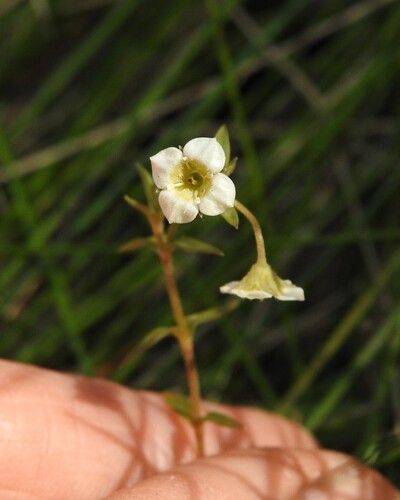 Mitrasacme paludosa
No wildlife links recorded yet
-
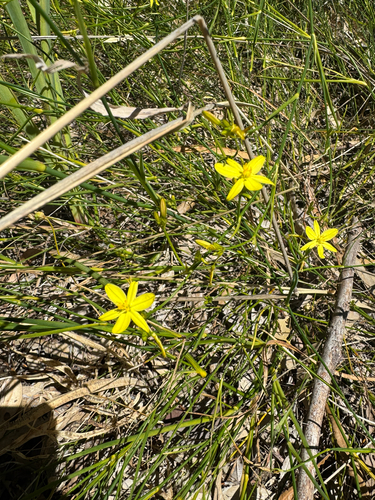 Yellow Rush-lilyTricoryne elatior
No wildlife links recorded yet