What to plant in Upper Gundowring
102 native plants grow wild within 8 km of Upper Gundowring. Start with the garden-sized ones below: the most common locally, ranked higher when they feed more local wildlife.
2 threatened species recorded nearbyPlant these first
-
 Weeping-grassMicrolaena stipoides
Feeds 6 kinds of wildlife
-
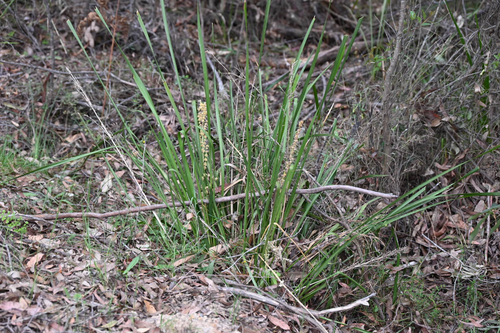 Spiny-headed Mat-rushLomandra longifolia
Feeds 9 kinds of wildlife
-
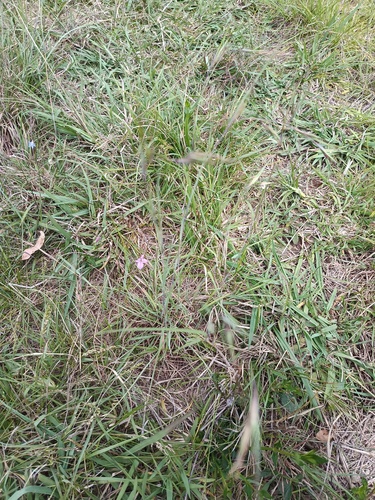 Kangaroo GrassThemeda triandra
Feeds 10 kinds of wildlife
-
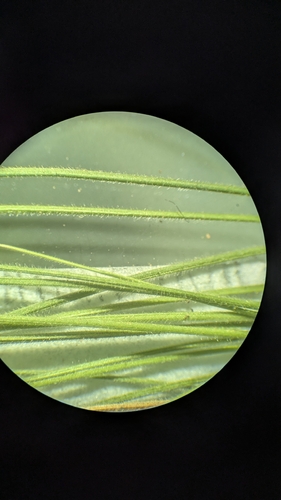 Snow GrassPoa sieberiana
Feeds 2 kinds of wildlife
-
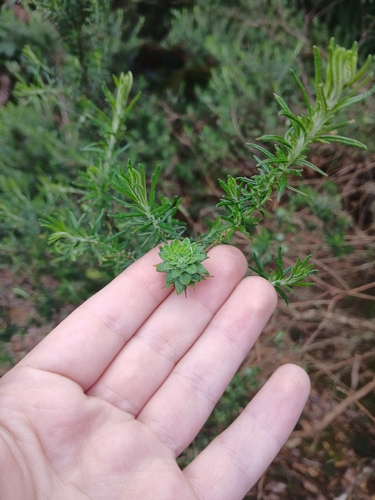 Dolly BushCassinia aculeata
Feeds 8 kinds of wildlife
-
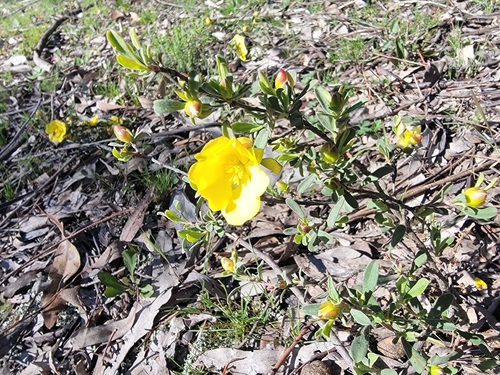 Grey Guinea FlowerHibbertia obtusifolia
Feeds 1 kind of wildlife
-
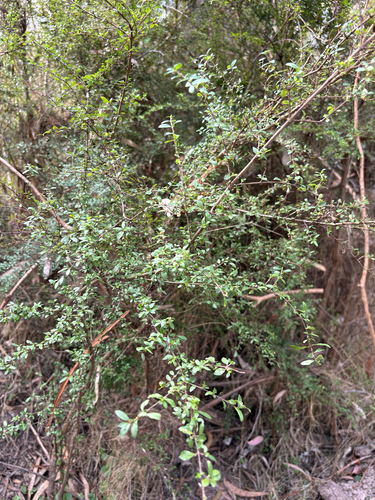 Prickly Currant-BushCoprosma quadrifida
Feeds 3 kinds of wildlife
-
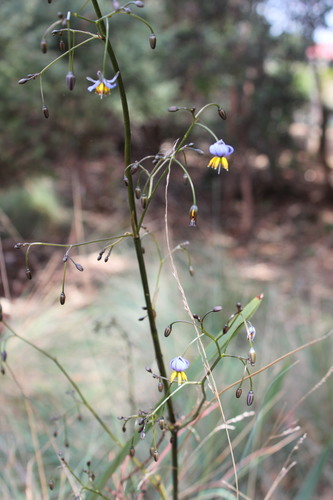 Tasmanian Flax-lilyDianella tasmanica
Feeds 1 kind of wildlife
-
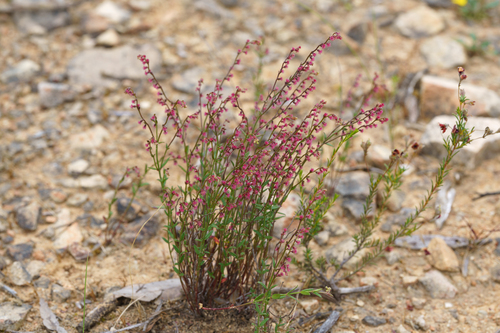 Common RaspwortGonocarpus tetragynus
No wildlife links recorded yet
-
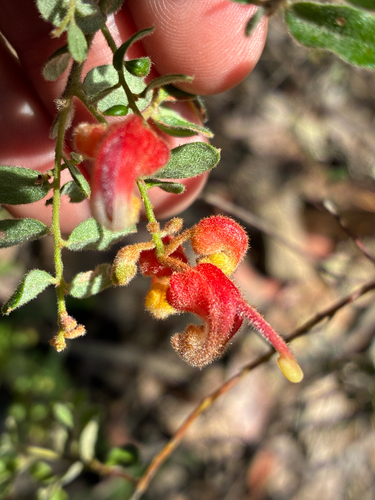 Mountain GrevilleaGrevillea alpina
Feeds 13 kinds of wildlife
-
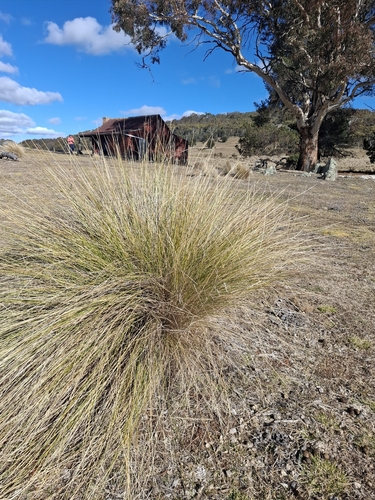 River Tussock GrassPoa labillardierei
Feeds 1 kind of wildlife
-
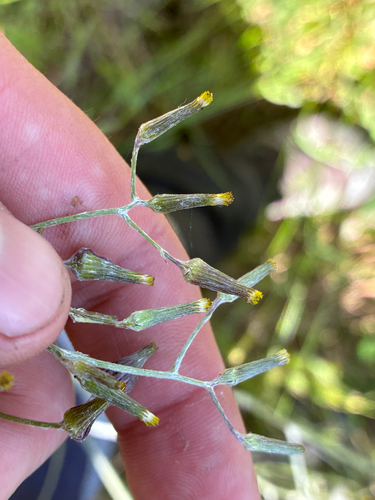 Cotton FireweedSenecio quadridentatus
Feeds 3 kinds of wildlife
For a small garden: trees up to 8 m
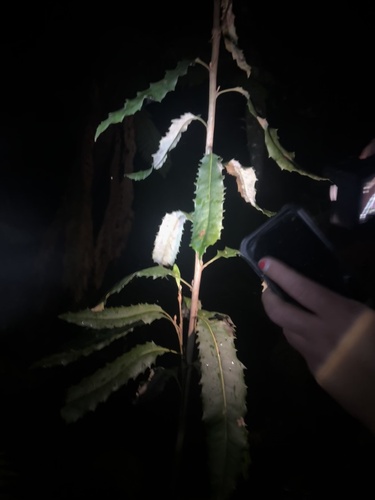
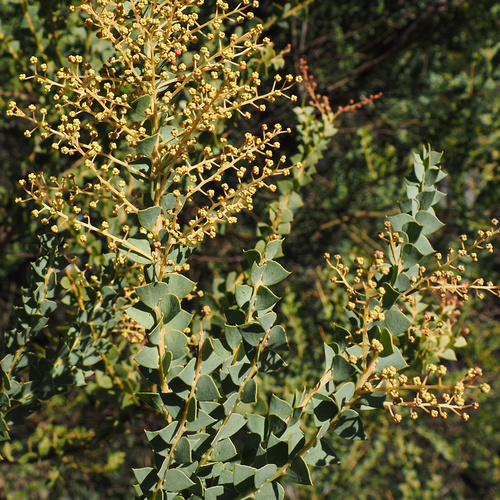
Shrubs for screening and shelter
-
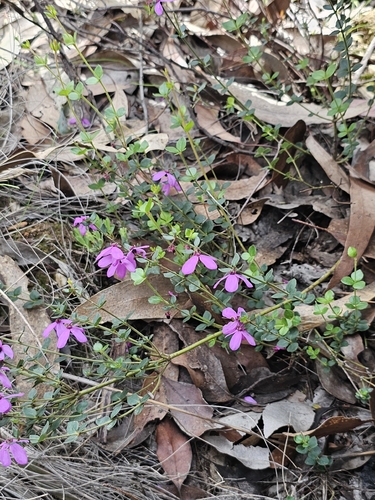 Pink-bellsTetratheca ciliata
No wildlife links recorded yet
-
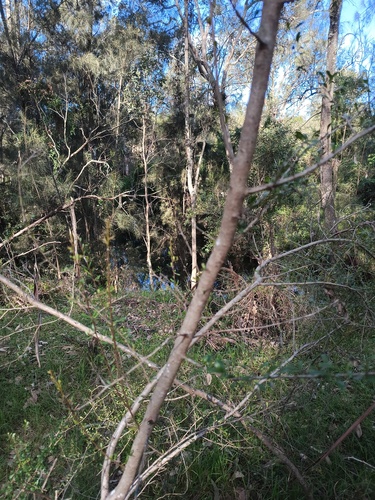 Australian BlackthornBursaria spinosa
Feeds 54 kinds of wildlifePrickly
-
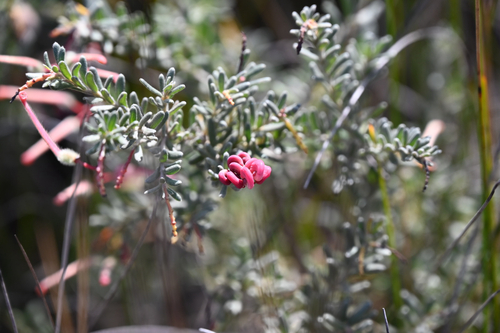 Woolly GrevilleaGrevillea lanigera
Feeds 12 kinds of wildlife
-
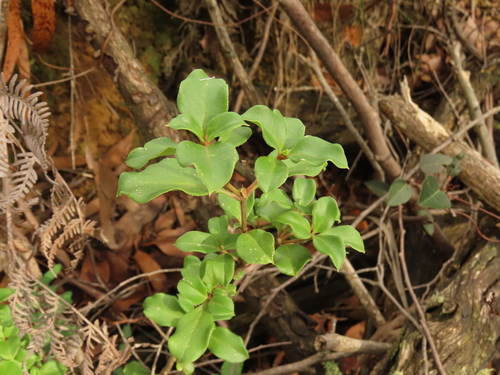 Rough CoprosmaCoprosma hirtella
No wildlife links recorded yet
-
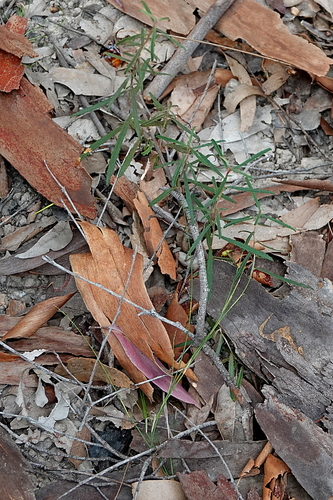 Pink-tip Daisy-bushOlearia erubescens
No wildlife links recorded yet
Groundcovers, grasses and strappy plants
-
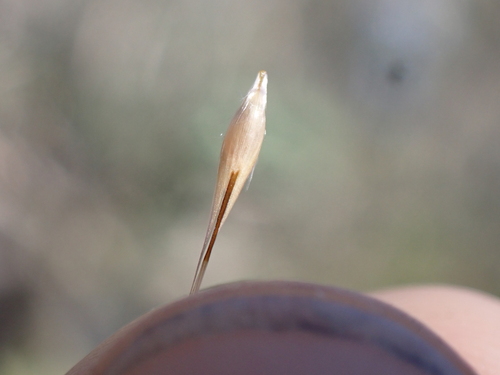 Rytidosperma penicillatum
No wildlife links recorded yet
-
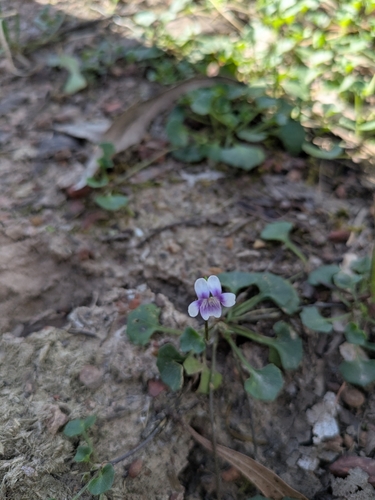 Ivy Leaved VioletViola hederacea
No wildlife links recorded yet
-
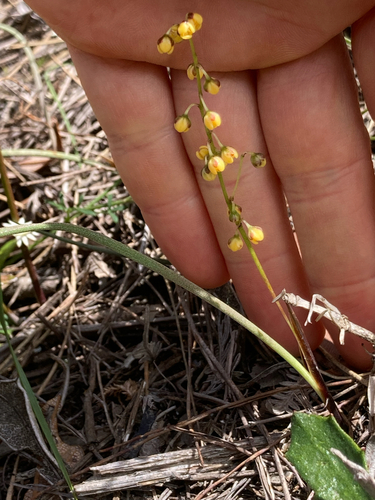 Wattle Mat-rushLomandra filiformis
Feeds 9 kinds of wildlife
-
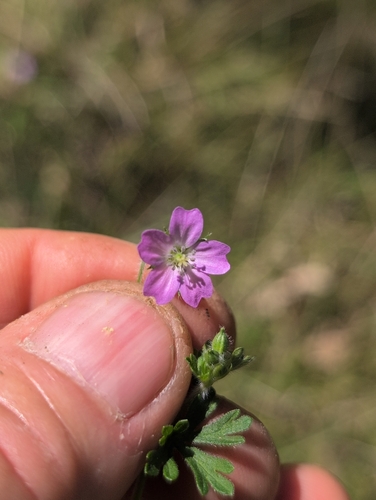 Carolina Crane's-billGeranium solanderi
No wildlife links recorded yet
-
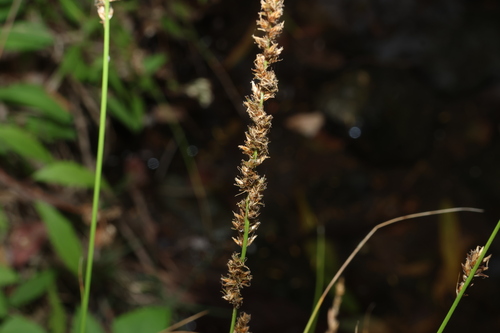 Greater Tussock-sedgeCarex appressa
Feeds 6 kinds of wildlife