What to plant in Wabonga
228 native plants grow wild within 10 km of Wabonga. Start with the garden-sized ones below: the most common locally, ranked higher when they feed more local wildlife.
6 threatened species recorded nearbyPlant these first
-
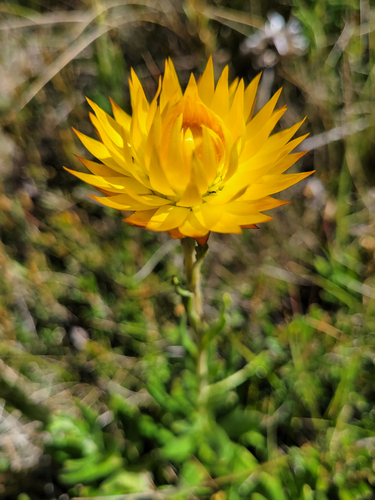
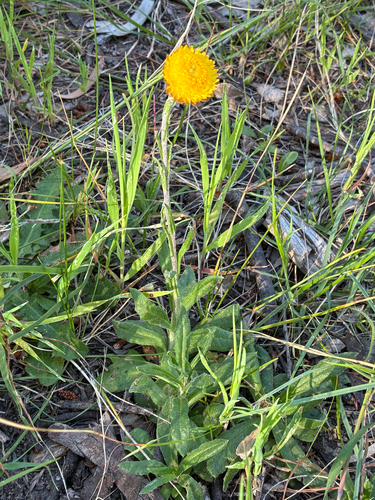
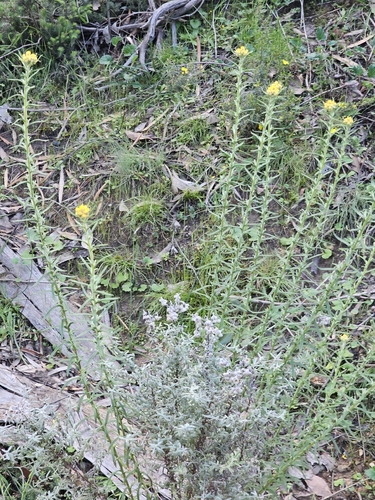 Clustered EverlastingChrysocephalum semipapposum
Feeds 1 kind of wildlife
-
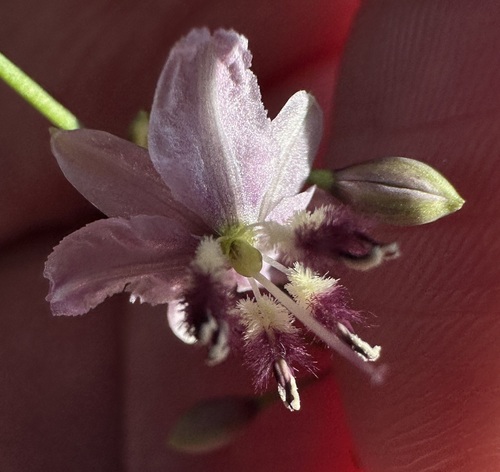
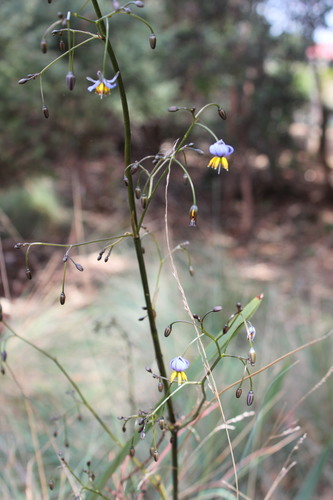 Tasmanian Flax-lilyDianella tasmanica
Feeds 1 kind of wildlife
-
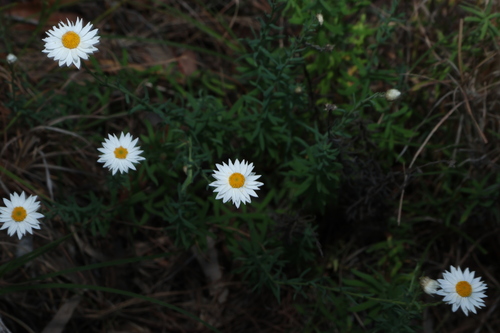
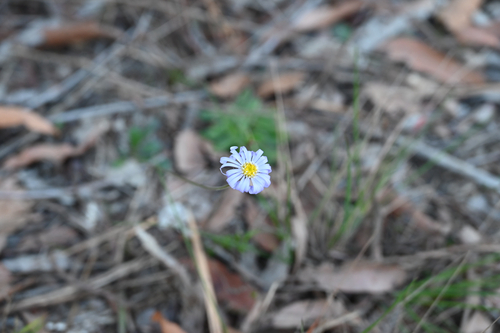 Spoon DaisyBrachyscome spathulata
No wildlife links recorded yet
-
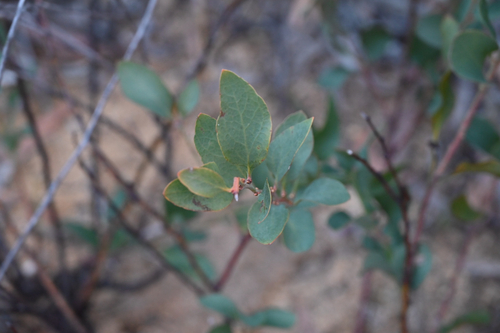 Hop Bitter-peaDaviesia latifolia
Feeds 7 kinds of wildlife
-
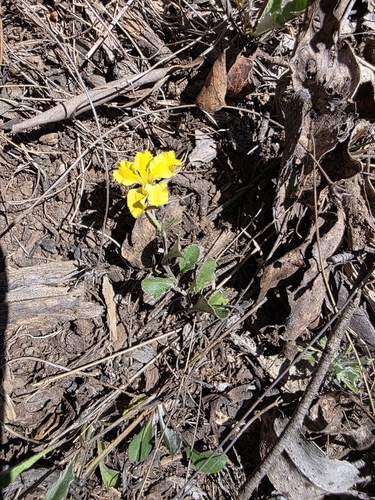 Ivy GoodeniaGoodenia hederacea
No wildlife links recorded yet
-
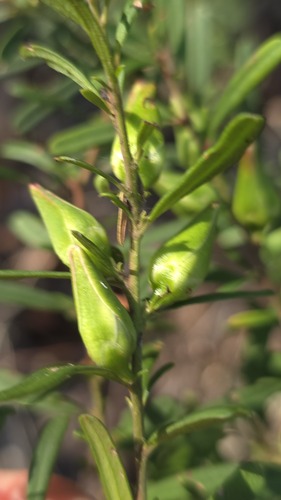 Small CroweaCrowea exalata
Feeds 6 kinds of wildlife
-
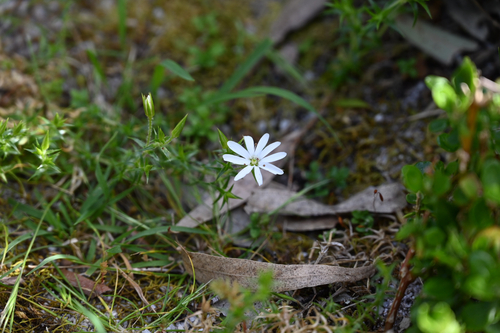 Prickly StarwortStellaria pungens
No wildlife links recorded yet
-
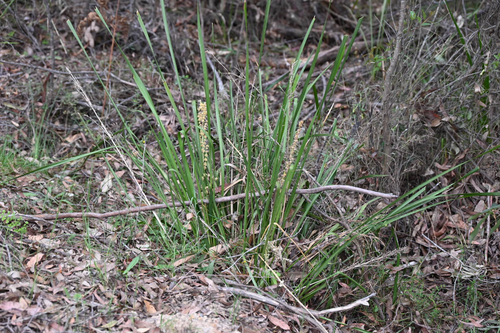 Spiny-headed Mat-rushLomandra longifolia
Feeds 9 kinds of wildlife
-
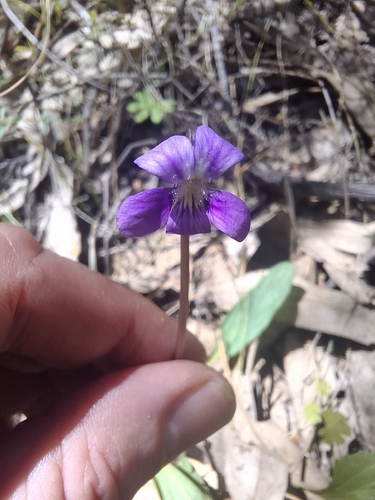 Native VioletViola betonicifolia
No wildlife links recorded yet
-
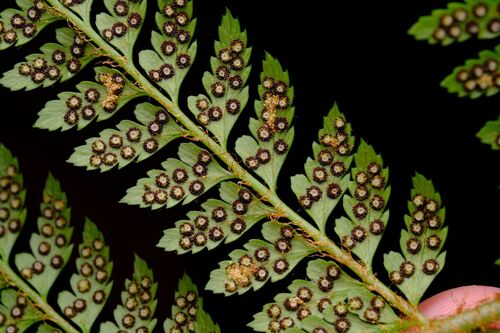 Mother Shield-fernPolystichum proliferum
No wildlife links recorded yet
-
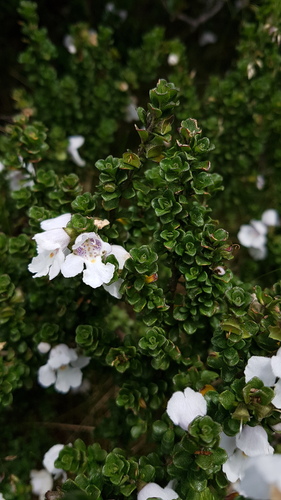 Alpine Mint BushProstanthera cuneata
No wildlife links recorded yet
-
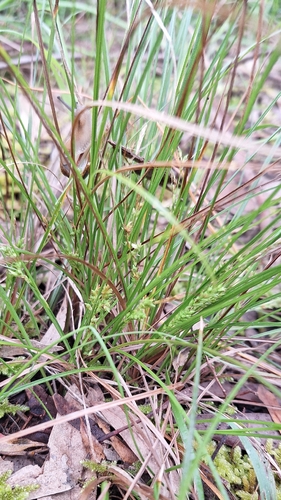 Short-stem SedgeCarex breviculmis
No wildlife links recorded yet
For a small garden: trees up to 8 m
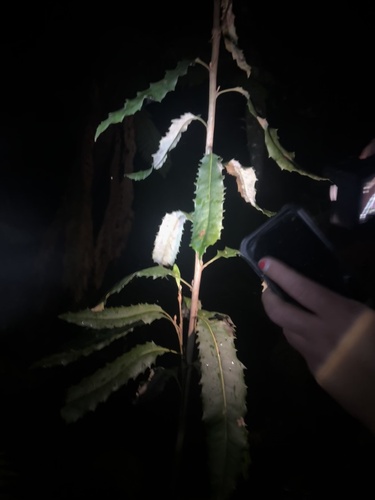
Shrubs for screening and shelter
-
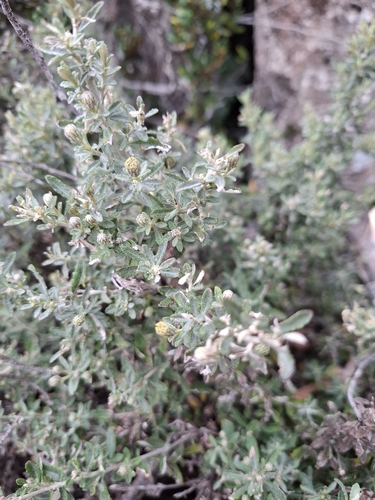 Asthma BushOlearia phlogopappa
Feeds 2 kinds of wildlife
-
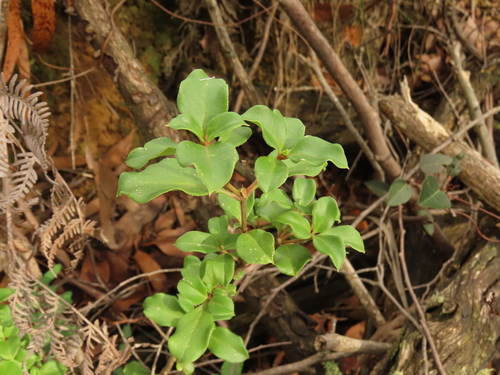 Rough CoprosmaCoprosma hirtella
No wildlife links recorded yet
-
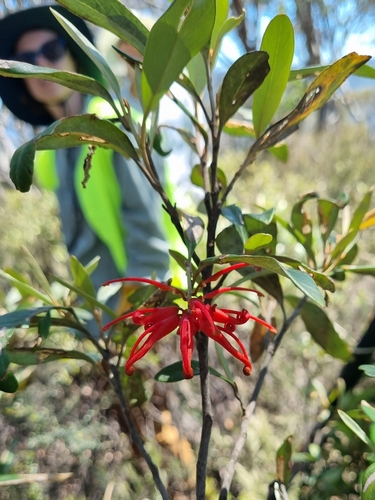 Royal GrevilleaGrevillea victoriae
Feeds 12 kinds of wildlife
-
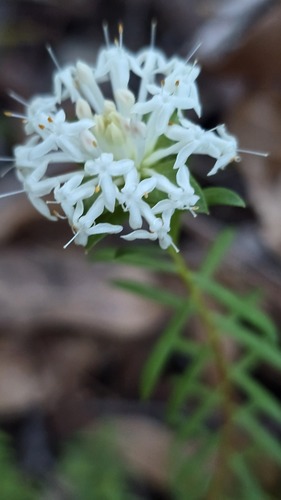 Slender Rice FlowerPimelea linifolia
Feeds 11 kinds of wildlifeToxic to pets
-
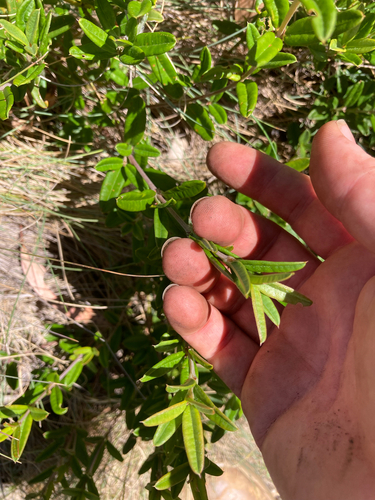 Callistachys alpestris
No wildlife links recorded yet
Groundcovers, grasses and strappy plants
Climbers
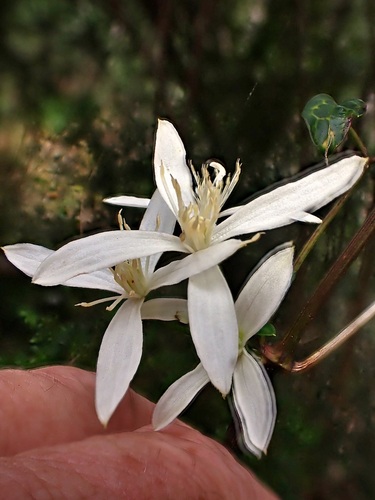
Large trees, if you have room
-
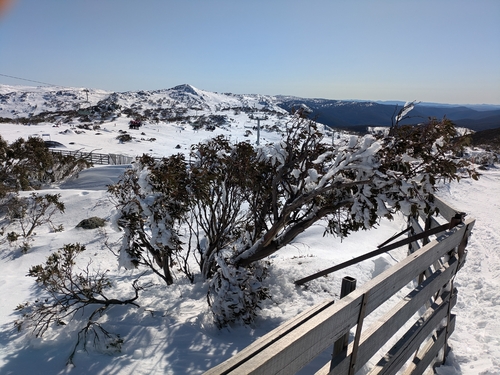 Snow GumEucalyptus pauciflora
Food for the Gang-gang CockatooFeeds 31 kinds of wildlife
-
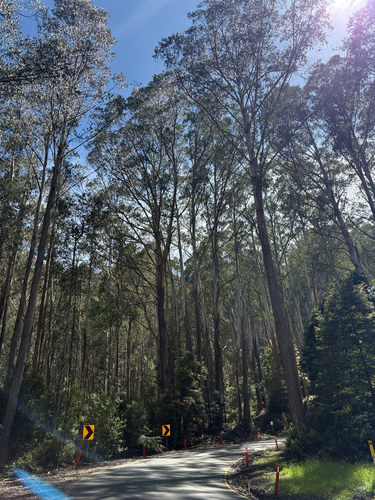 Alpine AshEucalyptus delegatensis
Feeds 18 kinds of wildlife
-
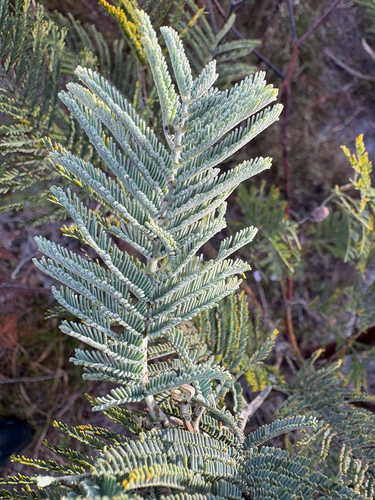 Silver WattleAcacia dealbata
Food for the Gang-gang CockatooFeeds 33 kinds of wildlife
-
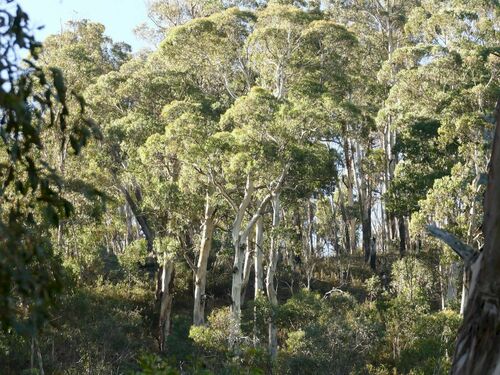 Mountain White GumEucalyptus dalrympleana
Food for the Gang-gang CockatooFeeds 21 kinds of wildlife