Bastard Guelder
Premna serratifolia
Bastard Guelder is a large tree native to Queensland, Western Australia, Northern Territory, usually about 10 m tall in a garden. It feeds 32 kinds of wildlife. It is in the local plant lists of 362 suburbs.
- Type
- Large tree
- Garden height
- 10 m
- Family
- Lamiaceae
- Native to
- Queensland, Western Australia, Northern Territory
Photo: Matt B, CC BY, via iNaturalist
Wildlife it feeds
Caterpillar or larval food plant for
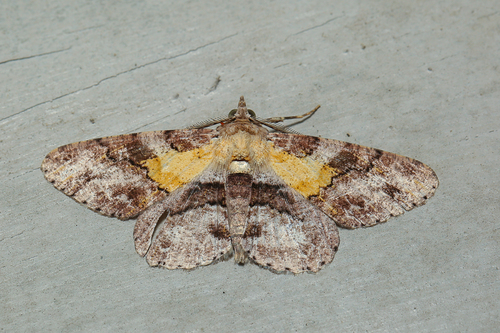
Flowers visited by
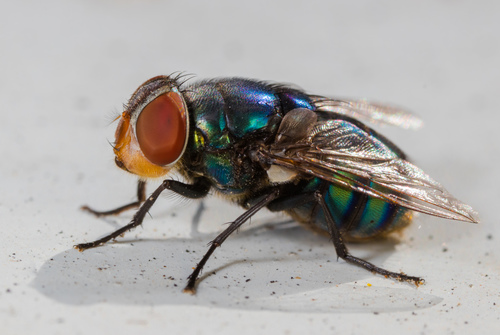 Oriental Latrine Fly12 records
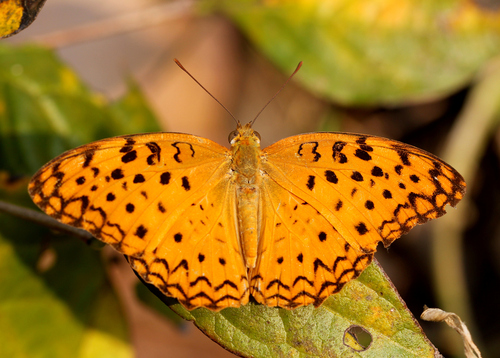 Spotted Rustic5 records
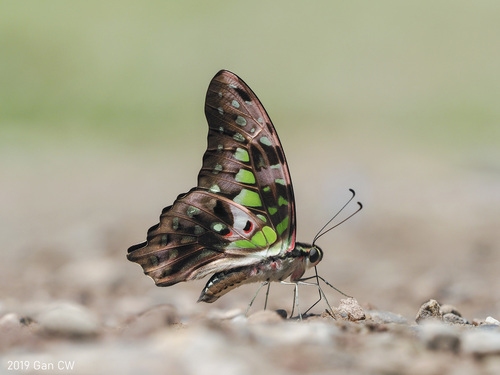 Green-spotted Triangle3 records
- Common Bluebottle3 records
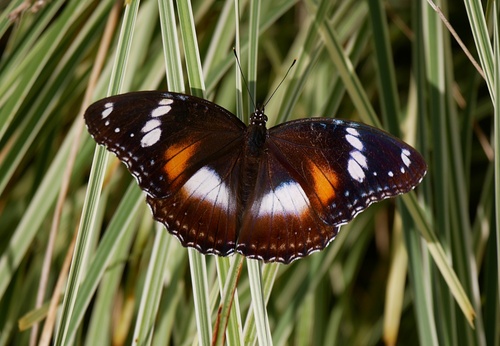 Varied Eggfly2 records
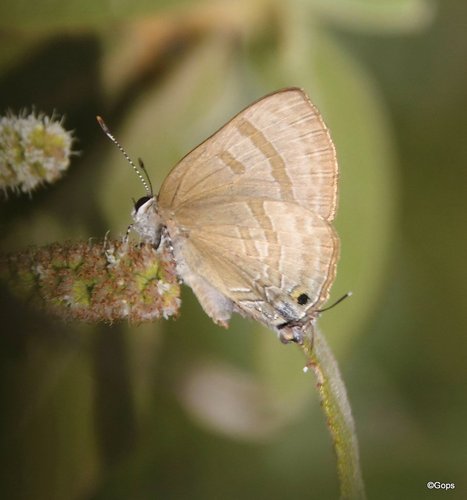 Indigo Flash1 record
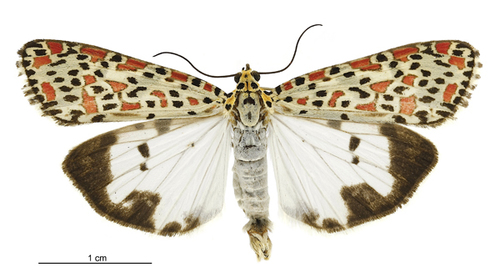 Crotalaria Moth1 record
- Long-tailed Line-blue1 record
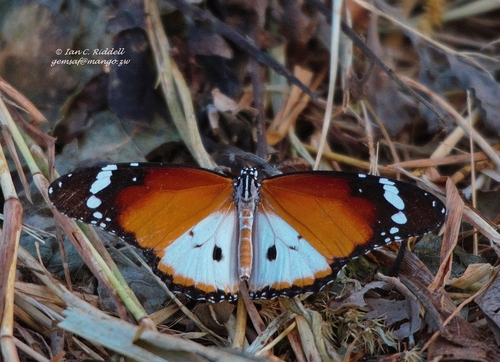 Plain Tiger1 record
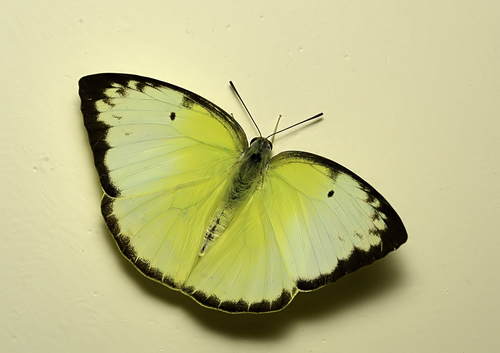 Lemon Migrant1 record
- Dark Cornelian1 record
- Danaid Eggfly1 record
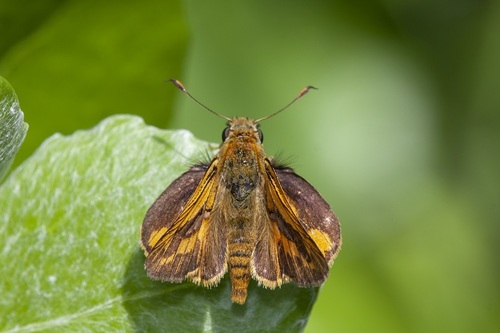 Green Darter1 record
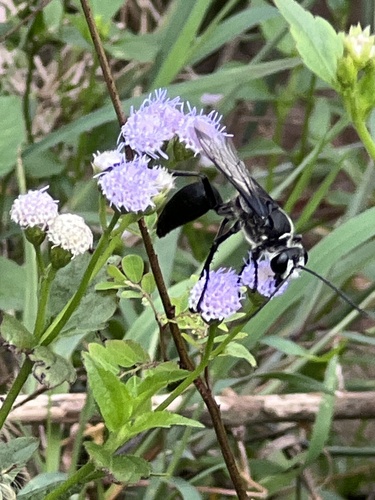 Sphex argentatus1 record
Eaten by
- Green-spotted Triangle10 records
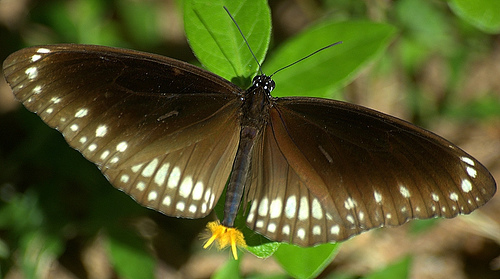 Common Indian Crow9 records
- Varied Eggfly4 records
- Plain Tiger2 records
- Lemon Migrant2 records
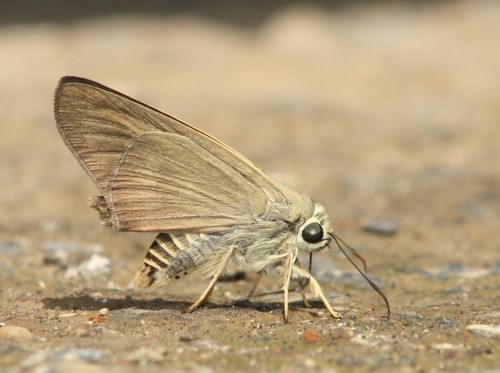 Narrow-winged Awl2 records
- Dark Cornelian2 records
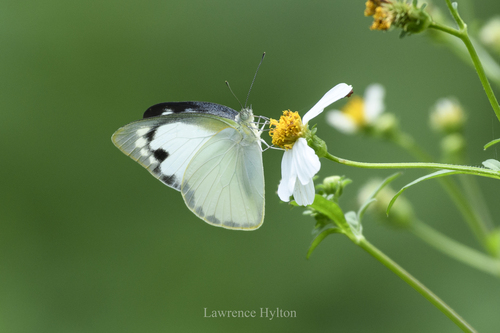 White Albatross2 records
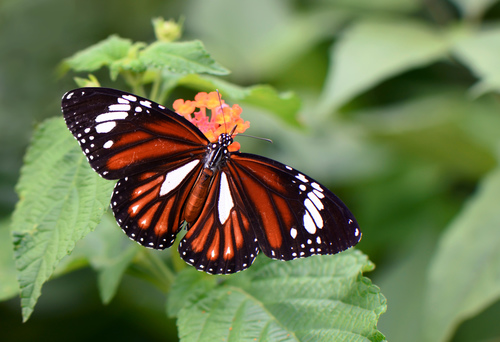 Orange Tiger1 record
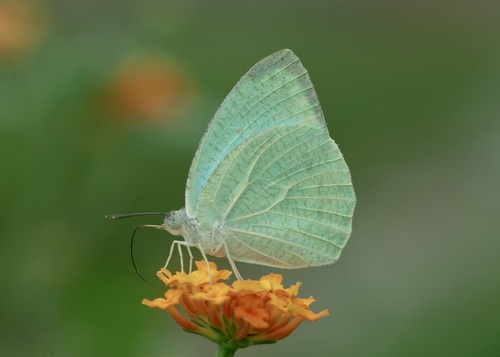 White Migrant1 record
- Plumbago Blue1 record
- Large Grass-yellow1 record
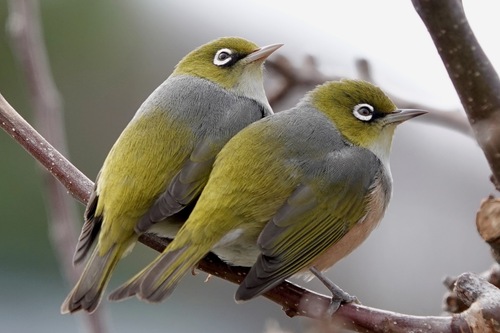 Silvereye1 record
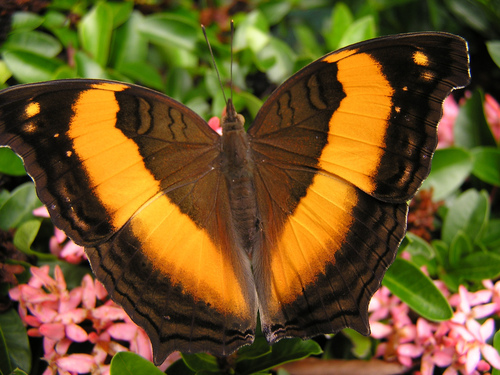 Lurcher1 record
- Clearwing Swallowtail1 record
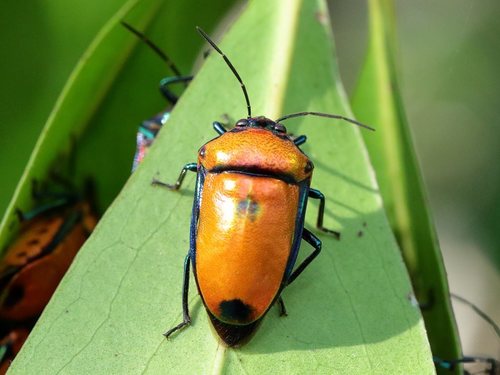 Calliphara regalis1 record
- Spotted Rustic1 record
- Large Purple Line-blue1 record
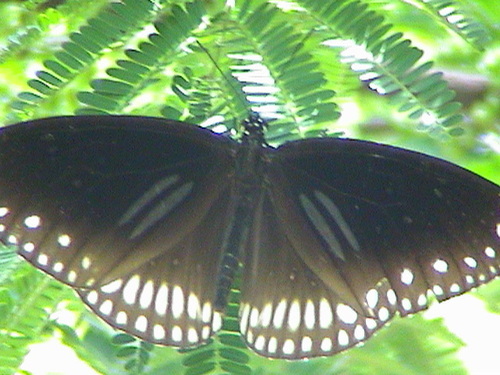 Two-brand Crow1 record
- Danaid Eggfly1 record
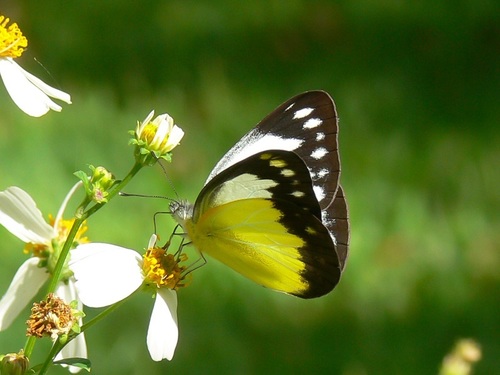 Caper Gull1 record
- Purple Line-blue1 record
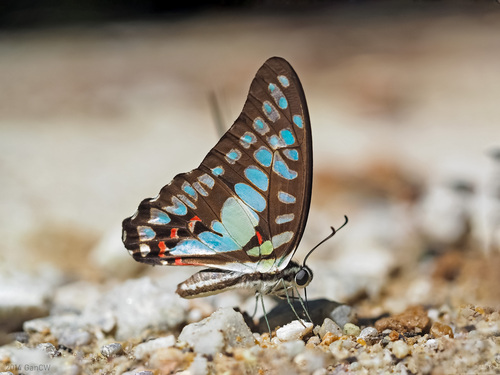 Pale Triangle1 record
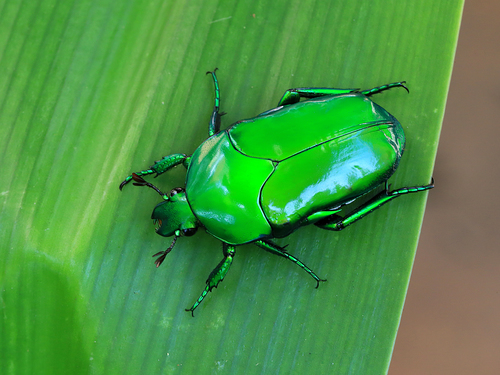 Ischiopsopha wallacei1 record
Also recorded with
Photos
- Photo: Matt B, CC BY, via iNaturalist
- Photo: Steve Fitzgerald, CC BY-SA, via iNaturalist
- Photo: Jane C Frost, CC BY, via iNaturalist
- Photo: Caleb Catto, CC BY, via iNaturalist
Where it grows naturally
Native to Queensland, Western Australia, Northern Territory. It ranks high in the local plant lists of these suburbs:
Related plants
Sources
Native range: Australian Plant Census and Alien Flora of Australia, with herbarium specimens for each bioregion. Size, flowering and form: AusTraits 7.0.0. Records: GBIF and the Atlas of Living Australia. Wildlife links: GloBI and the studies cited on each animal page. All sources