Balcony or courtyard?
One pot of native daisies. A month-after-month feast for native bees.
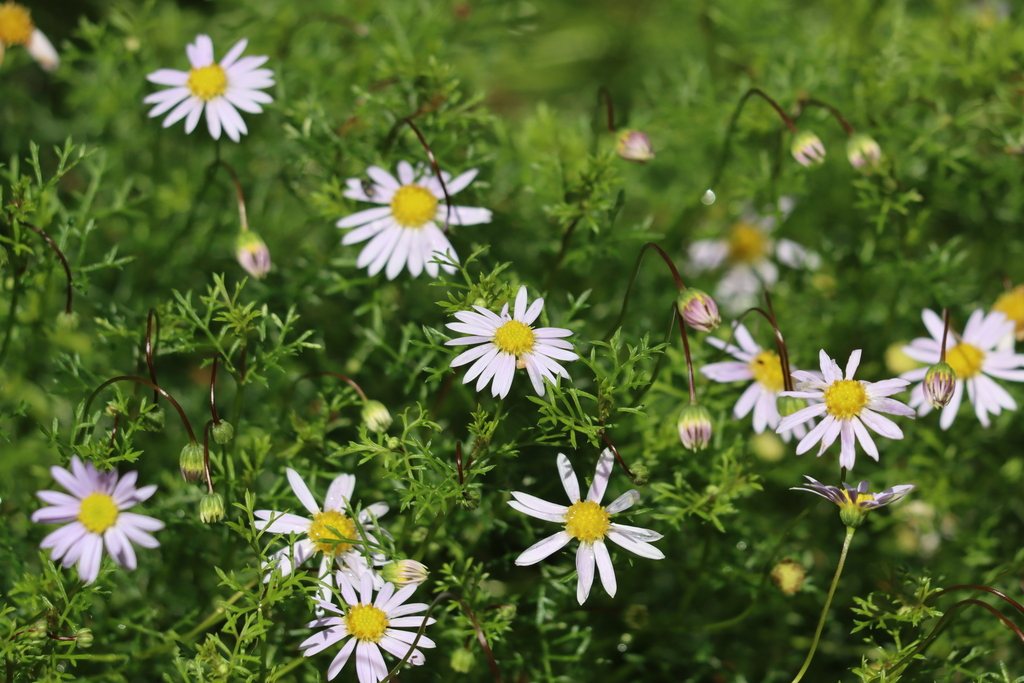
Cut-leaved Daisy is a low mound of fine, feathery leaves under small mauve-to-white daisies. It flowers from March to June, and native bees and small butterflies are recorded at the flowers. You don't need a garden: one pot in the sun will do.
Cut-leaved Daisy Brachyscome multifida
- Size
- 40 cm tall
- Flowers
- Mar–Jun
- Grows in
- Full sun, a pot or a garden edge unverified
- Local to
- New South Wales, Queensland, Victoria
Pot it up this weekend unverified
- Pick the pot: at least 25 to 30 cm across, with drainage holes. The plant will spill over the edge.
- Fill it with a native potting mix, and set the plant at the same depth it sat in its nursery pot.
- Find the sun: at least half a day of direct sun, on a balcony, a courtyard or a sunny step.
- Water when the top few centimetres of mix are dry. Don't leave the pot standing in a saucer of water.
- After flowering, trim it back by about a third to keep it compact and bring on new flowers.
Flowers month after month
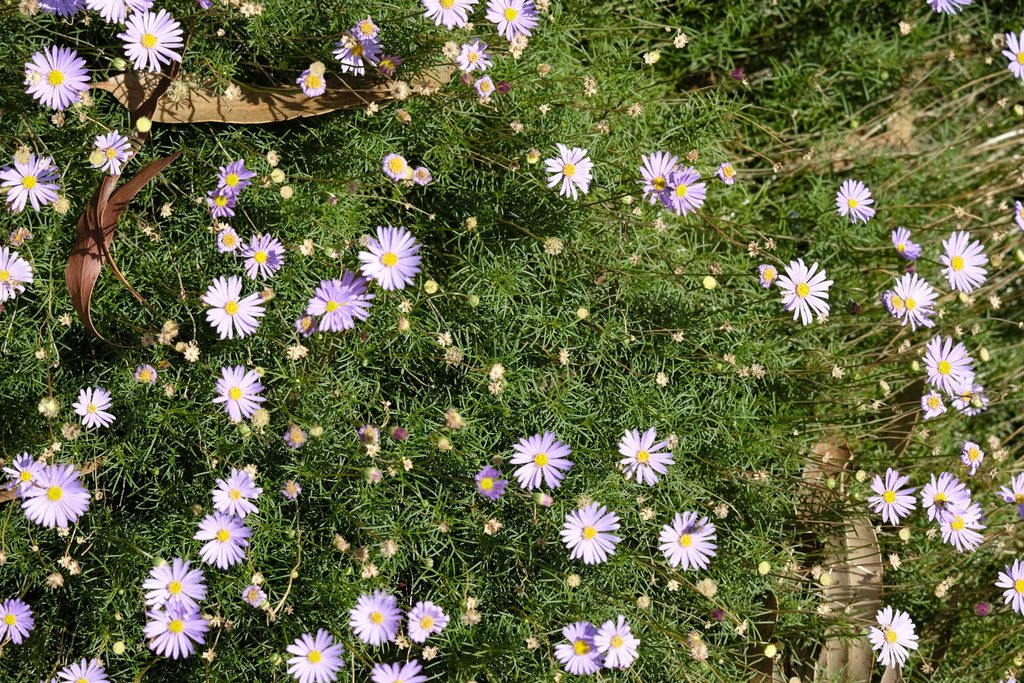
In full flower the leaves disappear under daisies. Snip off spent heads and new buds keep coming. unverified
What you'll see
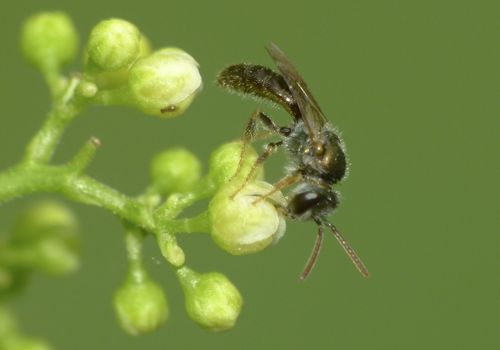 A native furrow bee unverifiedvisits the flowersLasioglossum urbanum
- Common Grass-Bluevisits the flowersZizina otis
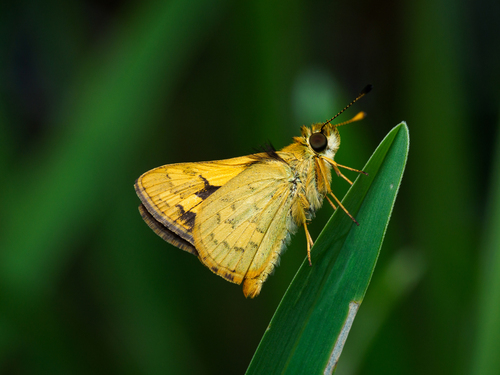 Green Grass-dartvisits the flowersOcybadistes walkeri
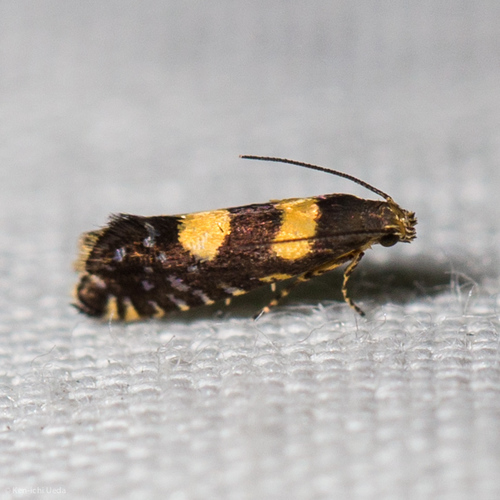 Sedge Mothvisits the flowersGlyphipterix chrysoplanetis
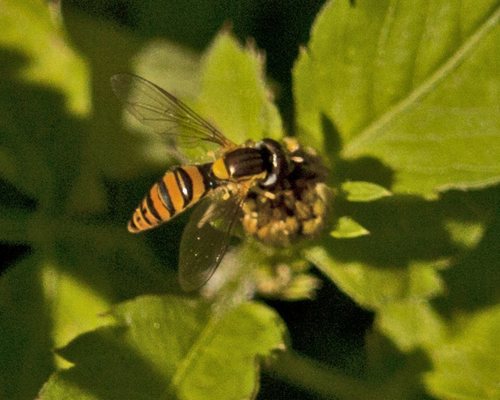 A hover fly unverifiedvisits the flowersSphaerophoria macrogaster
Wildlife records from GloBI and the Atlas of Living Australia. Everything recorded on Cut-leaved Daisy.
Why a native daisy
Cut-leaved Daisy grows wild in New South Wales, Queensland and Victoria, and wildlife records list native bees, butterflies, moths and flies at its flowers.
Live outside New South Wales, Queensland or Victoria?
Cut-leaved Daisy grows wild in those states. Elsewhere, grow a daisy or groundcover that grows wild near you: local daisies and flowering groundcovers for your region, or search your suburb.
Size, flowering and range: AusTraits and the Australian Plant Census. Lines marked unverified are general gardening advice we have not yet checked against a published source.