Dwarf Apple
Angophora hispida
Dwarf Apple is a shrub native to New South Wales, usually about 3 m tall in a garden. It feeds 39 kinds of wildlife. It is in the local plant lists of 552 suburbs.
- Type
- Shrub
- Garden height
- 3 m
- Tallest in the wild
- 8 m
- Flower colour
- white cream
- Family
- Myrtaceae
- Native to
- New South Wales
Photo: ronavery, CC BY, via iNaturalist
Wildlife it feeds
Flowers visited by
- Punctate Flower Chafer2 records
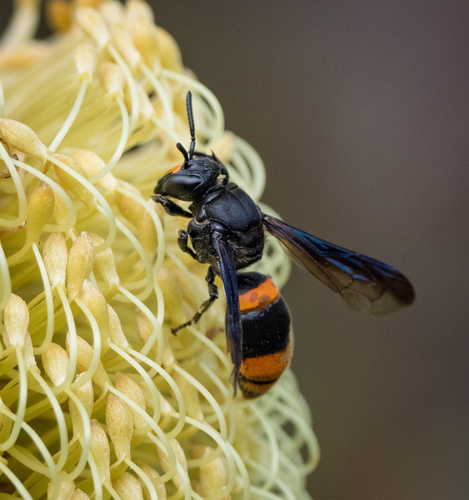 Common Wasp-mimic Bee1 record
- Bisallardiana gymnopleura1 record
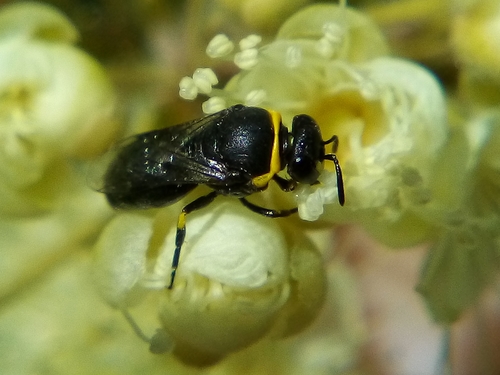 Yellow-collared Masked Bee1 record
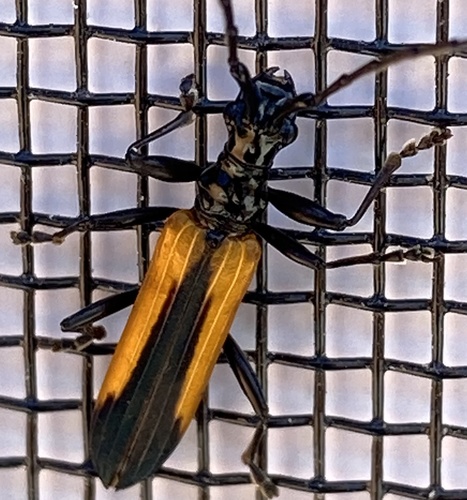 Stinking Longicorn1 record
- Fiddler Beetle1 record
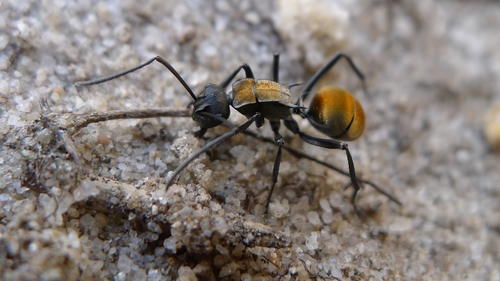
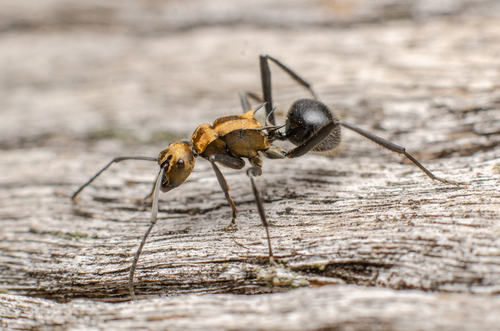
- Golden Flumed Sugar Ant1 record
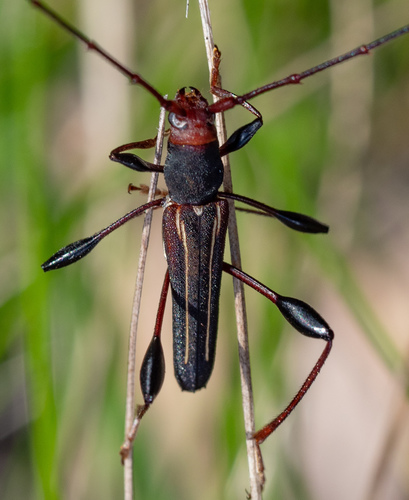 Amphirhoe sloanei1 record
- Syllitus rectus1 record
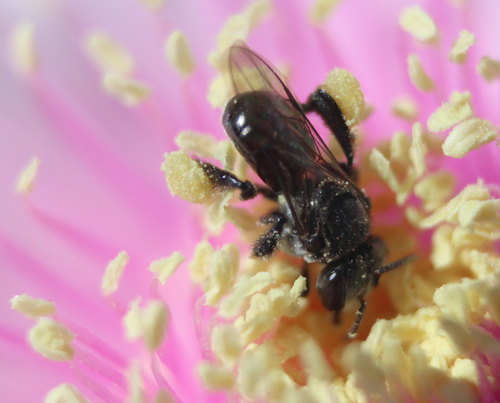 Charcoal Stingless Bee1 record
Eaten by
- Fiddler Beetle4 records
- Splendid Ochre2 records
- Charcoal Stingless Bee2 records
- Common Wasp-mimic Bee2 records
- Postage Stamp Jewel Beetle2 records
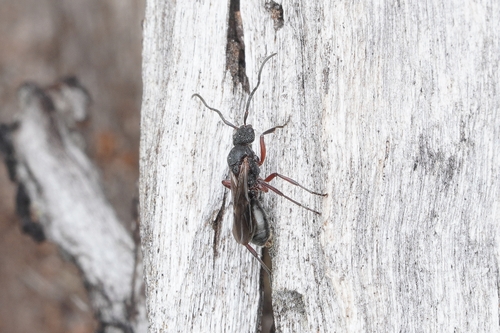 Dolly Ant2 records
- Southern Meat Ant2 records
- Punctate Flower Chafer2 records
- Yellow-collared Masked Bee2 records
- Tiger Longhorn1 record
- Castiarina bella1 record
- Castiarina sexguttata1 record
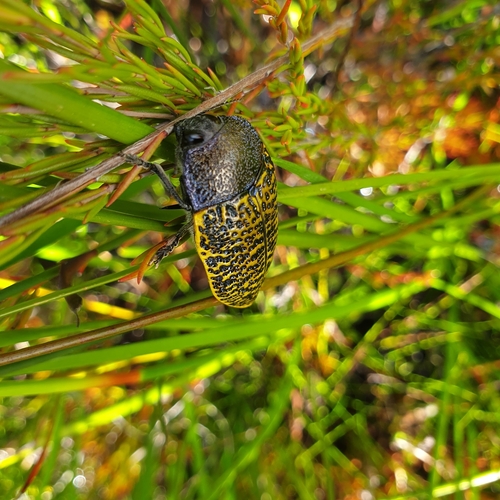 Stigmodera Macularia1 record
- Castiarina erythroptera1 record
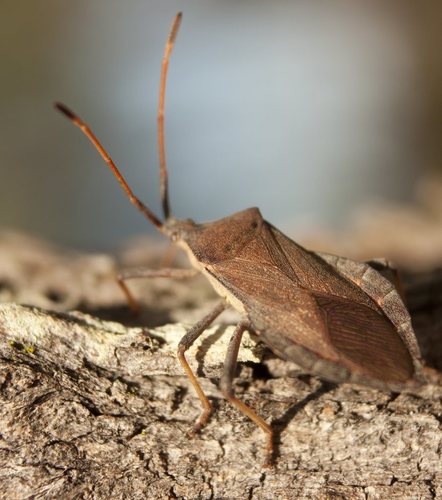 Leaf-footed Bug1 record
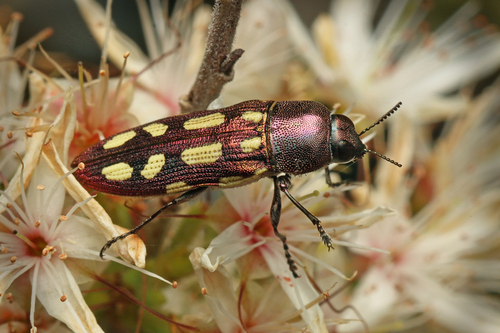 Castiarina parallela1 record
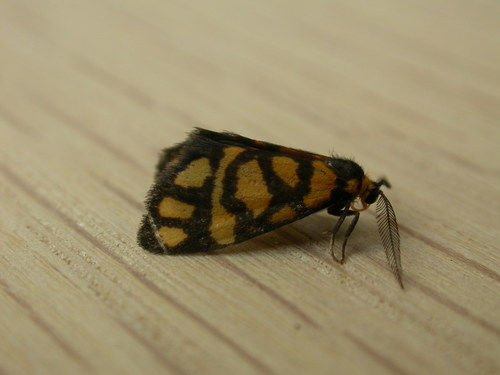 Lydia Lichen Moth1 record
- Castiarina indistincta1 record
- White-marked Masked Bee1 record
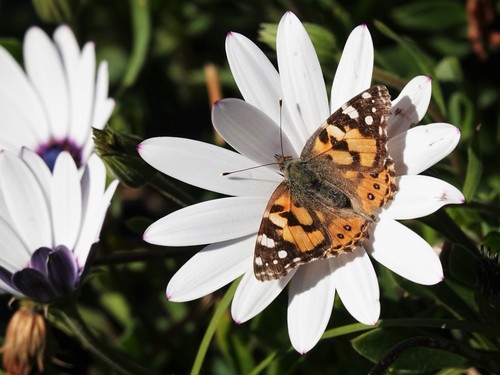 Australian Painted Lady1 record
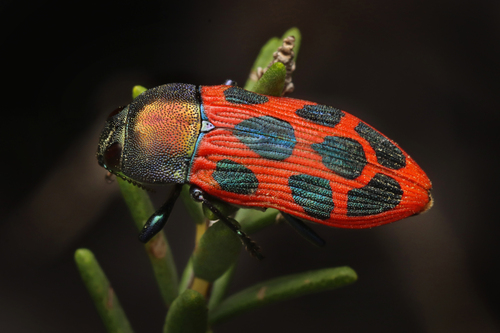 Castiarina octomaculata1 record
- Temognatha suturalis1 record
- Castiarina klugii1 record
- Castiarina vicina1 record
- Fire Beetle1 record
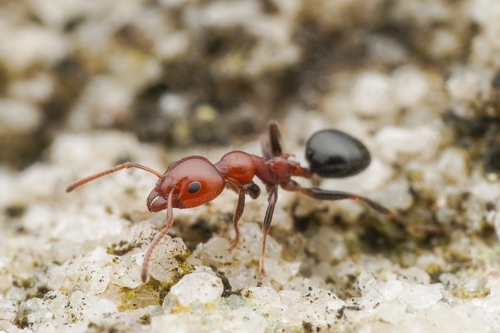 Common Froglet Ant1 record
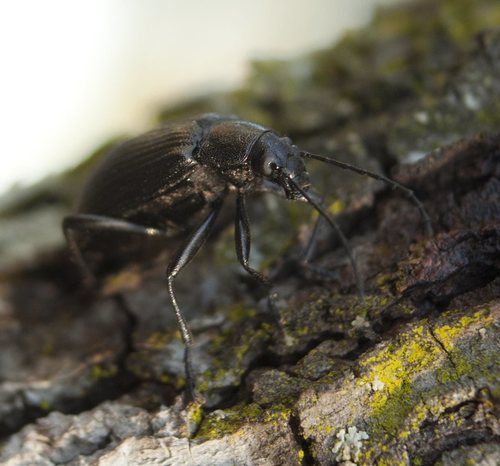 Lepturidea viridis1 record
- Banksia Jewel Beetle1 record
Also recorded with
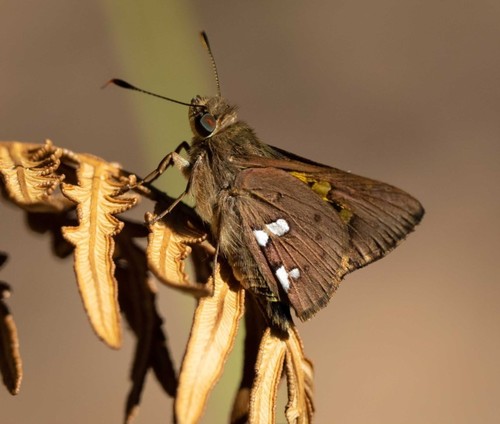
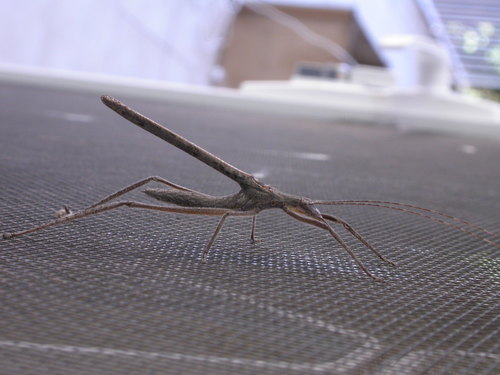
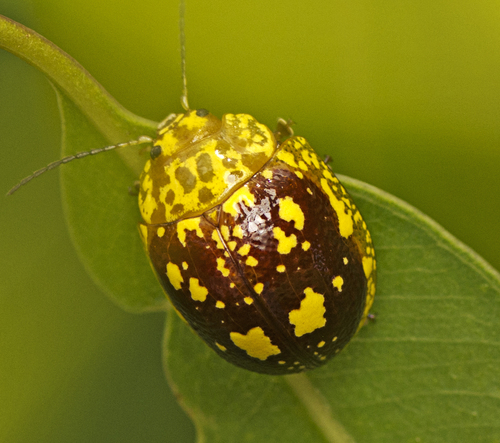
Photos
- Photo: ronavery, CC BY, via iNaturalist
- Photo: Sofia Zvolanek, CC BY, via iNaturalist
- Photo: James K. Douch, CC BY-SA, via iNaturalist
- Photo: Bryce Watts-Parker, CC BY, via iNaturalist
Where it grows naturally
Native to New South Wales. It ranks high in the local plant lists of these suburbs:
Related plants
Sources
Native range: Australian Plant Census and Alien Flora of Australia, with herbarium specimens for each bioregion. Size, flowering and form: AusTraits 7.0.0. Records: GBIF and the Atlas of Living Australia. Wildlife links: GloBI and the studies cited on each animal page. All sources