Windy coastal balcony?
Salt. Wind. Sand. It doesn't care.
Pigface is a low, spreading succulent that grows wild on coastal sand. Its fleshy leaves shrug off salt spray and wind, and it has big pink daisy-like flowers, recorded most of the year. On a balcony that cooks most plants, one pot of it will do fine. unverified
Pigface Carpobrotus glaucescens
- Size
- 25 cm tall
- Flowers
- most of the year
- Grows in
- Full sun, sandy mix, salt and wind unverified
- Local to
- New South Wales, Queensland, Victoria
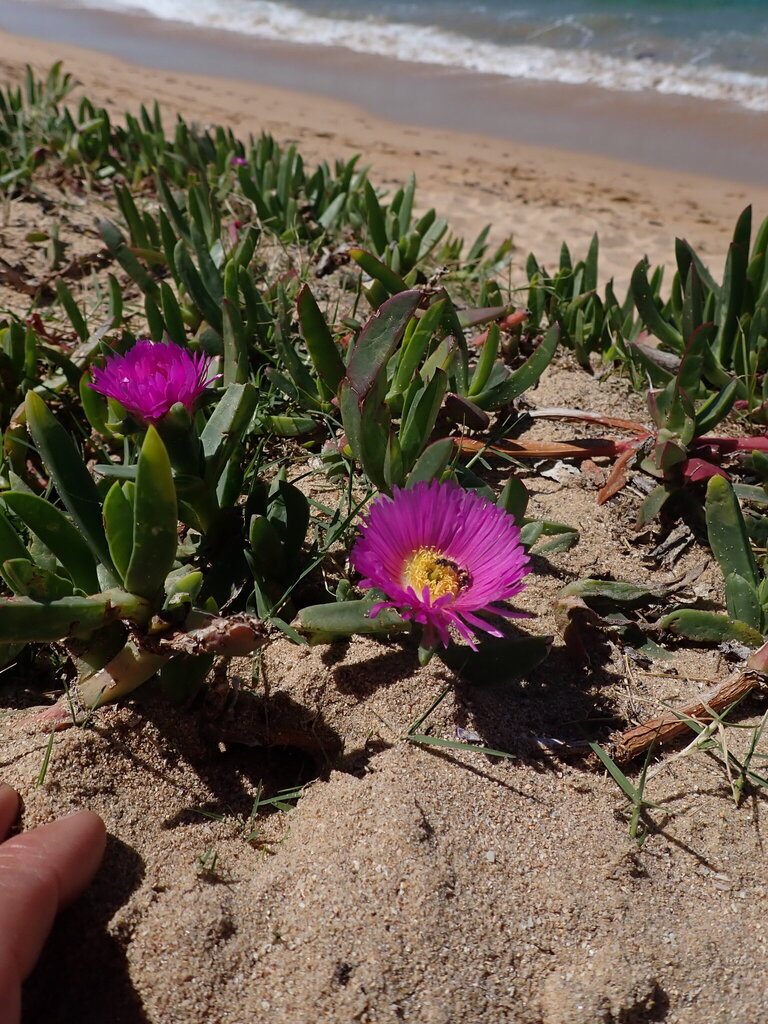
Pot it up this weekend unverified
- Pick a wide pot, at least 30 cm across, with drainage holes. It spreads sideways and will spill over the edge.
- Fill it with a free-draining mix: cactus and succulent mix, or potting mix with a third coarse sand.
- Find the sun: the hottest, windiest spot you have. It needs full sun to flower well.
- Water only when the mix is dry right through, and less in winter. Overwatering is the main way to kill it.
- Trim stems that hang too far, and push the cuttings into the same pot; they root easily.
Buy the native one
Several pigfaces are sold. The South African Hottentot Fig (Carpobrotus edulis) is a weed in coastal bushland. Check the label says Carpobrotus glaucescens. unverified
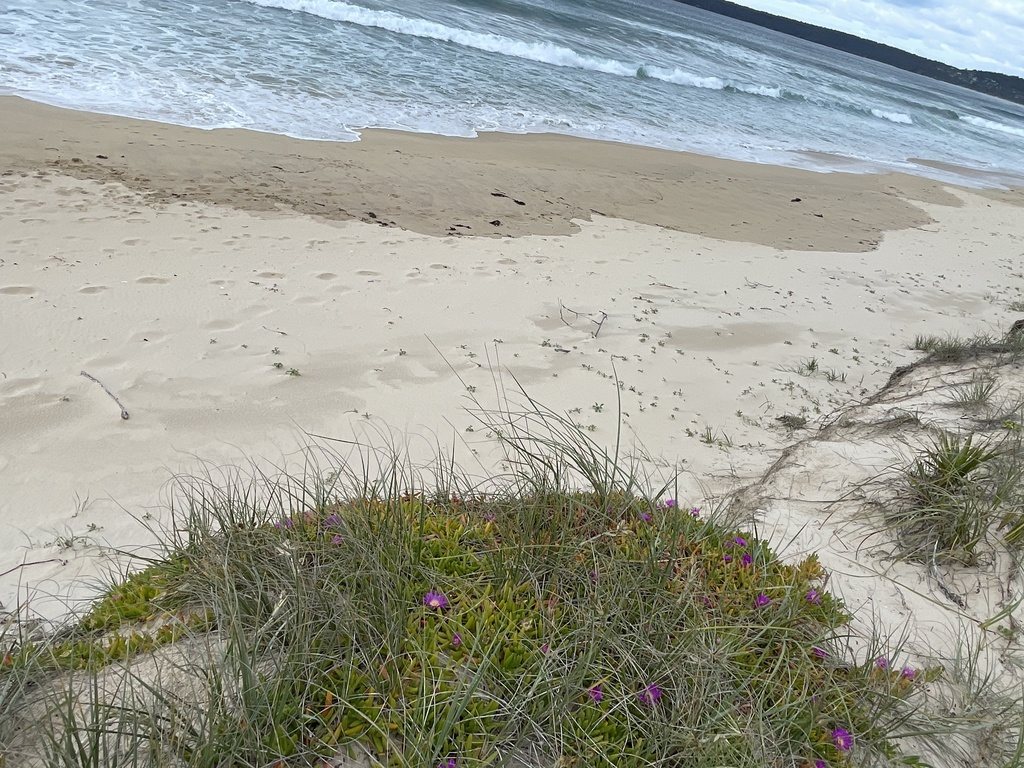
At home on a dune
In the wild it carpets coastal dunes, in full sun, wind and salt spray. That is your balcony. unverified
What you'll see
- A native furrow bee unverifiedvisits the flowersLasioglossum exlautum
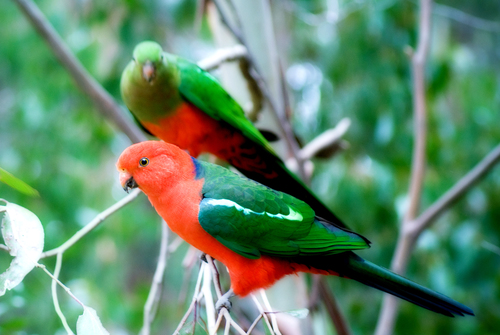 Australian King Parrotrecorded eating itAlisterus scapularis
Wildlife records from GloBI and the Atlas of Living Australia. Everything recorded on Pigface.
Why Pigface
Pigface grows wild in Queensland, New South Wales and Victoria, and wildlife records list a native bee at its flowers and King Parrots eating it.
Live outside New South Wales, Queensland or Victoria?
Pigface grows wild in those states. Elsewhere, grow a coastal groundcover that grows wild near you: local flowering groundcovers for your region, or search your suburb.
Size, flowering and range: AusTraits and the Australian Plant Census. Lines marked unverified are general gardening advice we have not yet checked against a published source.