Sticky Hop-bush
Dodonaea viscosa
Sticky Hop-bush is a shrub native to New South Wales, Victoria, Queensland, Western Australia, South Australia, Tasmania, Australian Capital Territory, Northern Territory, usually about 4 m tall in a garden. It feeds 20 kinds of wildlife, including the threatened Gang-gang Cockatoo. It is in the local plant lists of 6,868 suburbs.
Weedy outside its range. On the environmental weed list for Western Australia, where it spreads beyond its natural range. Plant it only where it grows wild.
- Type
- Shrub
- Garden height
- 4 m
- Tallest in the wild
- 8 m
- Flower colour
- green
- Family
- Sapindaceae
- Native to
- New South Wales, Victoria, Queensland, Western Australia, South Australia, Tasmania, Australian Capital Territory, Northern Territory
Photo: Sofia Zvolanek, CC BY, via iNaturalist
Wildlife it feeds
Threatened wildlife that uses it
Caterpillar or larval food plant for
Flowers visited by
Eaten by
- Gang-gang Cockatoo1 recordEndangered
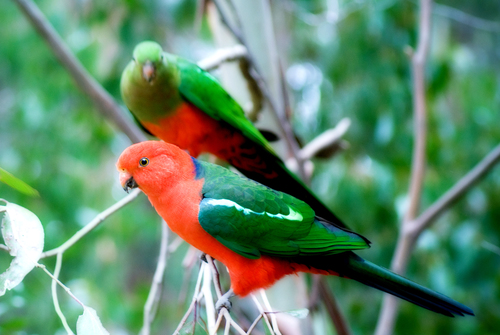 Australian King Parrot3 records
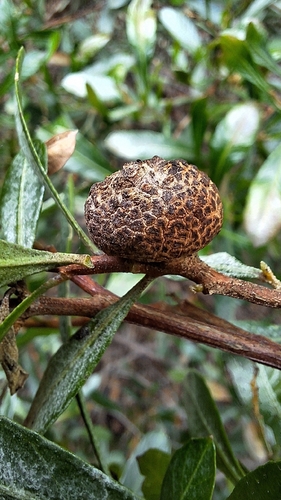 Asphondylia dodonaeae1 record
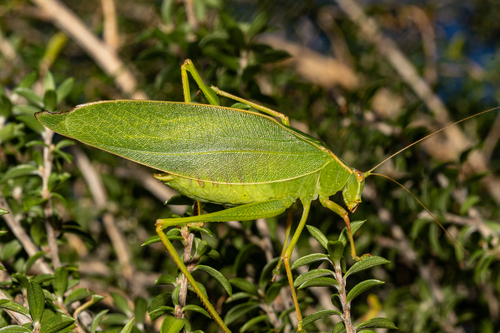 Common Garden Katydid1 record
- Red Jewel Bug1 record
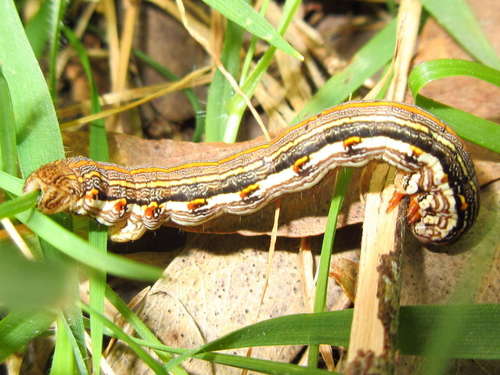 Geometer Moth1 record
- Mcateella kwoki1 record
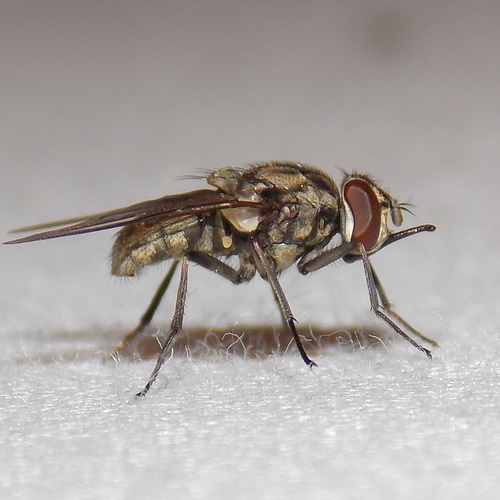 Stable Fly1 record
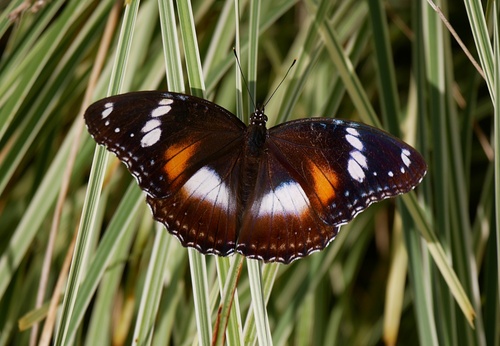 Varied Eggfly1 record
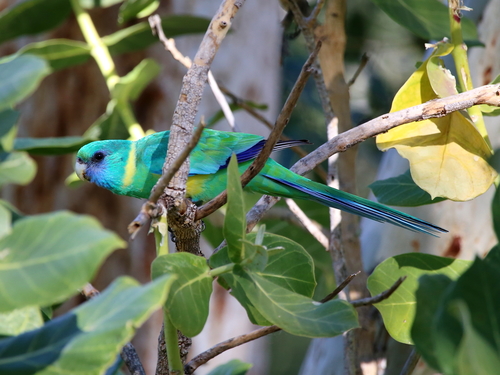 Australian Ringneck1 record
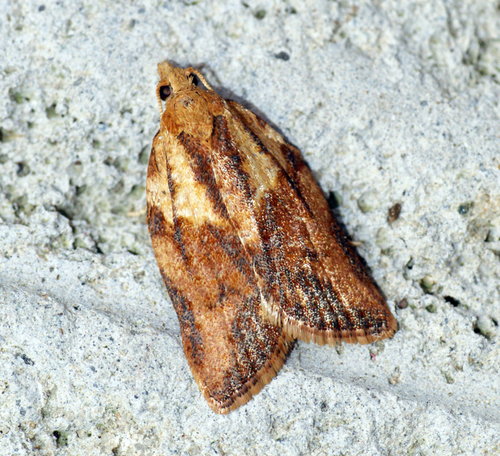 Light Brown Apple Moth1 record
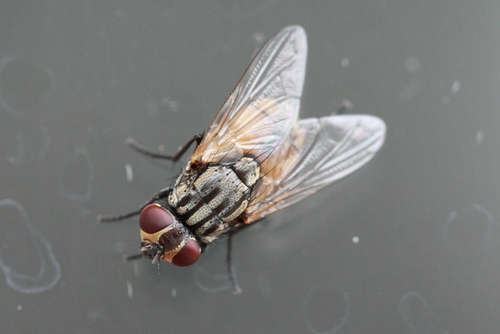 Common House Fly1 record
Also recorded with
- Asphondylia dodonaeae16 records
- Hop-bush Leaf Beetle6 records
- Red Jewel Bug4 records
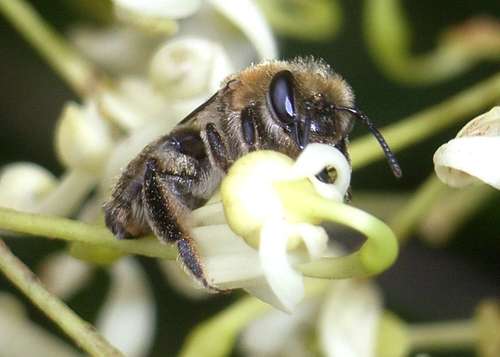 Loveable Leioproctus1 record
- Light Brown Apple Moth1 record
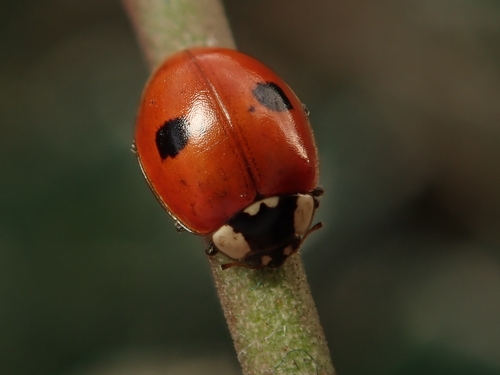 Two-spotted Lady Beetle1 record
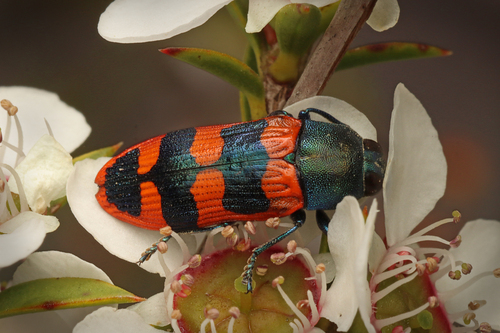 Castiarina crenata1 record
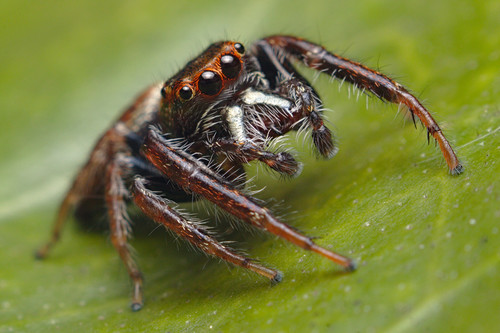 Cyclops Jumping Spider1 record
- Common Garden Katydid1 record
 Eleven-spotted Ladybird Beetle1 record
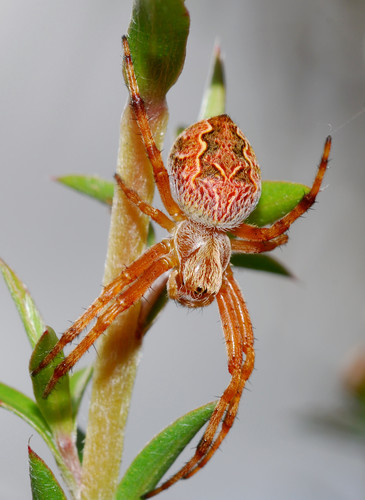 Sooty Orbweaver1 record
Photos
- Photo: Sofia Zvolanek, CC BY, via iNaturalist
- Photo: Greg Tasney, CC BY-SA, via iNaturalist
- Photo: Carmen, CC BY, via iNaturalist
- Photo: jirau, CC BY-SA, via iNaturalist
Where it grows naturally
Native to New South Wales, Victoria, Queensland, Western Australia, South Australia, Tasmania, Australian Capital Territory, Northern Territory. It ranks high in the local plant lists of these suburbs:
Related plants
Sources
Native range: Australian Plant Census and Alien Flora of Australia, with herbarium specimens for each bioregion. Size, flowering and form: AusTraits 7.0.0. Records: GBIF and the Atlas of Living Australia. Wildlife links: GloBI and the studies cited on each animal page. All sources