Still planting Agapanthus?
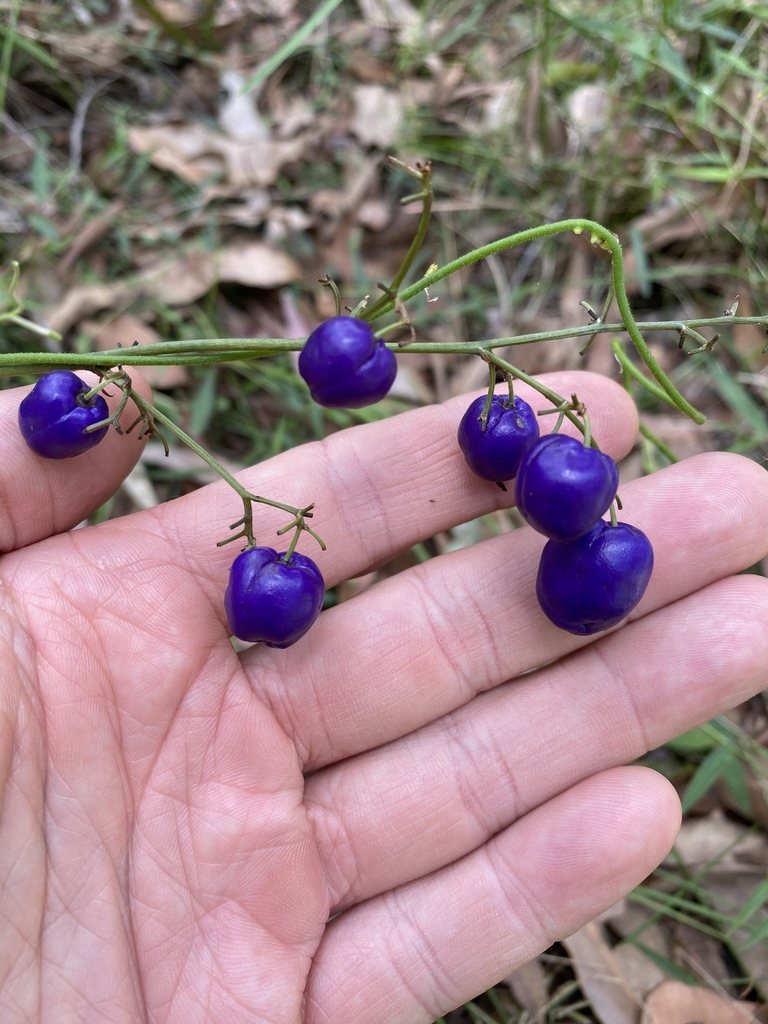
Blue flowers. Then blue berries.
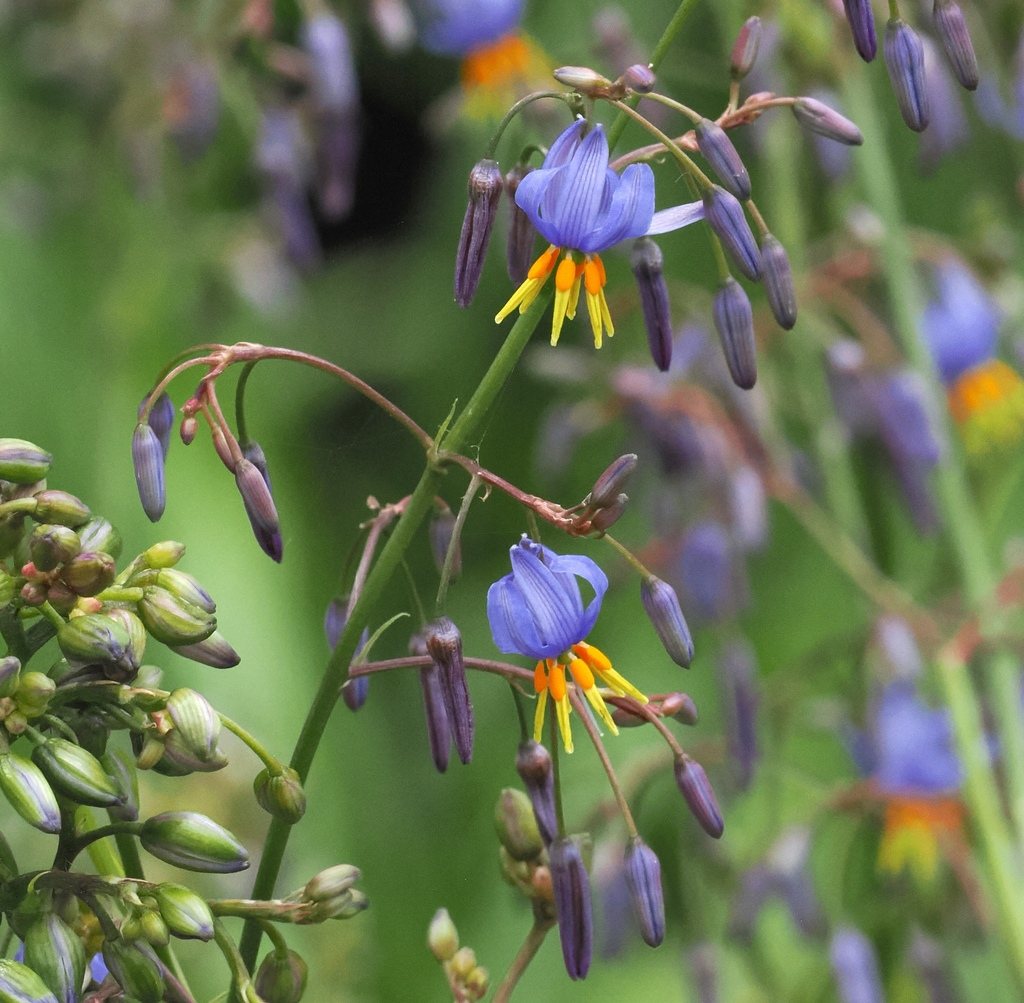
Blue Flax-lily fills the same spot as Agapanthus: a tidy, strappy clump along a path, a fence or under a tree. It flowers from September to February, then sets glossy blue berries. And it belongs here.
Blue Flax-lily Dianella caerulea
- Size
- 60 cm tall
- Flowers
- Sep–Feb
- Grows in
- Sun to part shade, pots and garden beds unverified
- Local to
- New South Wales, Queensland, Tasmania, Victoria
Plant it this weekend unverified
- Pick the spot. Full sun to part shade. Once settled it copes with dry shade under trees, where Agapanthus is often planted.
- In the ground: dig a hole twice as wide as the pot and just as deep, set the plant at the same level it sat in the pot, fill in and water well. No fertiliser needed.
- In a pot: use a pot at least 30 cm across with drainage holes, and a native potting mix.
- Water once or twice a week for the first two months, then only in long dry spells.
- Once a year, pull out dead leaves and cut off old flower stems. That is all the care it needs.
Taking out Agapanthus?
Cut the flower heads off before they set seed, then dig the clump out with its thick roots. Bin it; don't dump it where it can spread. unverified
Then blue berries
After the flowers come glossy, deep blue berries over summer. Leave them for the birds. unverified
What you'll see
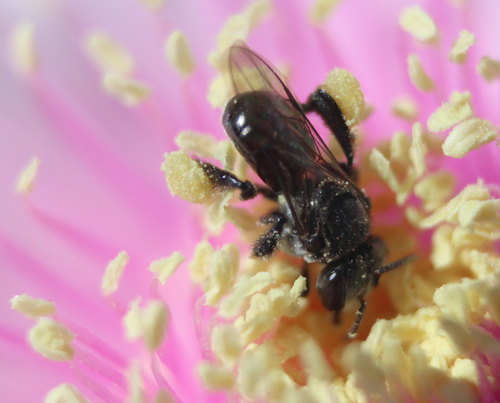 Charcoal Stingless Beevisit the flowersTetragonula carbonaria
- Dingy Grass-skipper unverifiedcaterpillars feed on the leavesToxidia peron
Blue-banded bees "buzz" the flowers to shake out pollen; flax-lilies are a known favourite. unverified
Wildlife records from GloBI and the Atlas of Living Australia. Everything recorded on Blue Flax-lily.
Why swap
Agapanthus seed spreads into bushland, and Victoria lists it as an environmental weed. Blue Flax-lily gives you the same strappy clump at about the same size, and it feeds local bees and butterflies.
Live outside New South Wales, Queensland, Tasmania or Victoria?
Blue Flax-lily grows wild in those states. Elsewhere, pick a swap that grows wild near you: Agapanthus swaps for your region, or search your suburb.
Size, flowering and range: AusTraits and the Australian Plant Census. Lines marked unverified are general gardening advice we have not yet checked against a published source.