Love the look of lavender?
Silver leaves. Lilac spikes. Local.
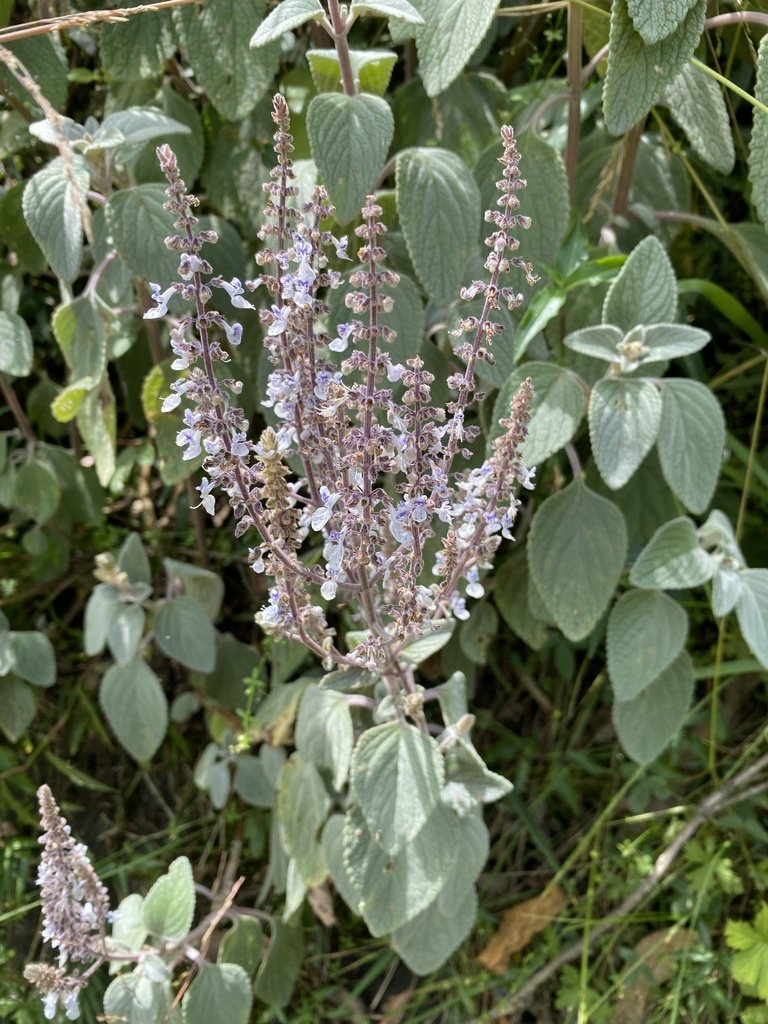
Silver Spurflower is a soft, mounding native about 1 m tall with velvety silver leaves and spikes of small lilac flowers, from December to May. It gives the grey, soft look of lavender, and it grows wild in Queensland and New South Wales.
Silver Spurflower Coleus argentatus also sold as Plectranthus argentatus
- Size
- 1 m tall
- Flowers
- Dec–May
- Grows in
- Sun or part shade, well-drained soil unverified
- Local to
- New South Wales, Queensland
Plant it this weekend unverified
- Pick the spot: sun or part shade, in soil that drains. It copes with the humid summers that rot lavender.
- Plant it at the same depth it sat in its pot, about 80 cm apart in a row or a drift, and water well.
- In a pot, use one at least 30 cm across with a native potting mix.
- Water weekly for the first month or two, then only in long dry spells.
- After flowering, cut the spent spikes off and trim it back by a third to keep it compact.
Taking out lavender?
Dig it out with its roots. Lavender doesn't spread, so there is no rush: swap it when it gets woody. unverified
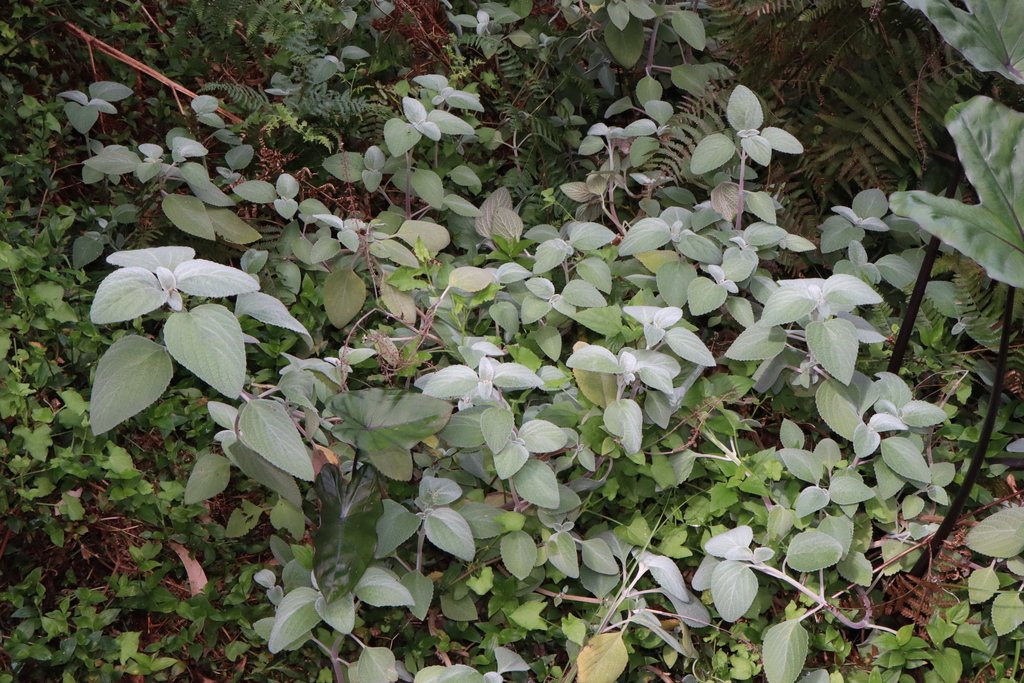
Silver all year
Out of flower it is still a soft silver mound, the same grey note lavender brings to a bed. unverified
What you'll see
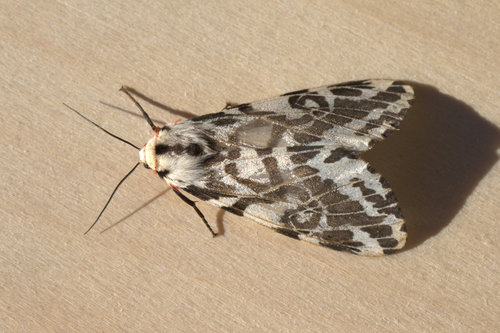 Black-and-white Tiger Mothrecorded feeding on itArdices glatignyi
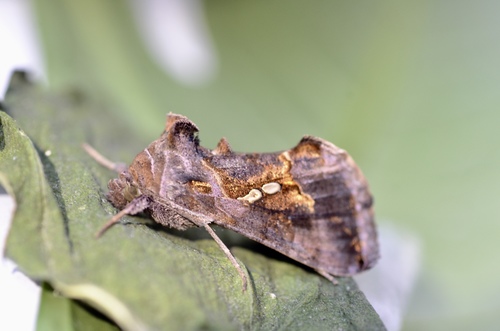 Green Garden Looperrecorded on itChrysodeixis eriosoma
- Froghopperrecorded feeding on itBathyllus albicinctus
Wildlife records from GloBI and the Atlas of Living Australia. Everything recorded on Silver Spurflower.
Why swap
Lavender: Grey-leaved local natives give the same soft look and feed native bees. Silver Spurflower grows wild in Queensland and New South Wales and gives you the silver leaves.
Live outside New South Wales or Queensland?
Silver Spurflower grows wild in those states. Elsewhere, pick a swap that grows wild near you: Lavender swaps for your region, or search your suburb.
Size, flowering and range: AusTraits and the Australian Plant Census. Lines marked unverified are general gardening advice we have not yet checked against a published source.