Castor Semi-looper
Achaea janata
The Castor Semi-looper (Achaea janata) is a moth recorded in Australia 1,880 times. 14 native plants are known to feed or shelter it.
Photo: Aalbert Rebergen, CC BY, via iNaturalist
Plants to grow for it
-
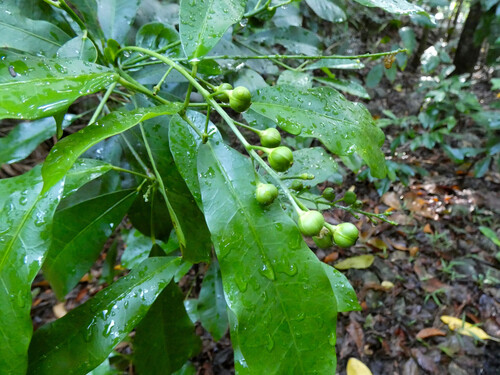 Variegated CrotonCodiaeum variegatum
Feeds 1 kind of wildlifeCaterpillar food, Eaten
-
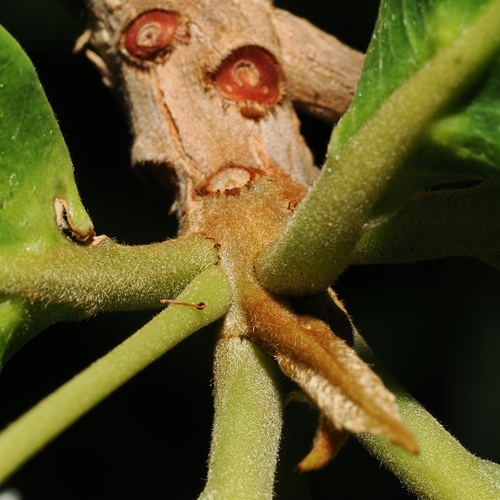 Indian AlmondTerminalia catappa
Food for the Spectacled Flying-foxFeeds 26 kinds of wildlifeCaterpillar food, Eaten
-
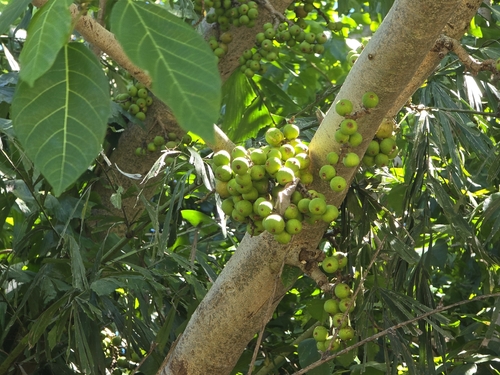 Cluster FigFicus racemosa
Food for the Spectacled Flying-foxFeeds 17 kinds of wildlifeBig rootsEaten
-
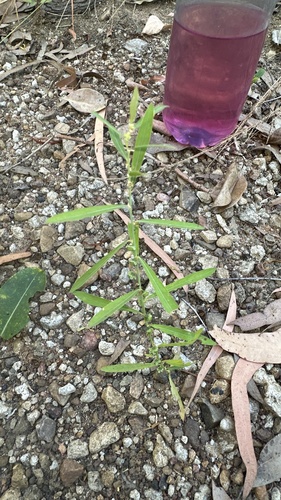 Madras Leaf-flowerPhyllanthus maderaspatensis
Feeds 1 kind of wildlifeEaten
-
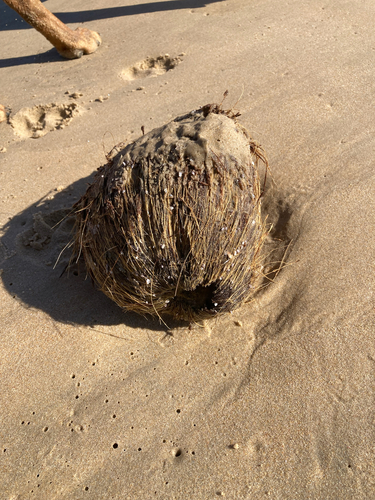 Coconut PalmCocos nucifera
Feeds 26 kinds of wildlifeCaterpillar food, Eaten
-
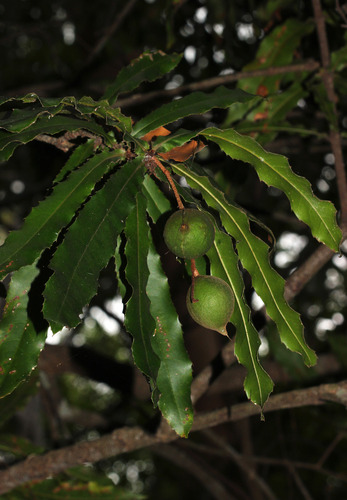 Rough-shell Queensland NutMacadamia tetraphylla
Feeds 6 kinds of wildlifeCaterpillar food, Eaten
-
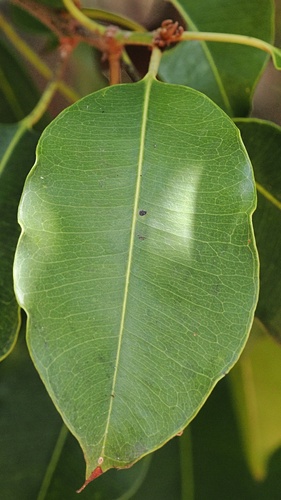 MamajenMimusops elengi
Feeds 5 kinds of wildlifeCaterpillar food, Eaten
-
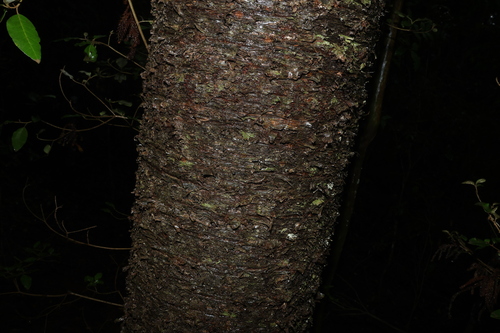 Hoop PineAraucaria cunninghamii
Feeds 5 kinds of wildlifeCaterpillar food
-
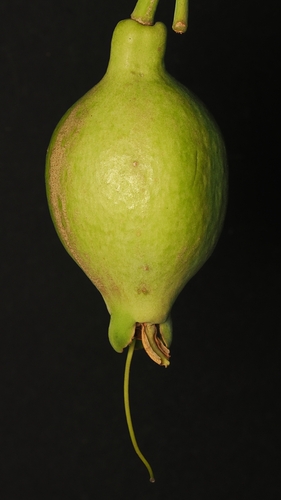 Billy Goat PlumPlanchonia careya
Feeds 10 kinds of wildlifeCaterpillar food
-
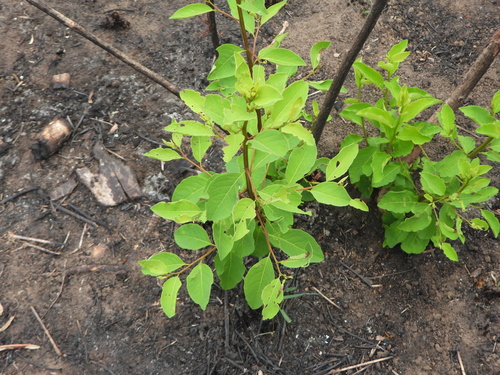 SnowberrytreeFlueggea virosa
Feeds 4 kinds of wildlifeCaterpillar food
-
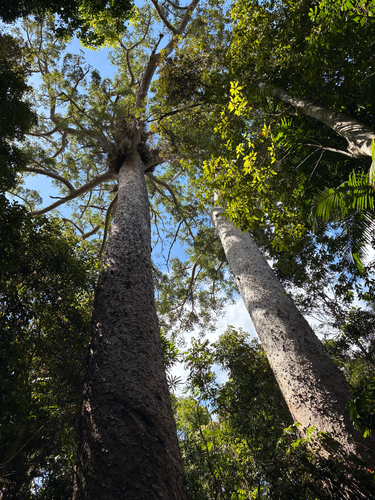 Queensland KauriAgathis robusta
Feeds 5 kinds of wildlifeCaterpillar food
-
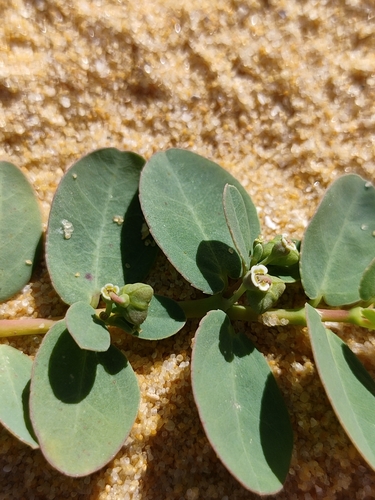 Sweet SpurgeEuphorbia psammogeton
Feeds 1 kind of wildlifeToxic to petsCaterpillar food
-
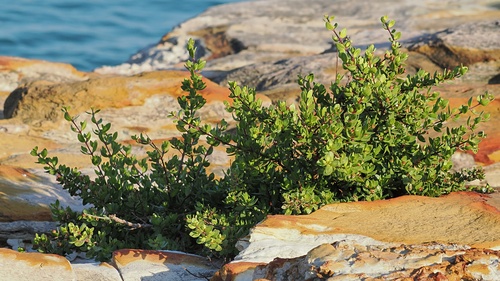 BantiguePemphis acidula
Feeds 3 kinds of wildlifeCaterpillar food
-
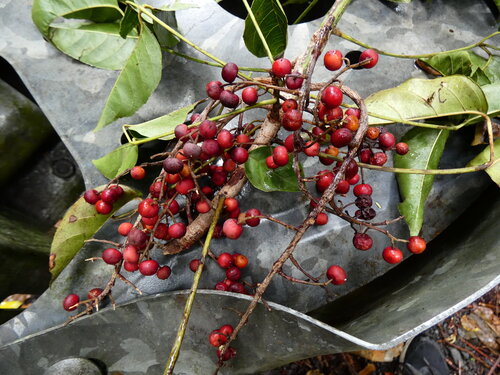 Bishop WoodBischofia javanica
Feeds 11 kinds of wildlifeCaterpillar food
Sources
- Edward Baker; Ian Kitching; George W Beccaloni; Amoret Whitaker; Steen Dupont; Vincent Smith; John S Noyes (2017). NHM Interactions Bank. https://doi.org/10.5519/0060767. Accessed at <https://data.nhm.ac.uk/dataset/82e807f0-6273-4f19-be0a-7f7558442a25/resource/f84ad9f1-bd0c-4811-8108-8dcd83f224a4/do
- Gaden S. Robinson; Phillip R. Ackery; Ian Kitching; George W Beccaloni; Luis M. Hernández (2023). HOSTS (from HOSTS - a Database of the World's Lepidopteran Hostplants) [Data set resource]. Natural History Museum. https://data.nhm.ac.uk/dataset/hosts/resource/877f387a-36a3-486c-a0c1-b8d5fb69f85a via
- Martignoni, M.E. and Iwai, P.J. A catalogue of viral diseases of insects, mites and ticks. Appendix 2 [pp. 899-912] In, H.D. Burges (ed.) Microbial Control of Pests and Plant Diseases, 1970-1980. London: Academic Press, 1981. 949 pp.; Steinhaus, E.A.; and Marsh, G.A. 1967. Previously unreported acce
- Martignoni, M.E., and Iwai, P.J., 1986. A Catalogue of Viral Diseases of insects, Mites, and Ticks. USDA Forest Service, Pacific Northwest Research Station, Portland, OR, General Technical Report PNW-195, 4th edition,51 pp.
- Sprague, V. 1977. Annotated List of Species of Microsporidia. pp. 31-334. In Bulla, L.A. and Cheng, T.C. [eds.], Comparative Pathobiology V. 2; Systematics of the Microsporidia. Plenum Press, New York; Tanabe, A.M., and Tamshiro, M. 1967. The biology and pathogenicity of a microsporidian (Nosema tri
- iNaturalist observation
- iNaturalist observation
- iNaturalist observation
- iNaturalist observation