Indian Almond
Terminalia catappa
Indian Almond is a large tree native to Queensland, Northern Territory, usually over 25 m tall. It feeds 26 kinds of wildlife, including the threatened Spectacled Flying-fox. It is in the local plant lists of 117 suburbs.
- Type
- Large tree
- Garden height
- over 25 m
- Family
- Combretaceae
- Native to
- Queensland, Northern Territory
Photo: Roland Muench, CC BY, via iNaturalist
Wildlife it feeds
Threatened wildlife that uses it
Caterpillar or larval food plant for
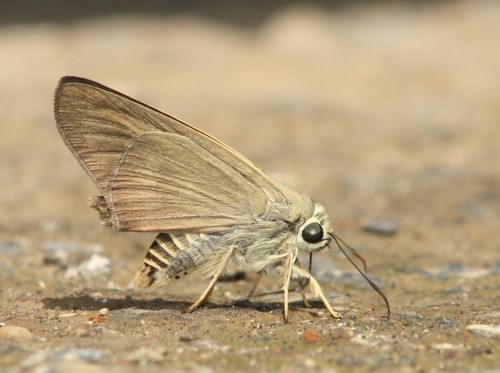 Narrow-winged Awl8 records
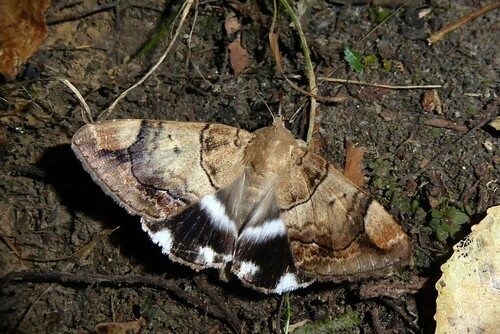 Castor Semi-looper3 records
- Yellow Underwing2 records
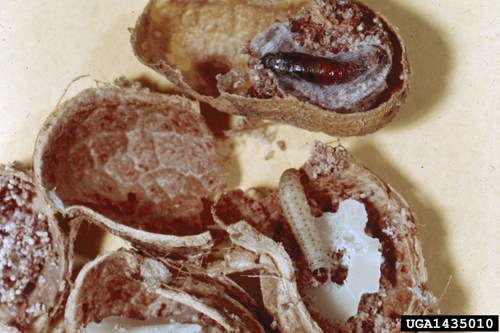 Almond Moth2 records
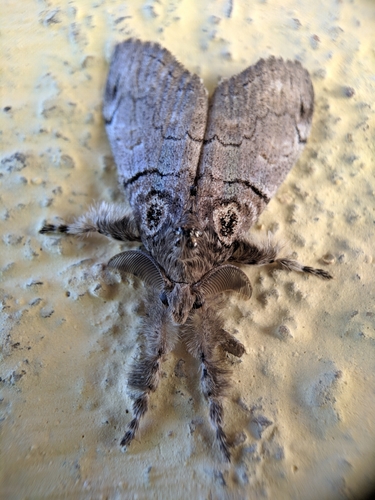 Brown Tussock Moth2 records
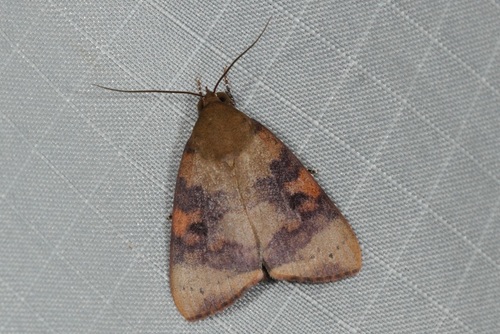 Maurilia iconica2 records
- Striglina buergersi1 record
- Green Drab1 record
- Thyas miniacea1 record
Eaten by
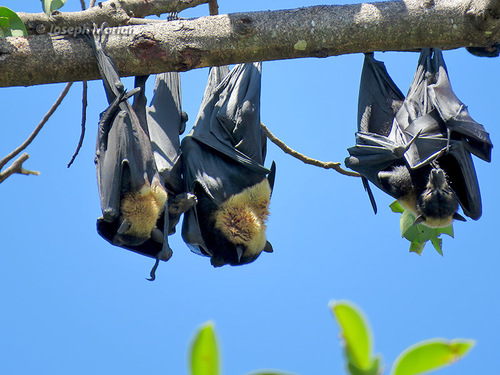 Spectacled Flying-fox4 recordsEndangered
- Red-tailed Black Cockatoo4 recordsEndangered in SA
- Narrow-winged Awl5 records
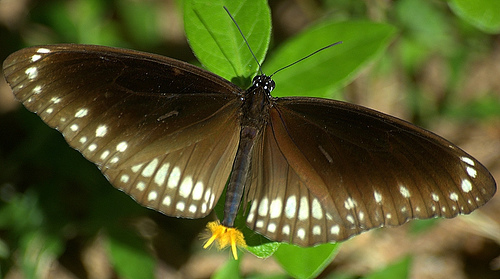 Common Indian Crow5 records
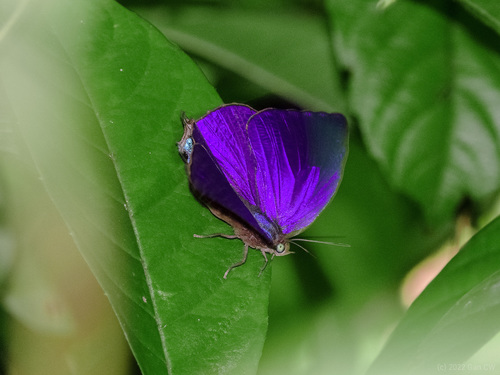 Dull Oak-blue3 records
- Castor Semi-looper3 records
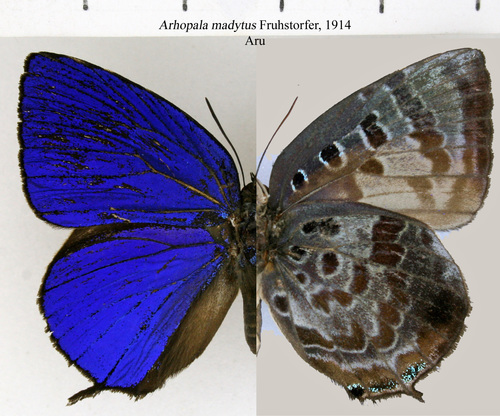 Bright Oak-blue3 records
- Thyas miniacea2 records
- Dark Cornelian2 records
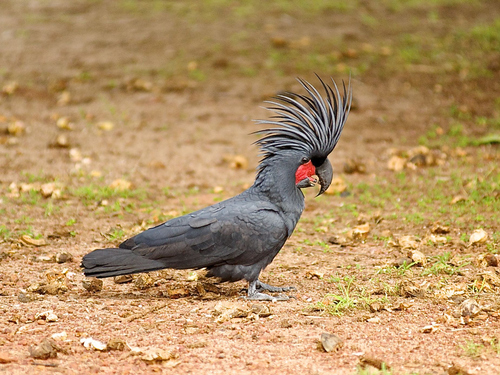 Palm Cockatoo1 record
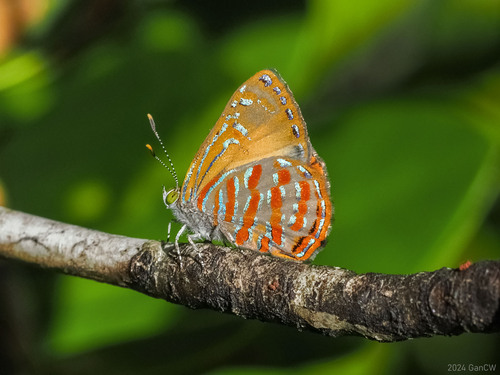 Copper Jewel1 record
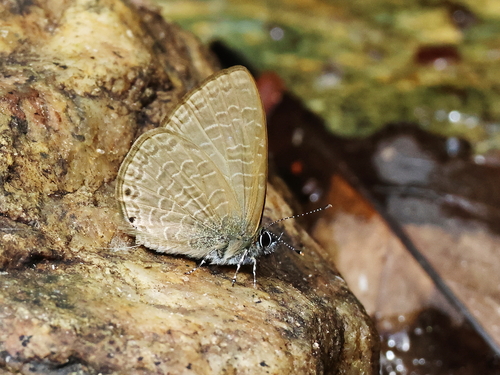 Mauve Line-blue1 record
- Maurilia iconica1 record
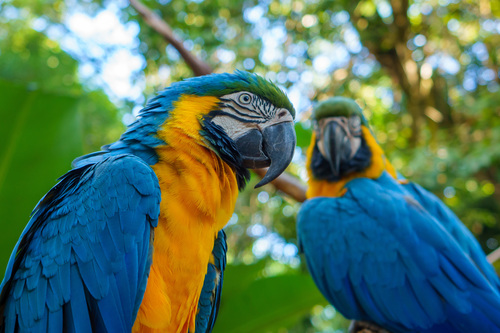 Blue-and-yellow Macaw1 record
- Giant Grasshopper1 record
- Purple Oak-blue1 record
- Cyphogastra pistor1 record
- Almond Moth1 record
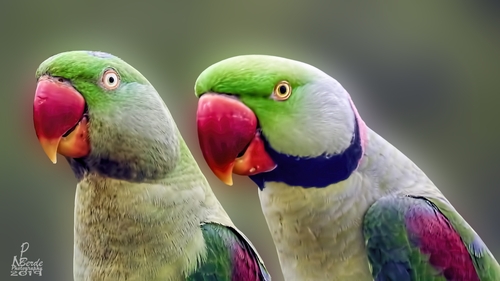 Alexandrine Parakeet1 record
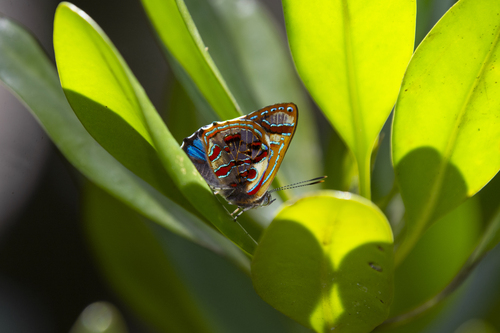 Narcissus Jewel1 record
Also recorded with
Photos
- Photo: Roland Muench, CC BY, via iNaturalist
- Photo: Tony Eales, CC BY-SA, via iNaturalist
- Photo: Matt B, CC BY, via iNaturalist
- Photo: Mark McVeigh, CC0, via iNaturalist
Where it grows naturally
Native to Queensland, Northern Territory. It ranks high in the local plant lists of these suburbs:
Related plants
Sources
Native range: Australian Plant Census and Alien Flora of Australia, with herbarium specimens for each bioregion. Size, flowering and form: AusTraits 7.0.0. Records: GBIF and the Atlas of Living Australia. Wildlife links: GloBI and the studies cited on each animal page. All sources