Little Red Flying-fox
Pteropus scapulatus
The Little Red Flying-fox (Pteropus scapulatus) is a mammal recorded in Australia 4,990 times. 45 native plants are known to feed or shelter it.
Photo: Rolf Lawrenz, CC BY, via iNaturalist
Plants to grow for it
-
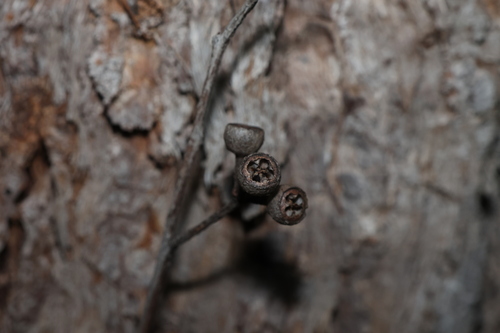 White MahoganyEucalyptus acmenoides
Food for the Greater Glider and othersFeeds 22 kinds of wildlifeFlowers visited, Eaten, Also recorded with
-
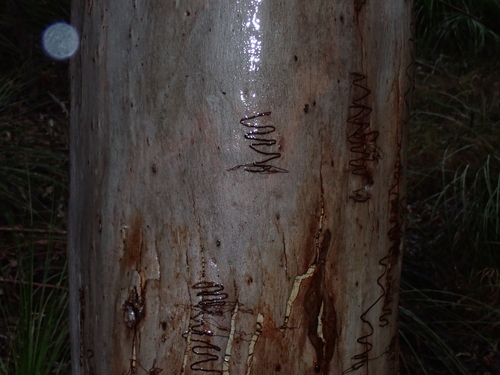 Northern Scribbly GumEucalyptus racemosa
Food for the Little Lorikeet and othersFeeds 20 kinds of wildlifeFlowers visited, Eaten
-
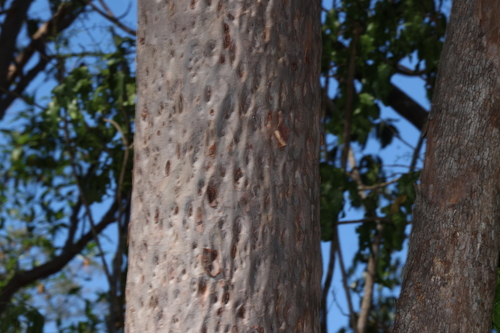 Northern Spotted GumCorymbia citriodora
Food for the Gang-gang Cockatoo and othersFeeds 19 kinds of wildlifeFlowers visited, Eaten, Also recorded with
-
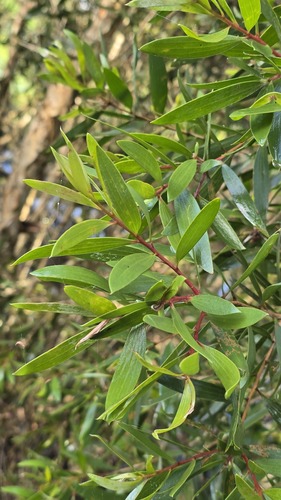 Broad-leaved PaperbarkMelaleuca quinquenervia
Food for the Grey-headed Flying-foxFeeds 90 kinds of wildlifeFlowers visited, Eaten, Also recorded with
-
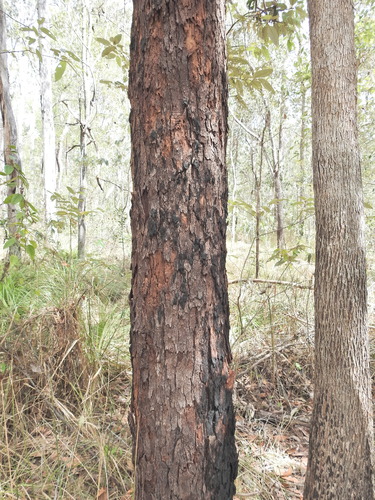 Pink BloodwoodCorymbia intermedia
Food for the Little Lorikeet and othersFeeds 19 kinds of wildlifeFlowers visited, Eaten, Also recorded with
-
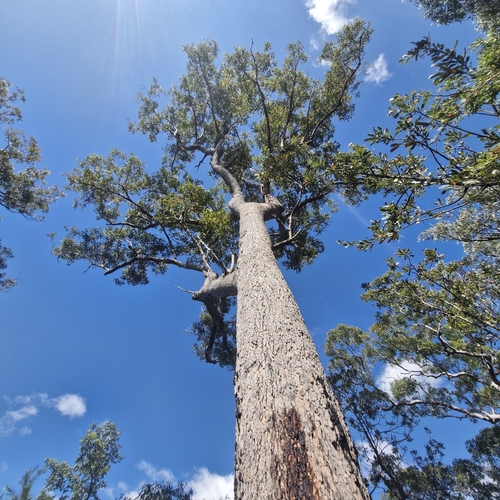 Red BloodwoodCorymbia gummifera
Food for the Gang-gang Cockatoo and othersFeeds 19 kinds of wildlifeAlso recorded with
-
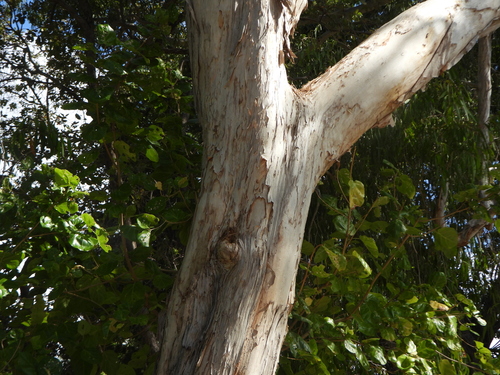 Weeping PaperbarkMelaleuca leucadendra
Feeds 21 kinds of wildlifeFlowers visited, Eaten, Also recorded with
-
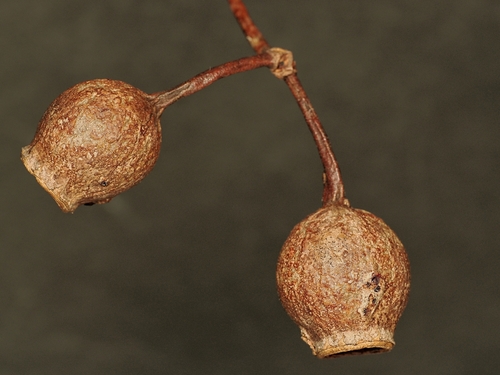 Grey BloodwoodCorymbia porrecta
Feeds 2 kinds of wildlifeFlowers visited, Also recorded with
-
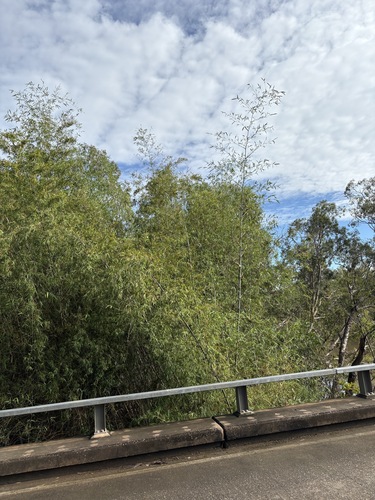 Top End BambooBambusa arnhemica
Feeds 2 kinds of wildlifeAlso recorded with
-
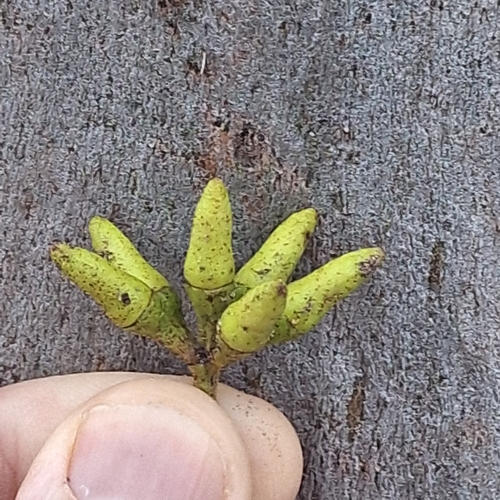 Forest Red GumEucalyptus tereticornis
Food for the Swift Parrot and othersFeeds 63 kinds of wildlifeAlso recorded with
-
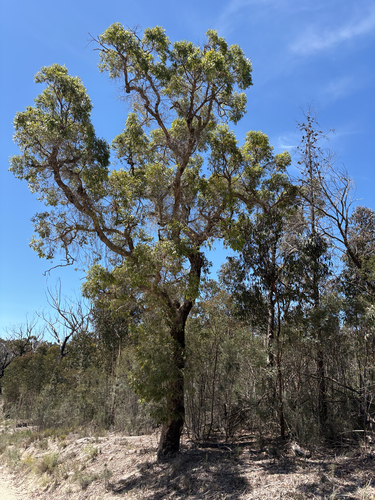 Rough-barked AppleAngophora floribunda
Feeds 49 kinds of wildlifeAlso recorded with
-
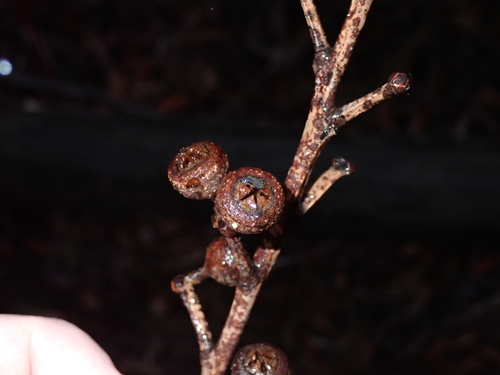 BlackbuttEucalyptus pilularis
Food for the Gang-gang Cockatoo and othersFeeds 22 kinds of wildlifeAlso recorded with
-
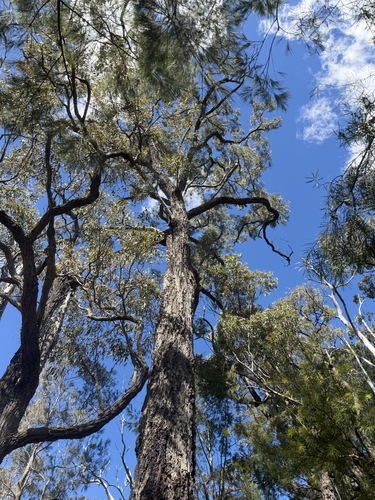 Southern Grey IronbarkEucalyptus paniculata
Food for the Little LorikeetFeeds 20 kinds of wildlifeAlso recorded with
-
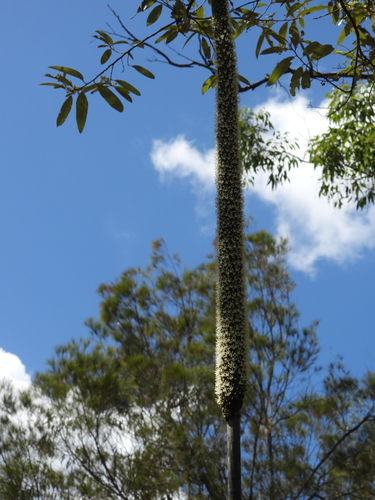 Forest GrasstreeXanthorrhoea johnsonii
Food for the Grey-headed Flying-foxFeeds 26 kinds of wildlifePricklyFlowers visited, Eaten
-
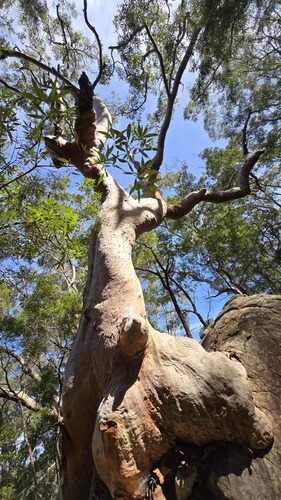 Smooth-barked AppleAngophora costata
Feeds 18 kinds of wildlifeAlso recorded with
-
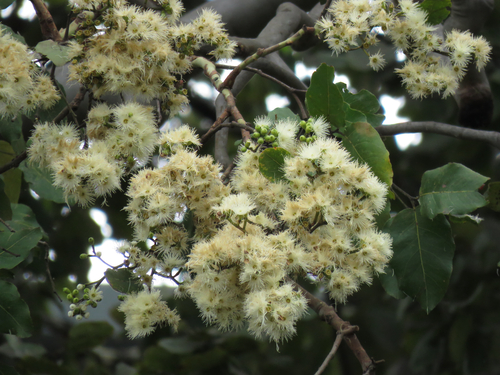 CadaghiCorymbia torelliana
Feeds 8 kinds of wildlifeFlowers visited, Eaten
-
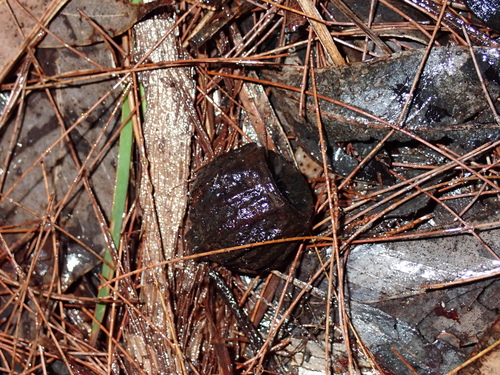 NeedlebarkEucalyptus planchoniana
Food for the Little Lorikeet and othersFeeds 15 kinds of wildlifeFlowers visited, Eaten
-
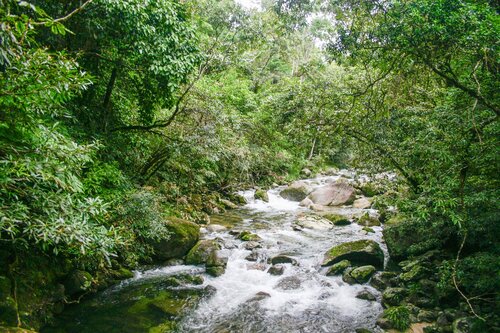 Golden PendaXanthostemon chrysanthus
Food for the Spectacled Flying-foxFeeds 6 kinds of wildlifeFlowers visited, Eaten
-
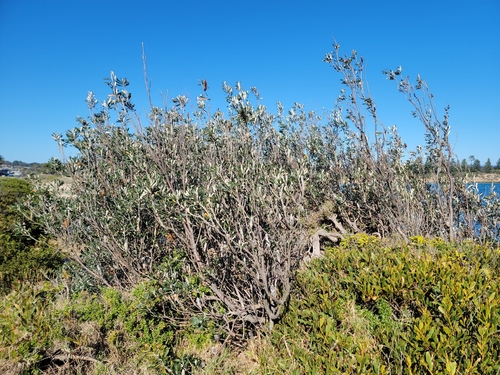 Coastal BanksiaBanksia integrifolia
Food for the Grey-headed Flying-fox and othersFeeds 31 kinds of wildlifeAlso recorded with
-
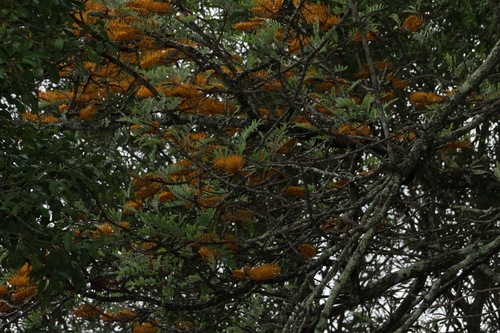 Silky OakGrevillea robusta
Food for the Grey-headed Flying-foxFeeds 30 kinds of wildlifeAlso recorded with
-
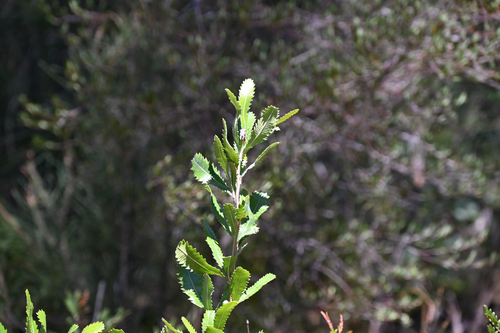 Old Man BanksiaBanksia serrata
Food for the Grey-headed Flying-fox and othersFeeds 20 kinds of wildlifeAlso recorded with
-
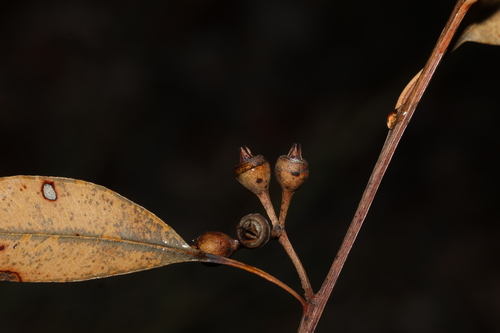 Red MahoganyEucalyptus resinifera
Food for the Little Lorikeet and othersFeeds 15 kinds of wildlifeEaten
-
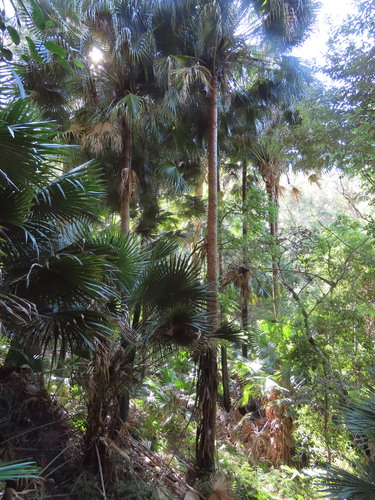 Australian Fan PalmLivistona australis
Food for the Grey-headed Flying-foxFeeds 6 kinds of wildlifeEaten
-
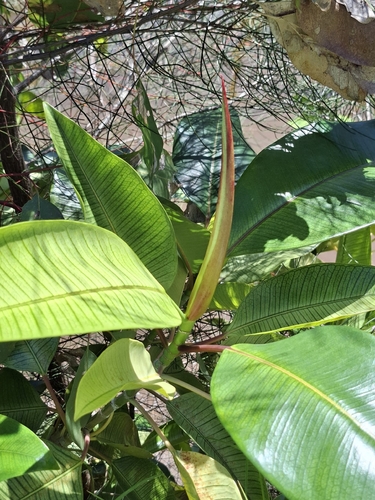 Moreton Bay FigFicus macrophylla
Food for the Grey-headed Flying-foxFeeds 15 kinds of wildlifeBig rootsEaten
-
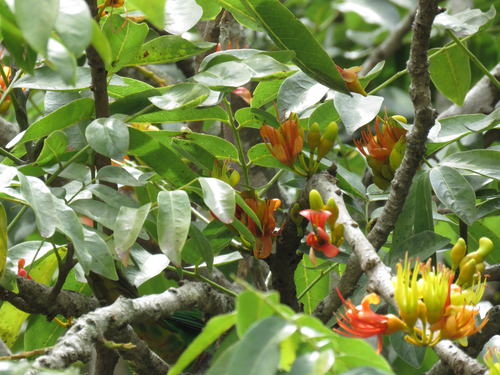 BlackbeanCastanospermum australe
Food for the Southern Blossom BatFeeds 11 kinds of wildlifeAlso recorded with
-
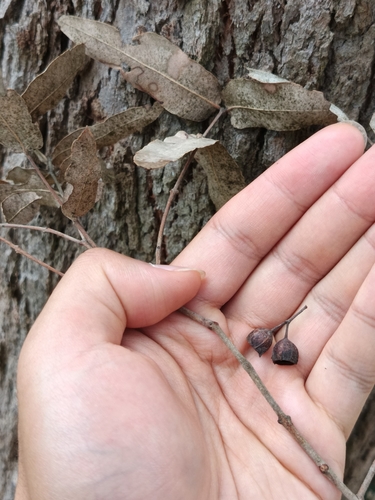 Broad-leaved AppleAngophora subvelutina
Feeds 5 kinds of wildlifeAlso recorded with
-
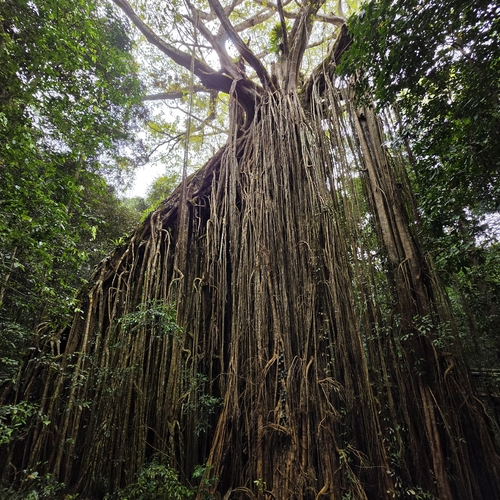 White FigFicus virens
Food for the Rose-crowned Fruit DoveFeeds 15 kinds of wildlifeBig rootsAlso recorded with
-
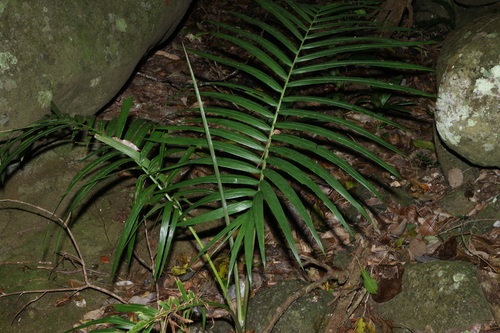 Bangalow Palm (Piccabeen)Archontophoenix cunninghamiana
Food for the Wompoo Fruit-Dove and othersFeeds 16 kinds of wildlifeEaten
-
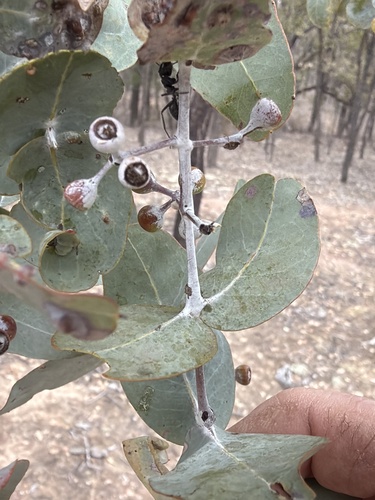 Silver-leaved IronbarkEucalyptus melanophloia
Food for the Little LorikeetFeeds 19 kinds of wildlifeAlso recorded with
-
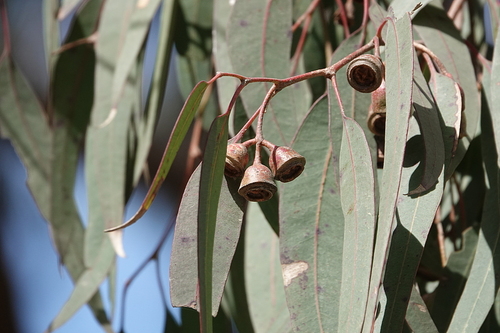 WoollybuttEucalyptus longifolia
Food for the Little LorikeetFeeds 16 kinds of wildlifeAlso recorded with
-
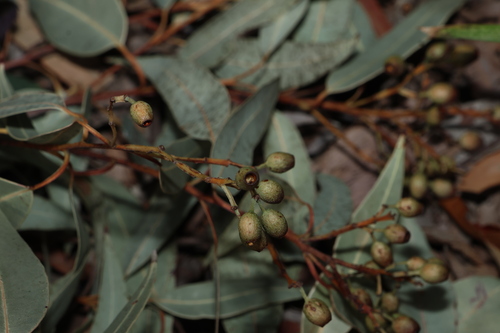 Brown BloodwoodCorymbia trachyphloia
Food for the Little Lorikeet and othersFeeds 7 kinds of wildlifeAlso recorded with
-
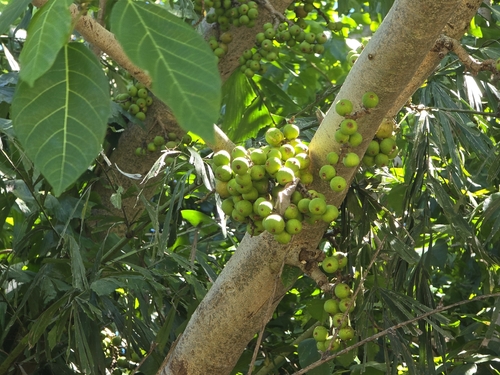 Cluster FigFicus racemosa
Food for the Spectacled Flying-foxFeeds 17 kinds of wildlifeBig rootsAlso recorded with
-
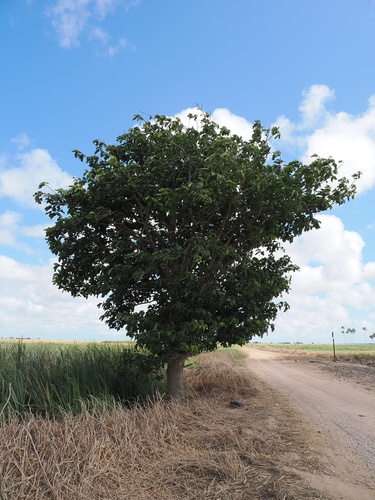 Leichhardt TreeNauclea orientalis
Food for the Spectacled Flying-foxFeeds 10 kinds of wildlifeAlso recorded with
-
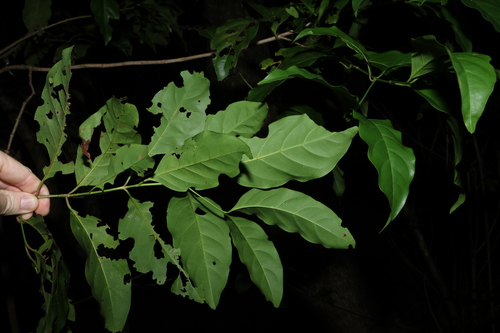 Archer CherryAidia racemosa
Feeds 3 kinds of wildlifeAlso recorded with
-
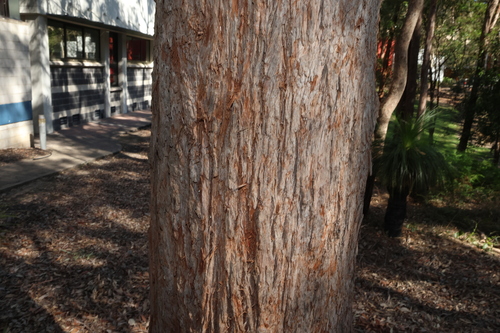 SmudgeeAngophora woodsiana
Feeds 2 kinds of wildlifeAlso recorded with
-
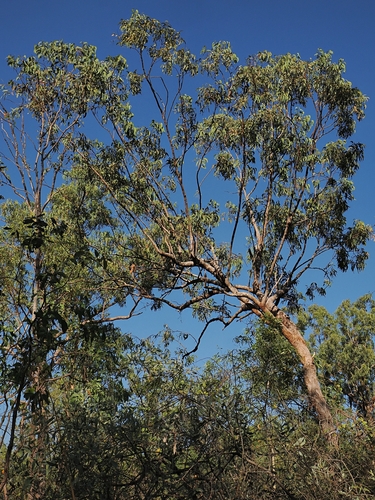 Northern StringybarkEucalyptus tetrodonta
Feeds 15 kinds of wildlifeAlso recorded with
-
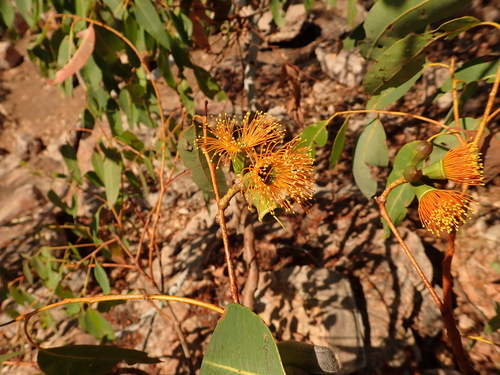 Melaleuca GumEucalyptus miniata
Feeds 16 kinds of wildlifeAlso recorded with
- White AppleSyzygium eucalyptoides Feeds 2 kinds of wildlifeAlso recorded with
-
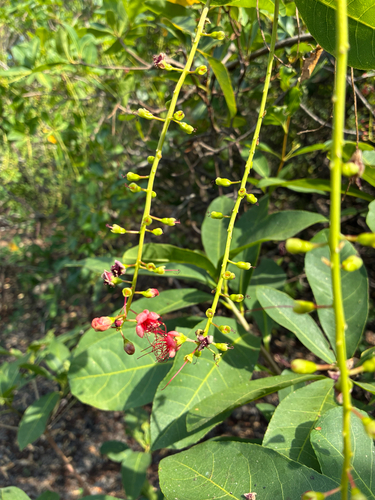 Itchy-treeBarringtonia acutangula
Feeds 5 kinds of wildlifeAlso recorded with
-
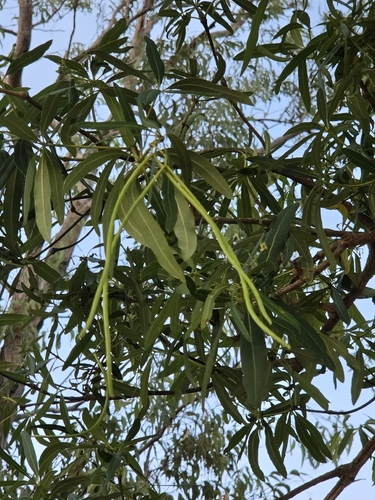 Northern MilkwoodAlstonia actinophylla
Feeds 1 kind of wildlifeFlowers visited
Sources
- Armstrong, J. A. 1979. Biotic pollination mechanisms in the Australian flora — a review. New Zealand Journal of Botany 17 (4): 467-508.
- Birt, 2004
- Eby, P. 1991. Seasonal movements of grey-headed flying-foxes,Pteropus poliocephalus (Chiroptera : Pteropodidae), from two maternity camps in northern New South Wales. Wildlife Research 18 (5): 547-559.
- Eby, P., Richards, G., Collins, L., & Parry-Jones, K. (1999). The distribution, abundance and vulnerability to population reduction of a nomadic nectarivore, the grey-headed flying-fox Pteropus poliocephalus in New South Wales, during a period of resource concentration. Australian Zoologist, 31(1),
- Flying-fox Plan of Management Grassy (Lions) Park, Bowraville quality solutions sustainable future.
- Friend and Braithwaite, 1986
- McWilliam, A. N. 1986. The feeding ecology of Pteropus in north-eastern New South Wales, Australia. Myotis 23-24: 201-207.
- Mickelburgh et al.1992
- Ratcliffe, F. 1932. Notes on the fruit bats (Pteropus spp.) of Australia. Journal of Animal Ecology 1 (1): 32-57.
- Sherman, Aja C.; Geiselman, Cullen; Simons, Nancy B.; Upham, Nathan S.; Poelen, Jorrit H.; Reeder, DeeAnn M.; Bertolino, Sandro; Groom, Quentin; Phelps, Kendra; Agosti, Donat; Willoughby, Anna R. In Preparation. Bat-Co-Roosting Database develop by the Biodiversity-related knowledge hub on COVID-19.
- Tidemann, C. R., M. J. Vardon, R. A. Loughland, and P. J. Brocklehurst. 1999. Dry season camps of flying-foxes [Pteropus spp.) in Kakadu World Heritage Area, North Australia. Journal of Zoology (London), 247: 155- 163.
- Vardon et al., 2001