How to help the Red-tailed Black Cockatoo in your garden
Calyptorhynchus banksii
The Red-tailed Black Cockatoo (Calyptorhynchus banksii) is a bird recorded in Australia 118,792 times. It is listed as Endangered nationally (South-eastern Red-tailed Black Cockatoo); Endangered nationally (South-eastern Red-tailed Black Cockatoo); Vulnerable nationally (Forest Red-tailed Black Cockatoo, south-west WA). 10 native plants are known to feed or shelter it.
Plants to grow for it
-
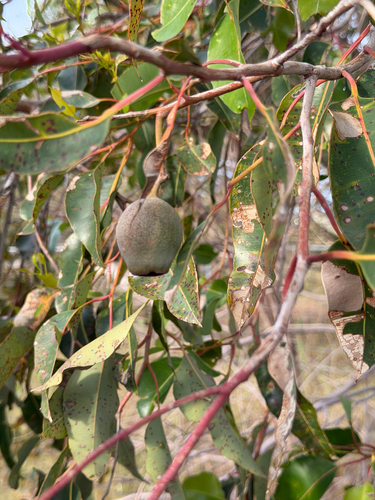 MarriCorymbia calophylla
Food for the Carnaby's Black Cockatoo and othersFeeds 12 kinds of wildlifeEaten
-
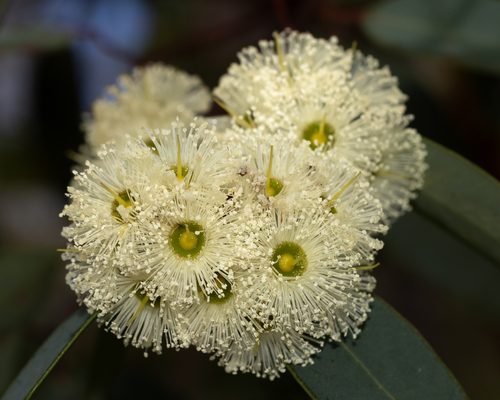 JarrahEucalyptus marginata
Food for the Red-tailed Black CockatooFeeds 13 kinds of wildlifeEaten
-
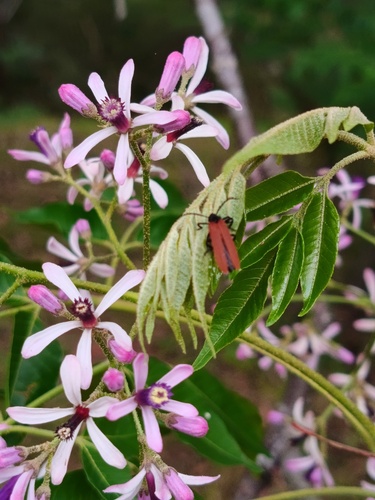 White CedarMelia azedarach
Food for the Gang-gang Cockatoo and othersFeeds 25 kinds of wildlifeToxic to petsEaten
-
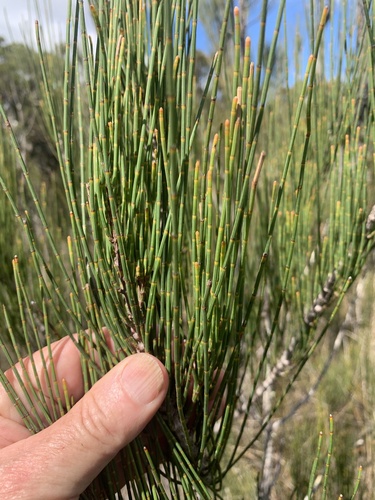 Western SheoakAllocasuarina fraseriana
Food for the Red-tailed Black CockatooFeeds 2 kinds of wildlifeEaten
-
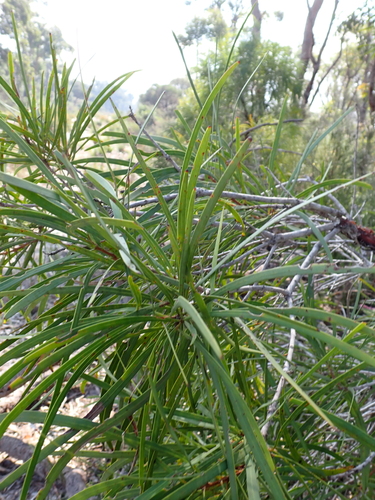 SnottygobblePersoonia longifolia
Food for the Red-tailed Black CockatooFeeds 1 kind of wildlifeEaten
-
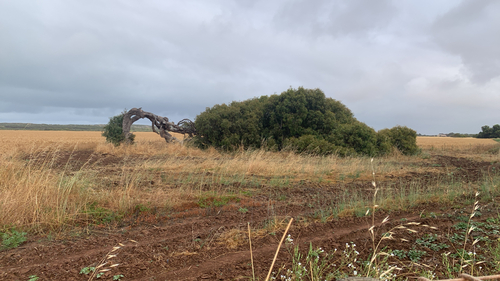 River Red GumEucalyptus camaldulensis
Food for the Little LorikeetFeeds 57 kinds of wildlifeEaten
-
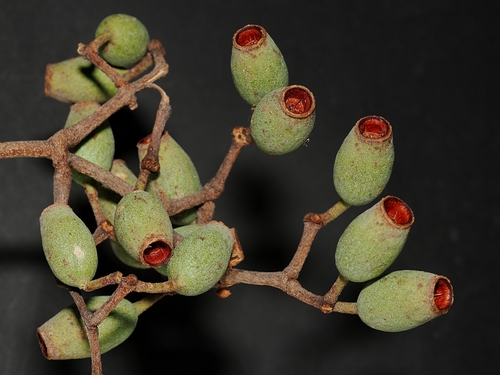 Long-fruited BloodwoodCorymbia polycarpa
Feeds 10 kinds of wildlifeEaten
-
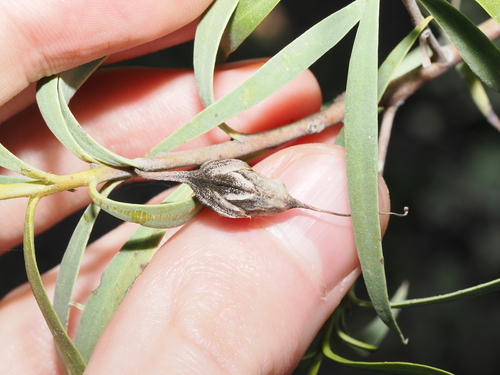 Bignonia Emu-bushEremophila bignoniiflora
Feeds 1 kind of wildlifeEaten
-
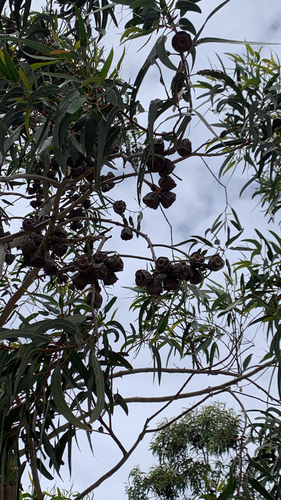 Red-capped GumEucalyptus erythrocorys
Feeds 10 kinds of wildlifeEaten
-
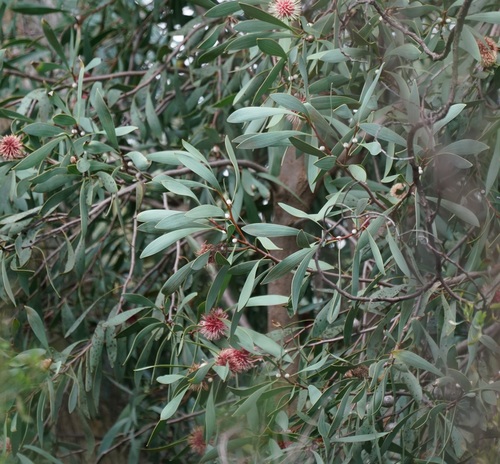 Pincushion HakeaHakea laurina
Feeds 4 kinds of wildlifePricklyEaten
Where it has been recorded
Places it is often seen: