White Cedar
Melia azedarach
White Cedar is a large tree native to New South Wales, Queensland, Western Australia, Northern Territory, usually over 25 m tall. It feeds 25 kinds of wildlife, including the threatened Spectacled Flying-fox. It is in the local plant lists of 3,689 suburbs.
Toxic to pets. Poisonous to pets or livestock if eaten.
Weedy outside its range. On the environmental weed list for New South Wales, Northern Territory, Western Australia, where it spreads beyond its natural range. Plant it only where it grows wild.
- Type
- Large tree
- Garden height
- over 25 m
- Flower colour
- blue purple white cream
- Family
- Meliaceae
- Native to
- New South Wales, Queensland, Western Australia, Northern Territory
Photo: Carl Ramirez, CC BY, via iNaturalist
Wildlife it feeds
Threatened wildlife that uses it
Caterpillar or larval food plant for
- Loboschiza koenigiana5 records
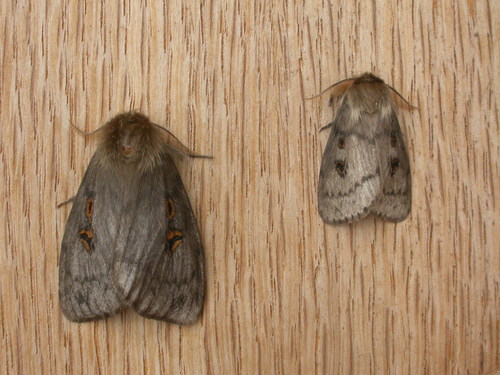 White Cedar Moth2 records
- Hypatima spathota1 record
- Privet Hawkmoth1 record
Eaten by
- Gang-gang Cockatoo31 recordsEndangered
- Red-tailed Black Cockatoo6 recordsEndangered in SA
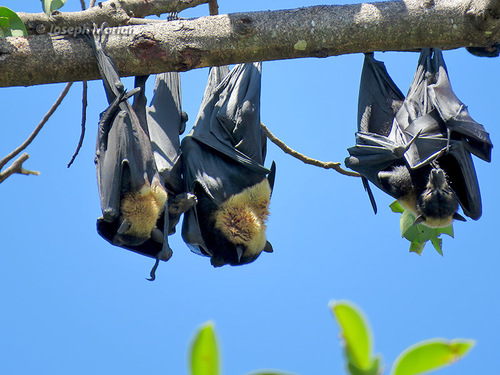 Spectacled Flying-fox1 recordEndangered
- Grey-headed Flying-fox1 recordVulnerable
- Rose-crowned Fruit Dove1 recordVulnerable in NSW
- Wompoo Fruit-Dove1 recordVulnerable in NSW
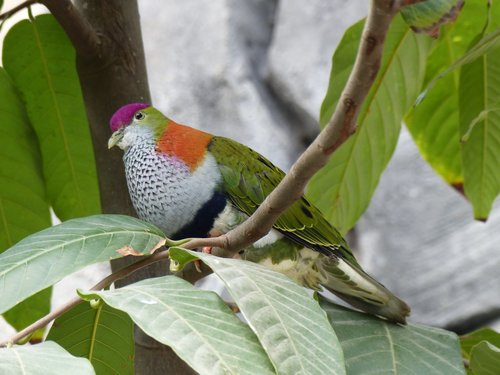 Superb Fruit Dove1 recordVulnerable in NSW
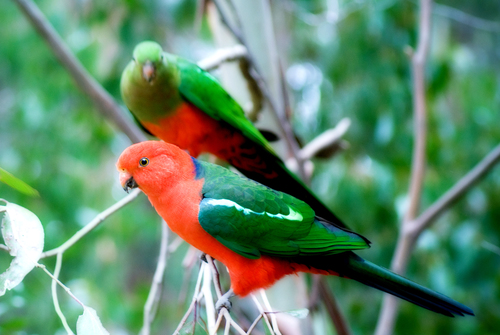 Australian King Parrot6 records
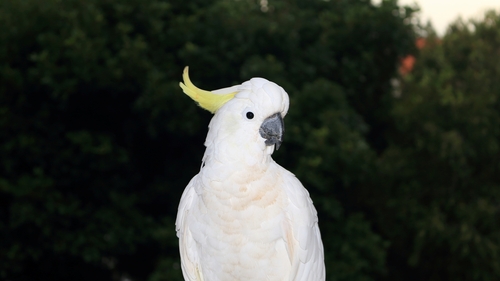 Sulphur-crested Cockatoo5 records
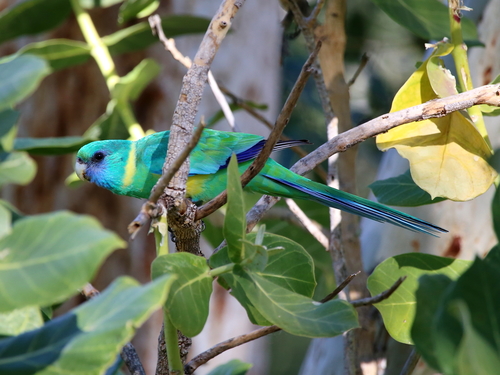
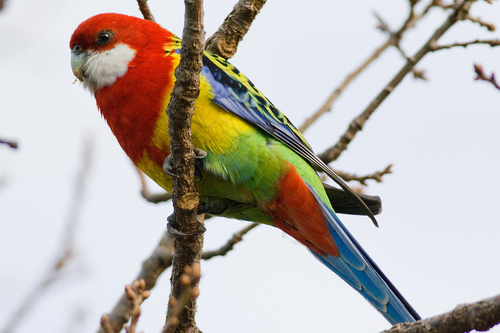 Eastern Rosella2 records
- Privet Hawkmoth1 record
- White-headed Pigeon1 record
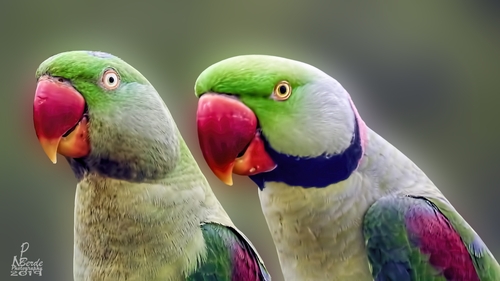 Alexandrine Parakeet1 record
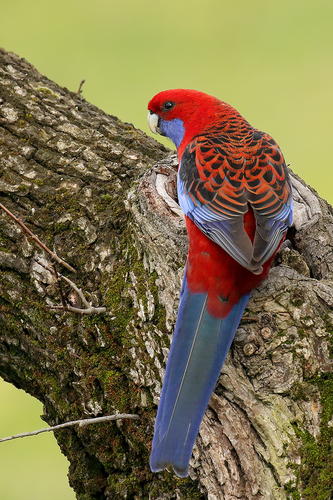 Crimson Rosella1 record
- Clearwing Swallowtail1 record
- Brown Honeyeater1 record
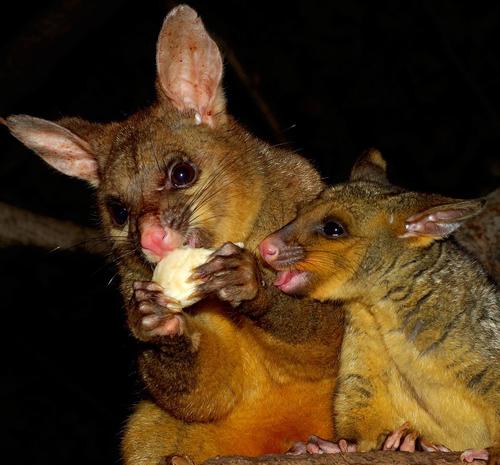 Common Brushtail Possum1 record
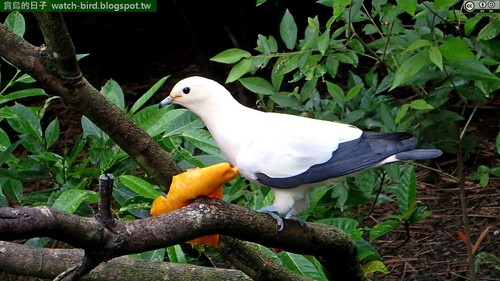 Pied Imperial Pigeon1 record
- Brown Cuckoo-Dove1 record
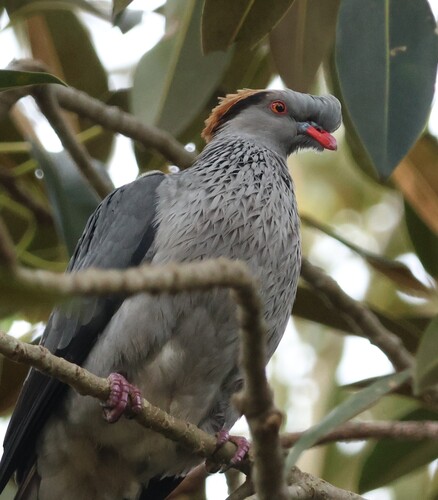 Topknot Pigeon1 record
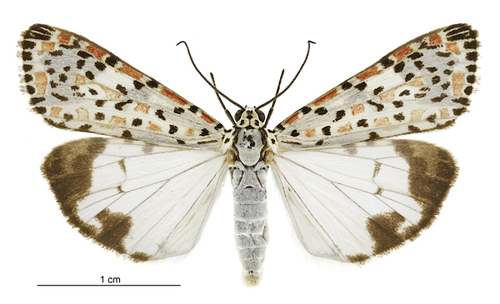 Heliotrope Moth1 record
Also recorded with
Photos
- Photo: Carl Ramirez, CC BY, via iNaturalist
- Photo: Greg Tasney, CC BY-SA, via iNaturalist
- Photo: Billie, CC0, via iNaturalist
- Photo: Lucas Christofides, CC BY, via iNaturalist
Where it grows naturally
Native to New South Wales, Queensland, Western Australia, Northern Territory. It ranks high in the local plant lists of these suburbs:
Sources
Native range: Australian Plant Census and Alien Flora of Australia, with herbarium specimens for each bioregion. Size, flowering and form: AusTraits 7.0.0. Records: GBIF and the Atlas of Living Australia. Wildlife links: GloBI and the studies cited on each animal page. All sources