How to help the Superb Fruit Dove in your garden
Ptilinopus superbus
The Superb Fruit Dove (Ptilinopus superbus) is a bird recorded in Australia 16,164 times. It is listed as Vulnerable in New South Wales. 14 native plants are known to feed or shelter it.
Photo: Lauren Gore, CC BY, via iNaturalist
Plants to grow for it
-
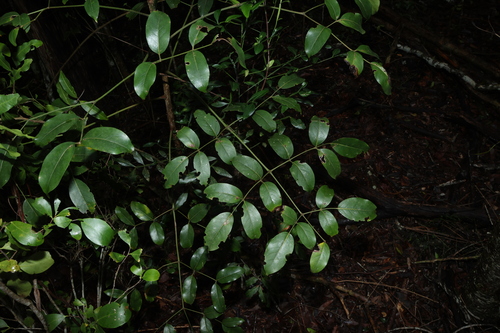 Celery WoodPolyscias elegans
Food for the Rose-crowned Fruit Dove and othersFeeds 13 kinds of wildlifeFruit or seed eaten, Eaten
-
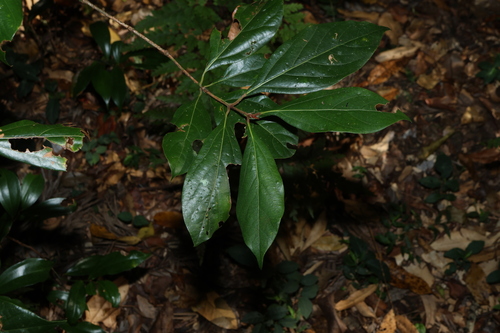 Bolly GumNeolitsea dealbata
Food for the Rose-crowned Fruit Dove and othersFeeds 13 kinds of wildlifeFruit or seed eaten, Eaten
-
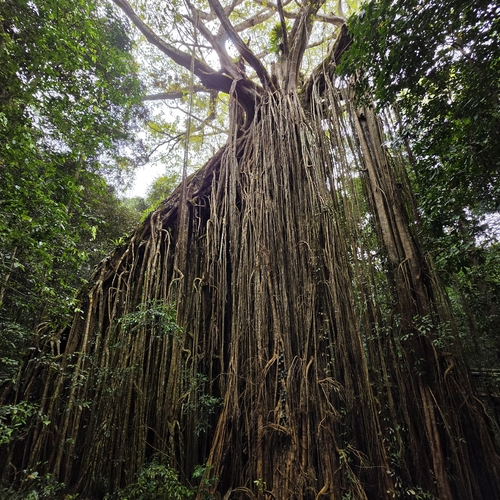 White FigFicus virens
Food for the Rose-crowned Fruit DoveFeeds 15 kinds of wildlifeBig rootsFruit or seed eaten, Eaten
-
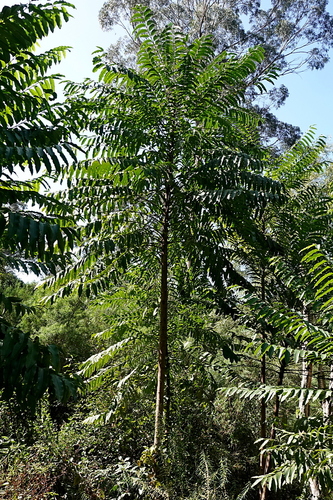 Pencil CedarPolyscias murrayi
Food for the Rose-crowned Fruit Dove and othersFeeds 7 kinds of wildlifeFruit or seed eaten, Eaten
-
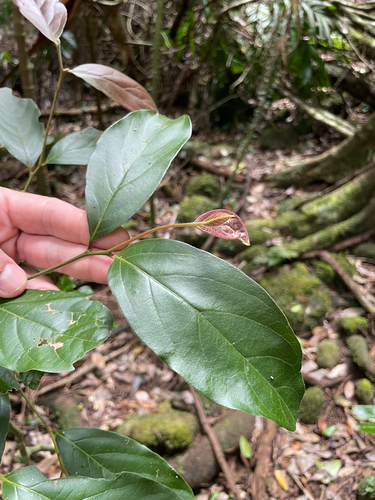 Green-leaved Rose WalnutEndiandra muelleri
Feeds 7 kinds of wildlifeFruit or seed eaten, Eaten
-
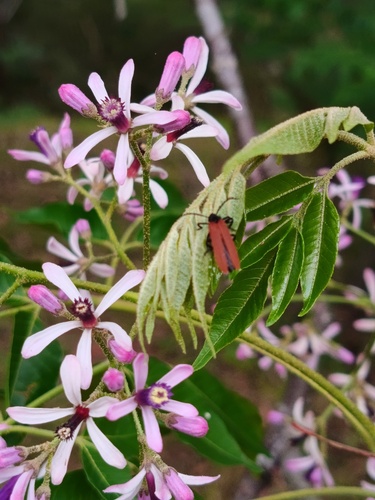 White CedarMelia azedarach
Food for the Gang-gang Cockatoo and othersFeeds 25 kinds of wildlifeToxic to petsEaten
-
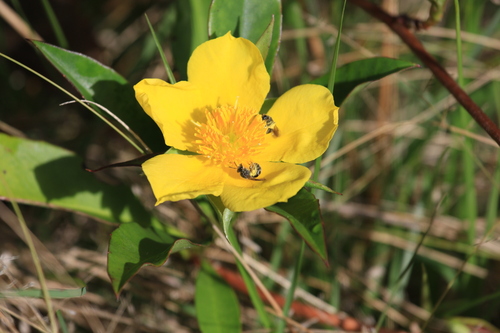 Climbing Guinea FlowerHibbertia scandens
Food for the Wompoo Fruit-Dove and othersFeeds 14 kinds of wildlifeEaten
-
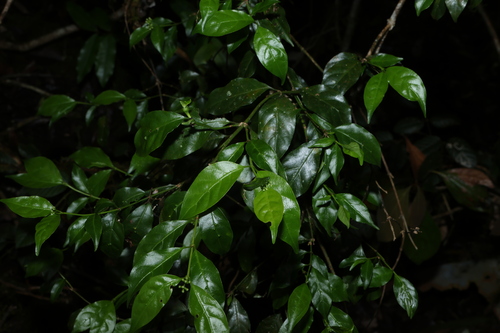 Gynochthodes jasminoides
Food for the Rose-crowned Fruit Dove and othersFeeds 9 kinds of wildlifeEaten
-
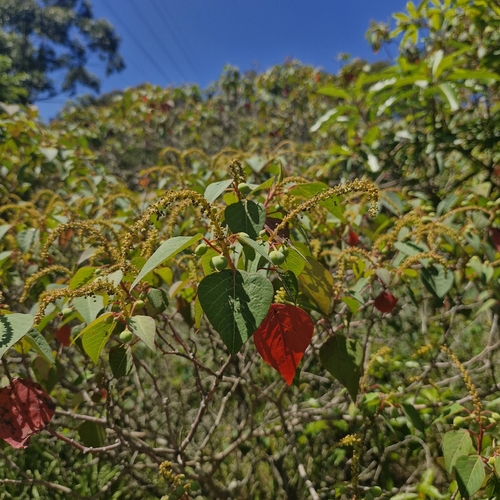 Bleeding HeartHomalanthus populifolius
Food for the Rose-crowned Fruit Dove and othersFeeds 11 kinds of wildlifeEaten
-
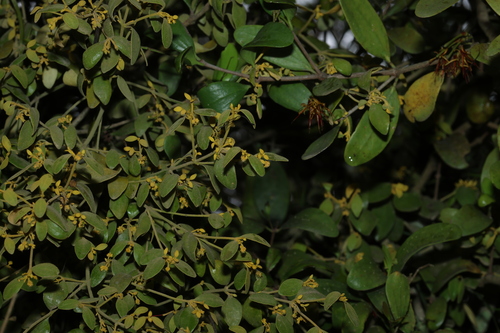 Golden MistletoeNotothixos subaureus
Feeds 8 kinds of wildlifeSemi-parasiticEaten
-
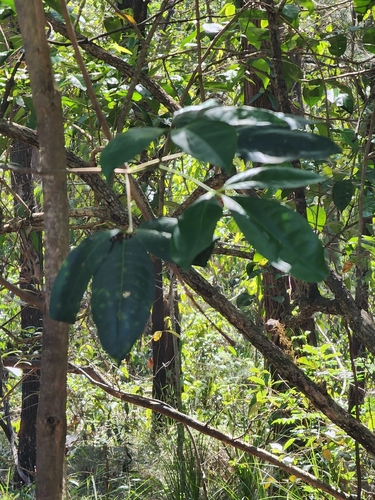 Pink EuodiaMelicope elleryana
Feeds 14 kinds of wildlifeEaten
- Long-leaved GrapeCissus sterculiifolia Feeds 6 kinds of wildlifeFruit or seed eaten
-
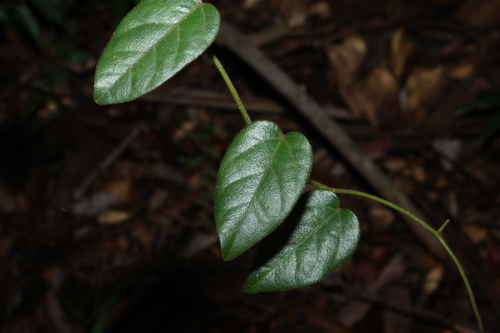 Hypserpa decumbens
Feeds 7 kinds of wildlifeEaten
-
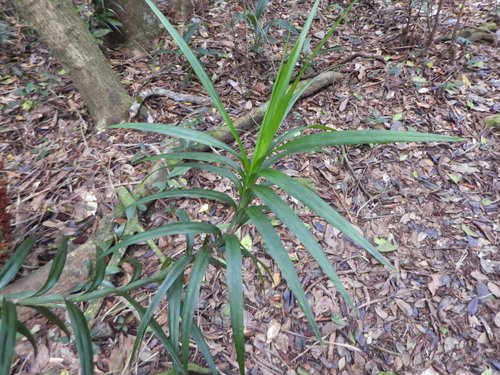 Pandanus VineFreycinetia excelsa
Feeds 8 kinds of wildlifeEaten
Where it has been recorded
Suburbs with the most records within 5 km:
Sources
- Crome, F.H.J. 1975. The ecology of fruit pigeons in tropical Northern Queensland. Australian Journal of Wildlife Research, 2: 155-185.
- M_SD_007
- Pratt 1985