What to plant in Clay Wells
45 native plants grow wild within 9 km of Clay Wells. Start with the garden-sized ones below: the most common locally, ranked higher when they feed more local wildlife.
Plant these first
-
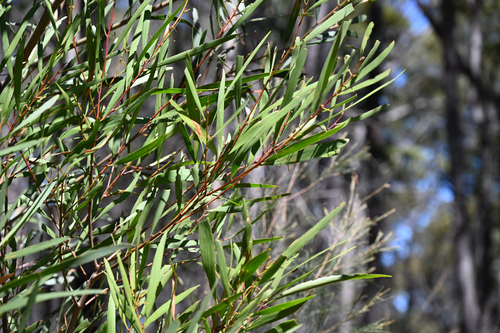 Longleaf WattleAcacia longifolia
Feeds 50 kinds of wildlife
-
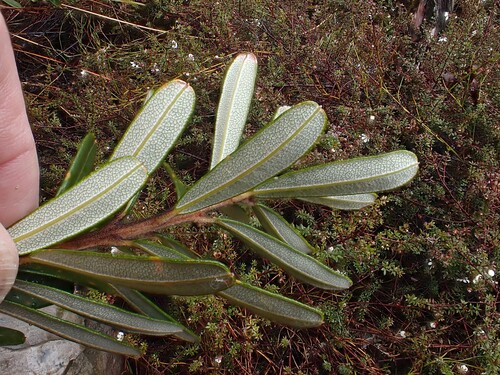 Silver BanksiaBanksia marginata
Feeds 8 kinds of wildlife
-
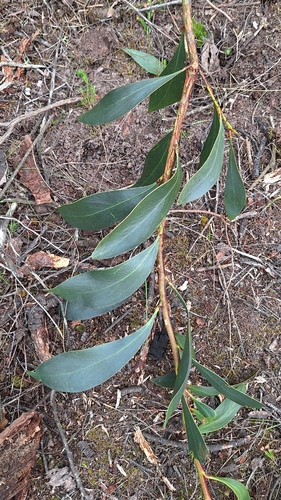 Golden WattleAcacia pycnantha
Feeds 43 kinds of wildlife
-
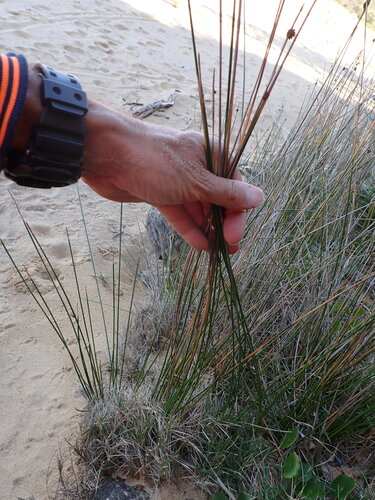 Knobby ClubrushFicinia nodosa
No wildlife links recorded yet
-
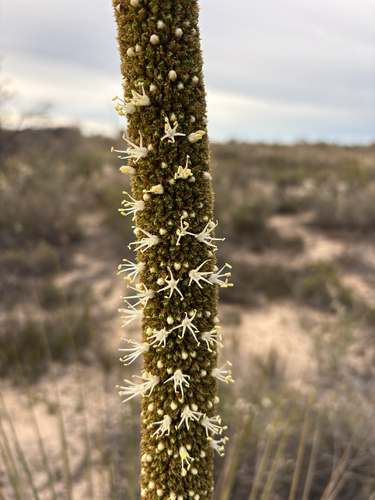 Sand-heath GrasstreeXanthorrhoea caespitosa
Feeds 3 kinds of wildlifePrickly
-
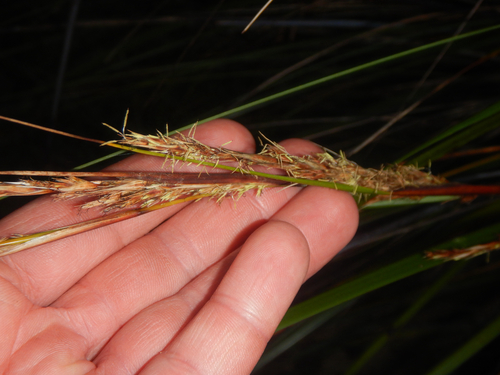 Chaffy Saw-sedgeGahnia filum
Feeds 3 kinds of wildlife
-
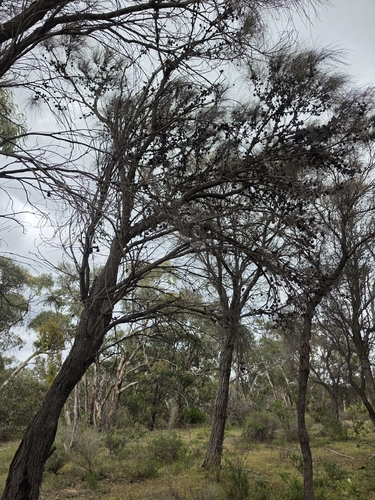 Drooping SheoakAllocasuarina verticillata
Feeds 8 kinds of wildlife
-
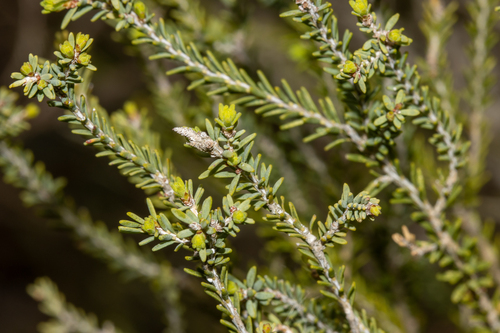 Mallee Honey-myrtleMelaleuca brevifolia
Feeds 10 kinds of wildlife
-
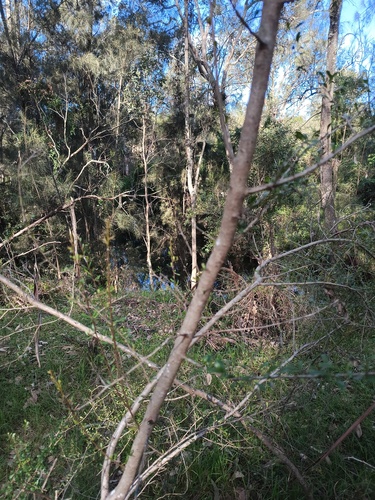 Australian BlackthornBursaria spinosa
Feeds 54 kinds of wildlifePrickly
-
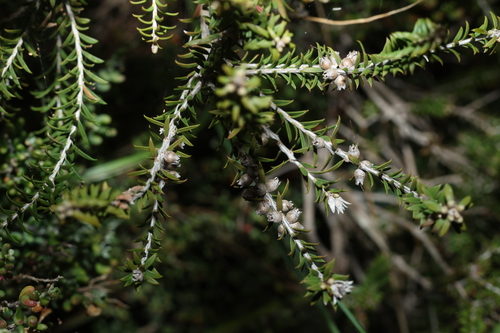 MoonahMelaleuca lanceolata
Feeds 54 kinds of wildlife
-
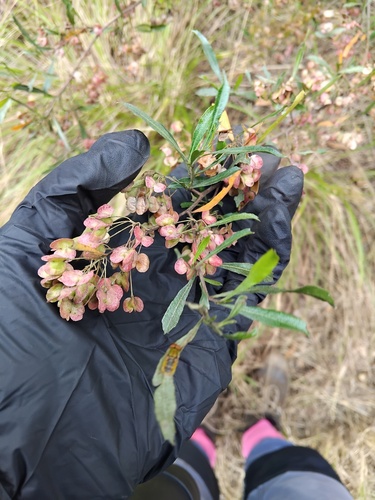 Sticky Hop-bushDodonaea viscosa
Feeds 20 kinds of wildlife
-
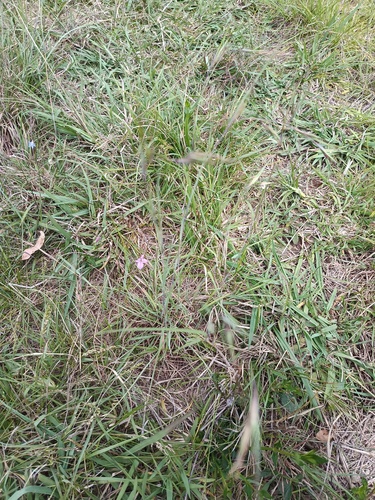 Kangaroo GrassThemeda triandra
Feeds 10 kinds of wildlife
For a small garden: trees up to 8 m
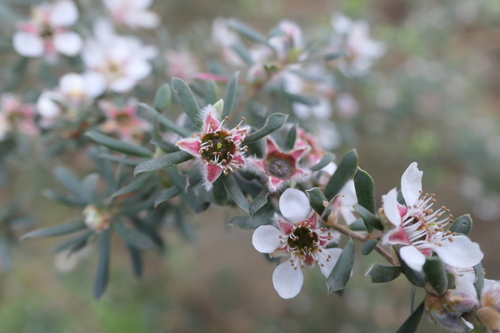
Shrubs for screening and shelter
-
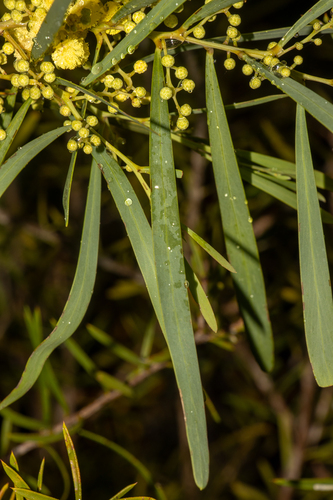 Coast Golden WattleAcacia leiophylla
No wildlife links recorded yet
-
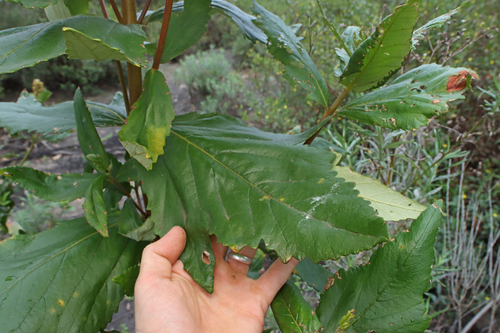 Bitter BushAdriana quadripartita
Feeds 1 kind of wildlife
-
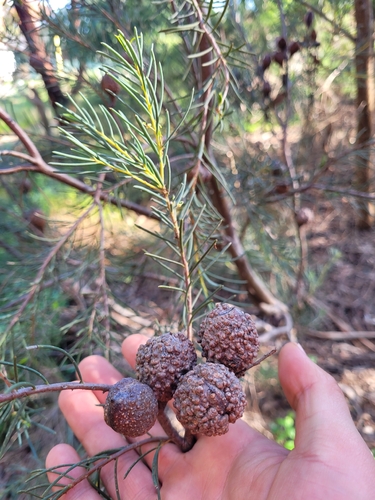 Yellow HakeaHakea nodosa
Feeds 1 kind of wildlifePrickly
-
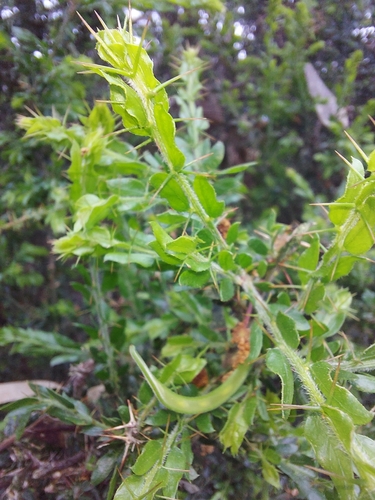 Kangaroo ThornAcacia paradoxa
Feeds 3 kinds of wildlifePrickly
-
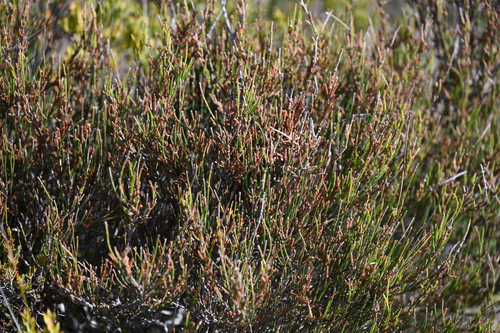 Scrub SheoakAllocasuarina paludosa
No wildlife links recorded yet
Groundcovers, grasses and strappy plants
-
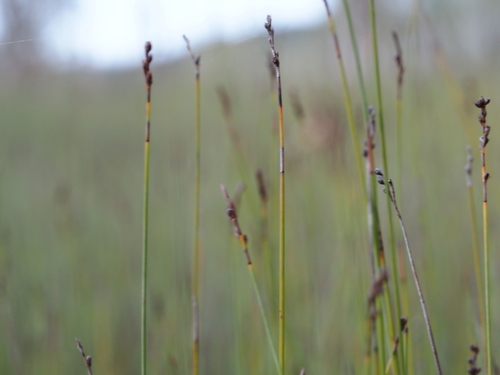 Tussock Swamp Twig RushMachaerina juncea
No wildlife links recorded yet
-
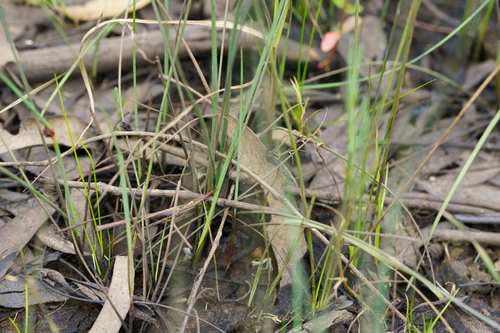 Black BristlerushChorizandra enodis
No wildlife links recorded yet
-
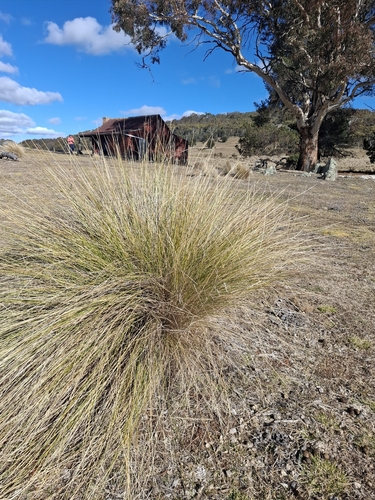 River Tussock GrassPoa labillardierei
Feeds 1 kind of wildlife
-
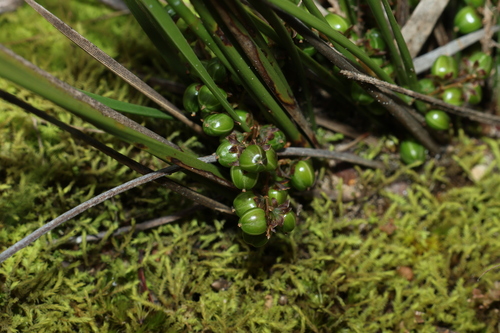 Small-flowered MatrushLomandra micrantha
No wildlife links recorded yet
-
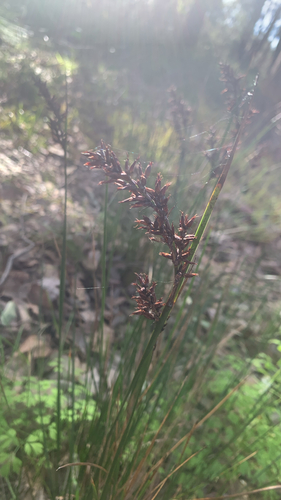 Coast Sword-sedgeLepidosperma gladiatum
Feeds 1 kind of wildlife