What to plant in Clydebank
132 native plants grow wild within 8 km of Clydebank. Start with the garden-sized ones below: the most common locally, ranked higher when they feed more local wildlife.
15 threatened species recorded nearbyPlant these first
-
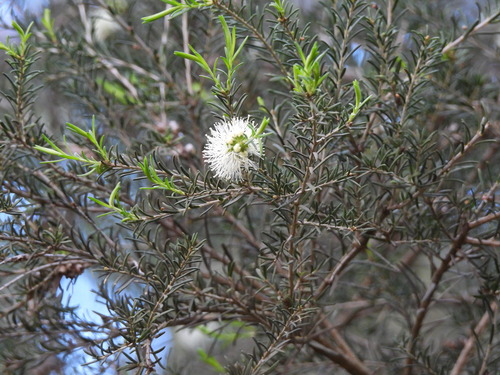 Swamp PaperbarkMelaleuca ericifolia
Feeds 11 kinds of wildlife
-
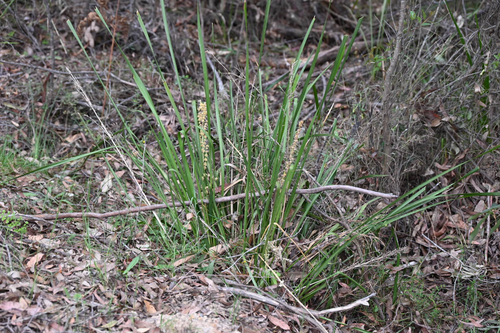 Spiny-headed Mat-rushLomandra longifolia
Feeds 9 kinds of wildlife
-
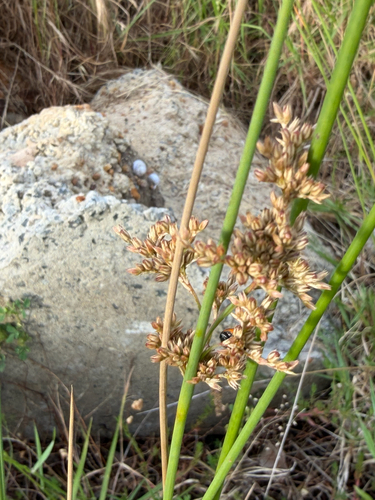 Great Soft-rushJuncus pallidus
No wildlife links recorded yet
-
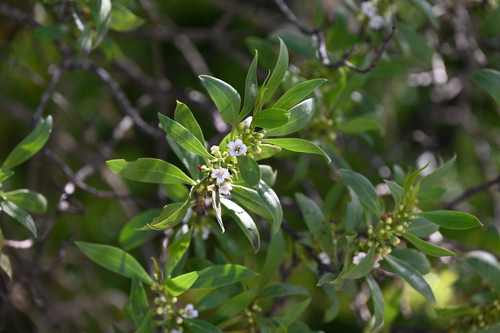 Common BoobiallaMyoporum insulare
Feeds 12 kinds of wildlife
-
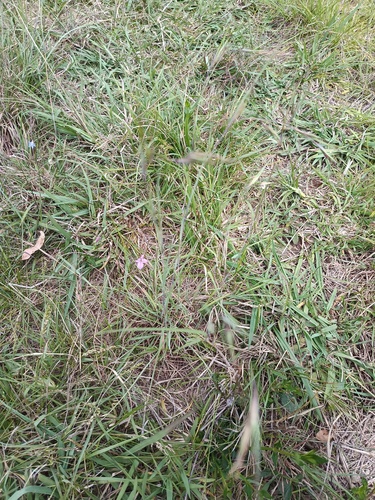 Kangaroo GrassThemeda triandra
Feeds 10 kinds of wildlife
-
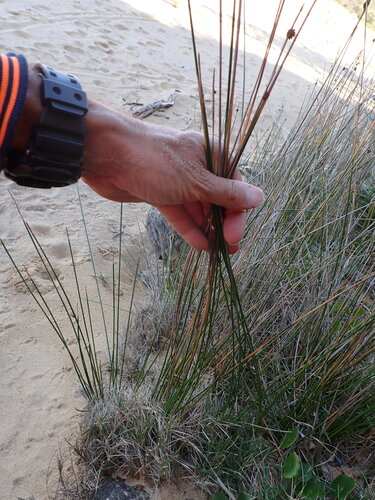 Knobby ClubrushFicinia nodosa
No wildlife links recorded yet
-
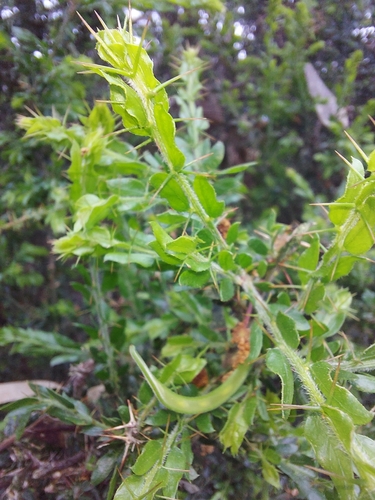 Kangaroo ThornAcacia paradoxa
Feeds 3 kinds of wildlifePrickly
-
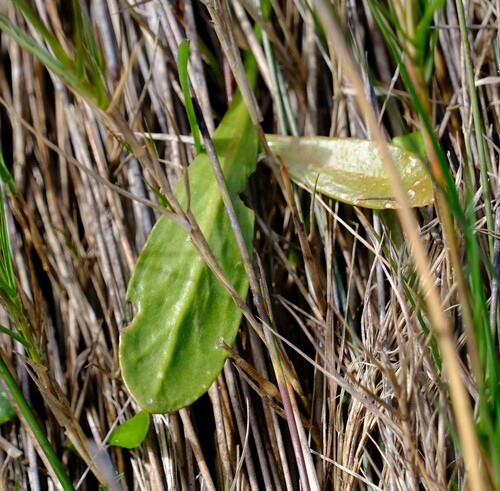 SellieraGoodenia radicans
Feeds 1 kind of wildlife
-
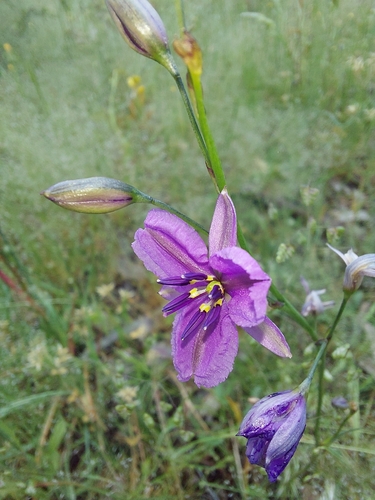 Chocolate LilyArthropodium strictum
No wildlife links recorded yet
-
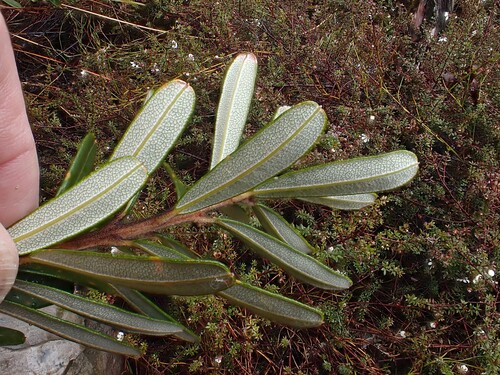 Silver BanksiaBanksia marginata
Feeds 8 kinds of wildlife
-
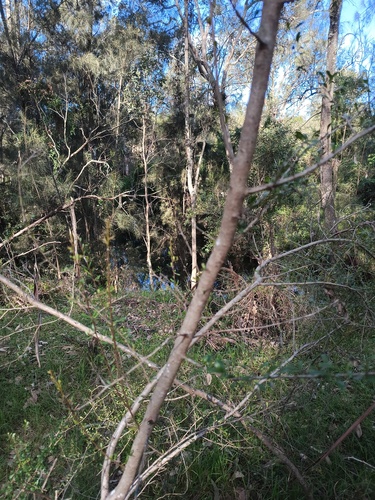 Australian BlackthornBursaria spinosa
Feeds 54 kinds of wildlifePrickly
-
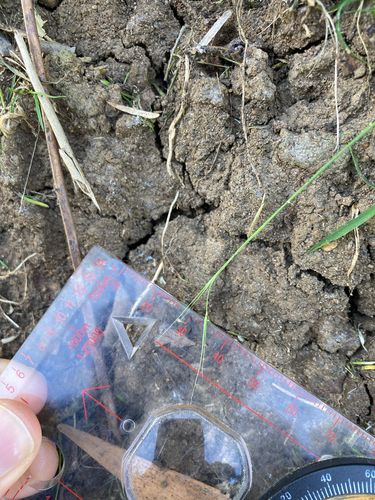 Weeping-grassMicrolaena stipoides
Feeds 6 kinds of wildlife
For a small garden: trees up to 8 m
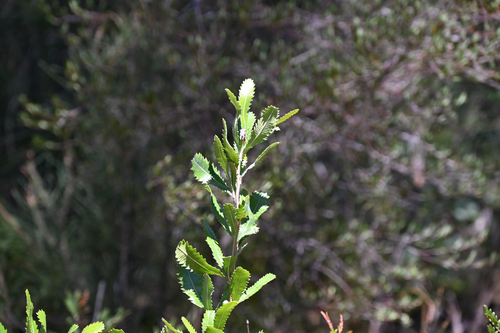
Shrubs for screening and shelter
-
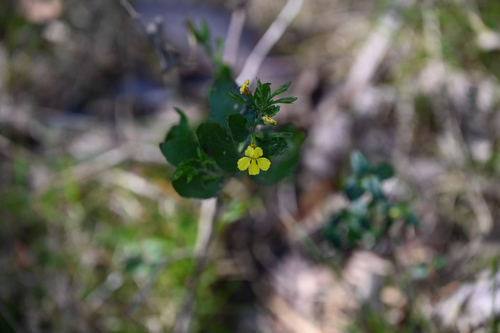 Hop GoodeniaGoodenia ovata
Feeds 9 kinds of wildlife
-
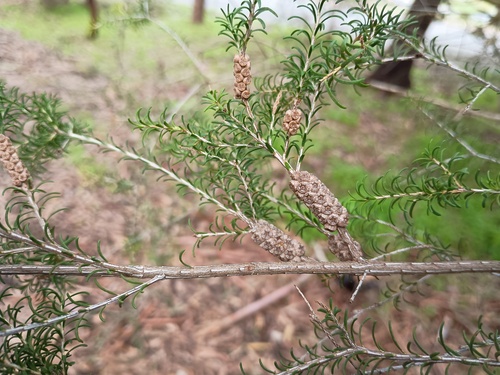 Rough-barked Honey-myrtleMelaleuca parvistaminea
Feeds 8 kinds of wildlife
-
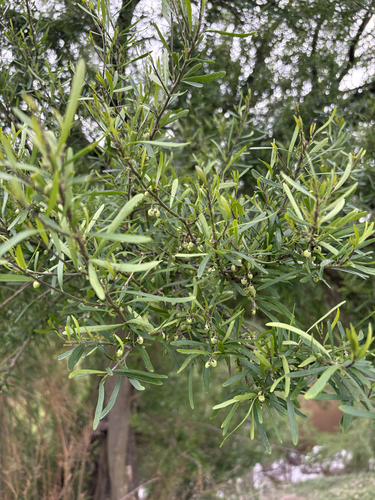 Tree VioletMelicytus dentatus
Feeds 2 kinds of wildlife
-
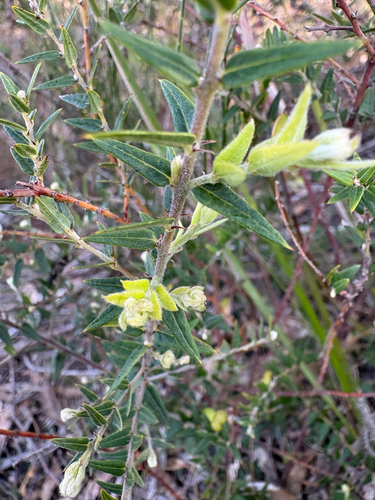 Showy BossiaeaBossiaea cinerea
Feeds 1 kind of wildlifePrickly
-
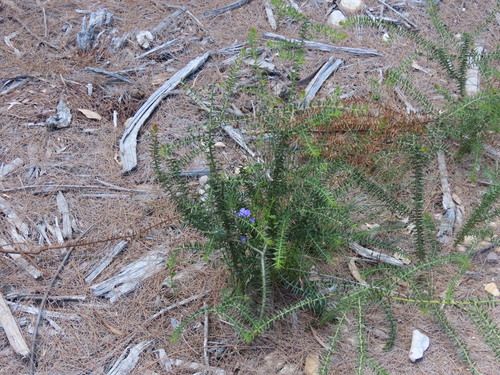 Spike WattleAcacia oxycedrus
No wildlife links recorded yet
Groundcovers, grasses and strappy plants
-
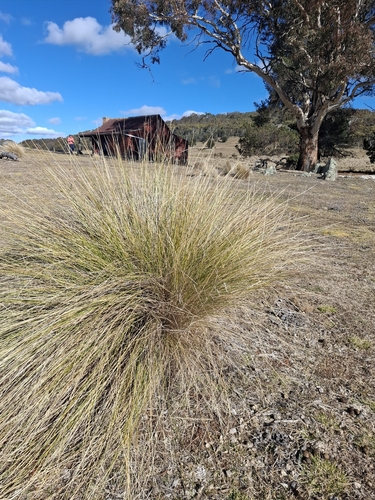 River Tussock GrassPoa labillardierei
Feeds 1 kind of wildlife
-
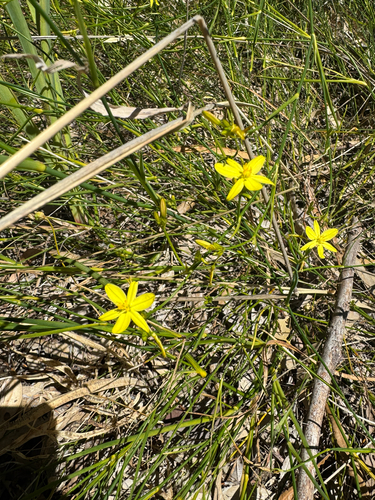 Yellow Rush-lilyTricoryne elatior
No wildlife links recorded yet
-
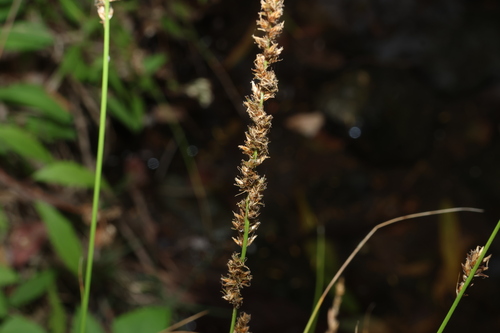 Greater Tussock-sedgeCarex appressa
Feeds 6 kinds of wildlife
-
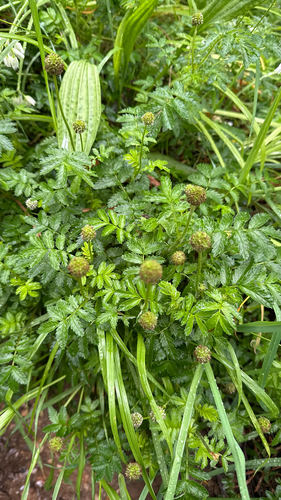 Bidgee-widgeeAcaena novae-zelandiae
Feeds 1 kind of wildlife
-
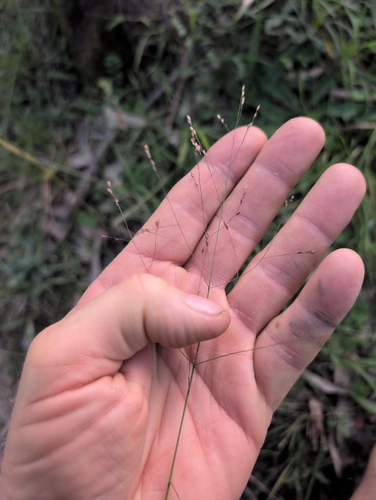 Hairy PanicPanicum effusum
No wildlife links recorded yet