What to plant in Cotswold Hills
175 native plants grow wild within 5 km of Cotswold Hills. Start with the garden-sized ones below: the most common locally, ranked higher when they feed more local wildlife.
5 threatened species recorded nearbyPlant these first
-
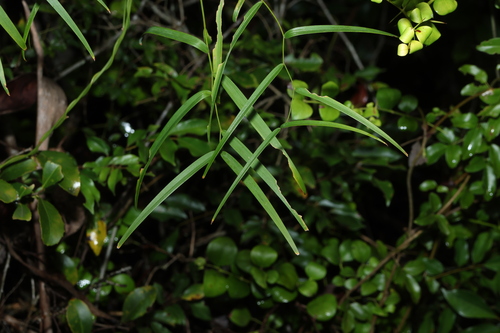 Wombat BerryEustrephus latifolius
Feeds 3 kinds of wildlife
-
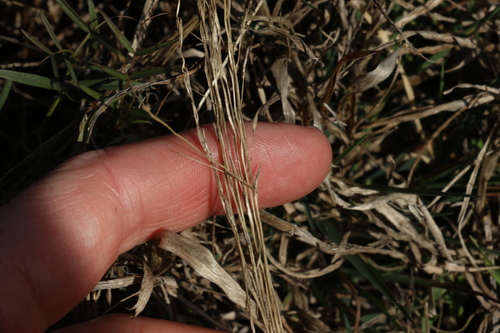 Finger Panic GrassDigitaria porrecta
No wildlife links recorded yet
-
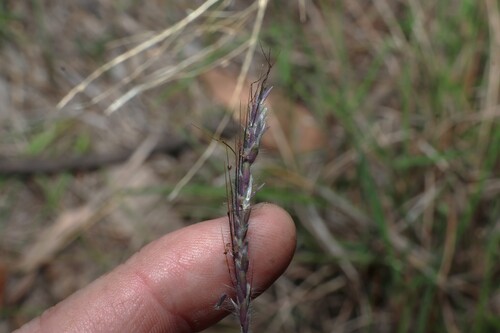 Queensland Blue GrassDichanthium sericeum
Feeds 1 kind of wildlife
-
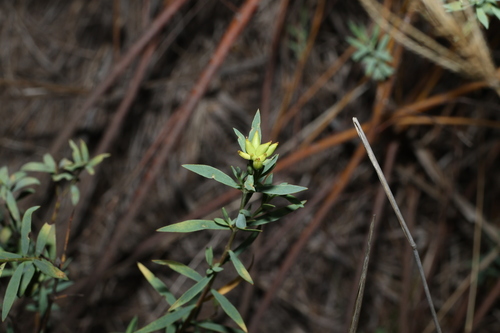 Poison PimeleaPimelea neoanglica
No wildlife links recorded yetToxic to pets
-
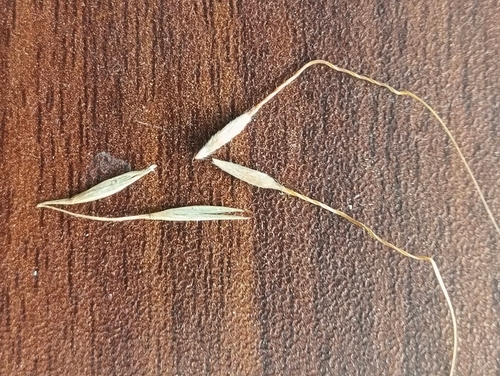 Plains GrassAustrostipa aristiglumis
No wildlife links recorded yet
-
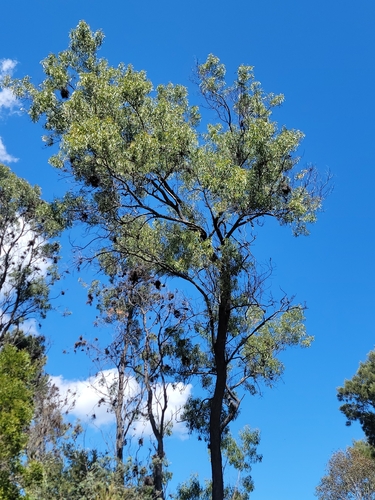 LightwoodAcacia implexa
Feeds 10 kinds of wildlife
-
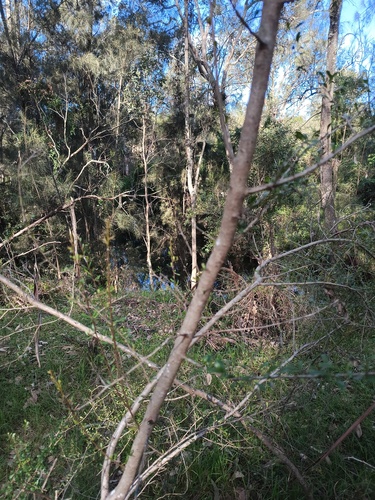 Australian BlackthornBursaria spinosa
Feeds 54 kinds of wildlifePrickly
-
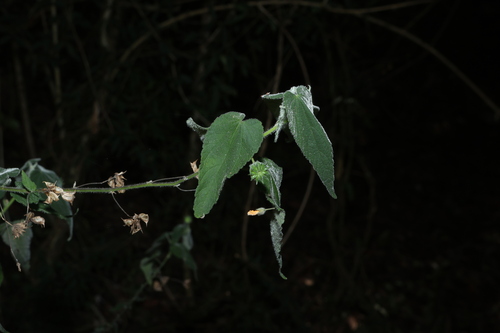 Straggly Lantern-bushAbutilon oxycarpum
No wildlife links recorded yet
-
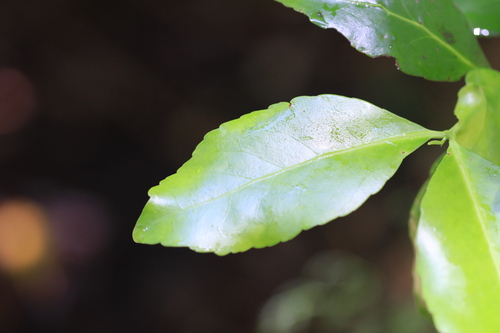 Red-fruited Olive PlumElaeodendron australe
Feeds 2 kinds of wildlife
-
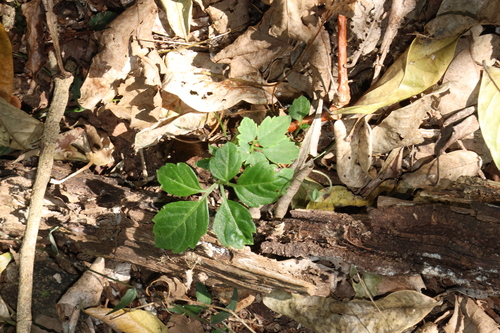 Causonis clematidea
Feeds 6 kinds of wildlife
-
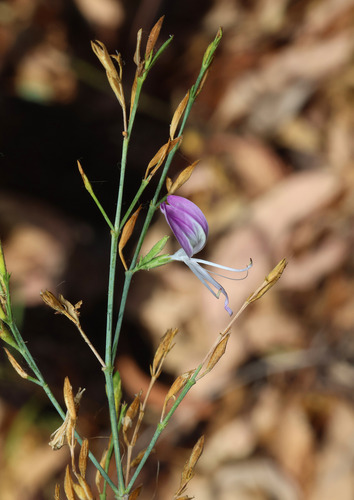 HypoestesHypoestes floribunda
Feeds 1 kind of wildlife
-
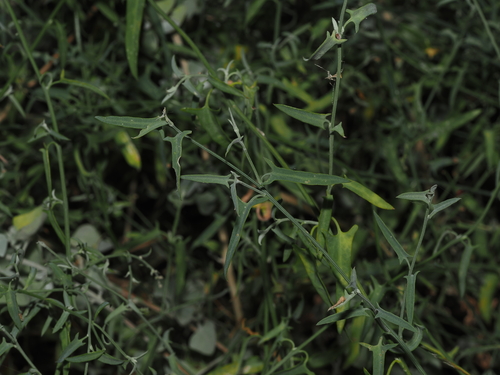 Climbing SaltbushEinadia nutans
Feeds 1 kind of wildlife
For a small garden: trees up to 8 m
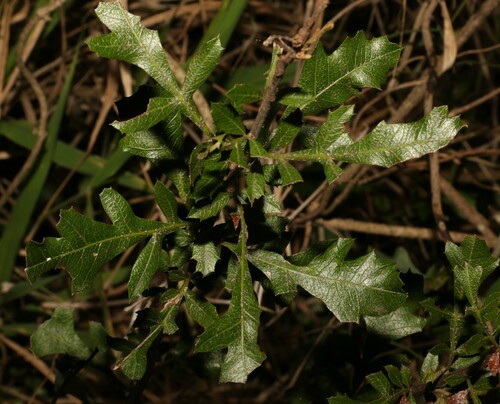
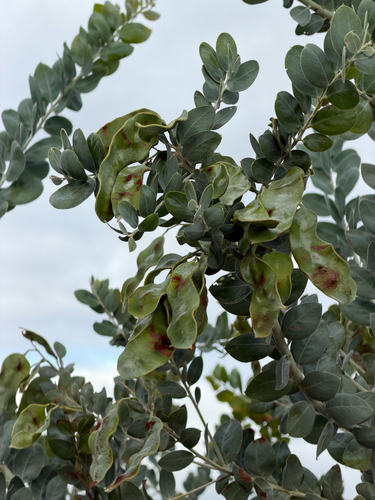
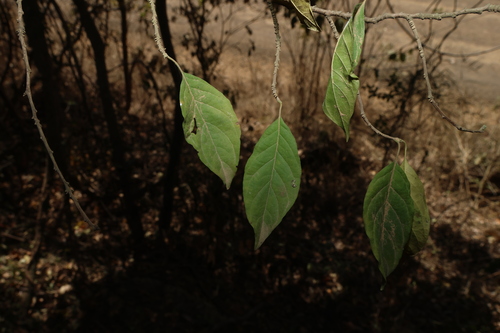
Shrubs for screening and shelter
-
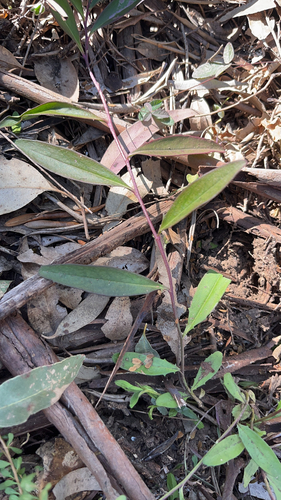 Winter AppleEremophila debilis
No wildlife links recorded yet
-
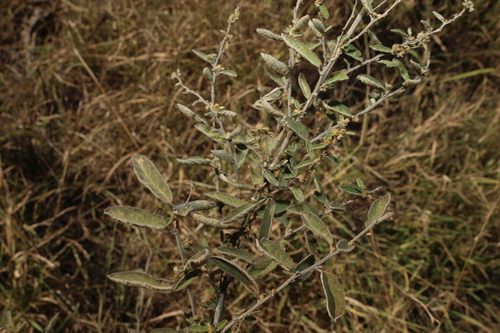 Golden RodSida hackettiana
Feeds 1 kind of wildlife
-
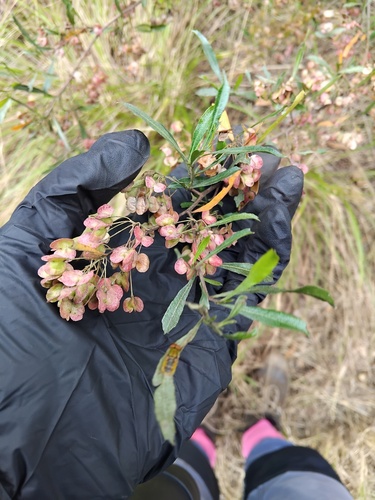 Sticky Hop-bushDodonaea viscosa
Feeds 20 kinds of wildlife
-
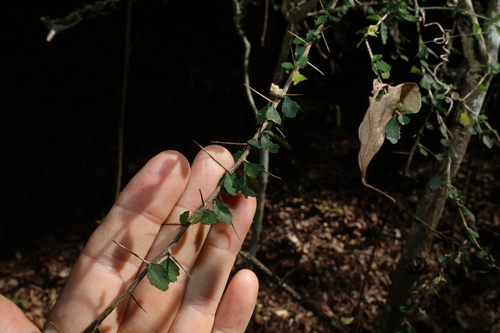 Small-leaved AcalyphaAcalypha capillipes
No wildlife links recorded yet
-
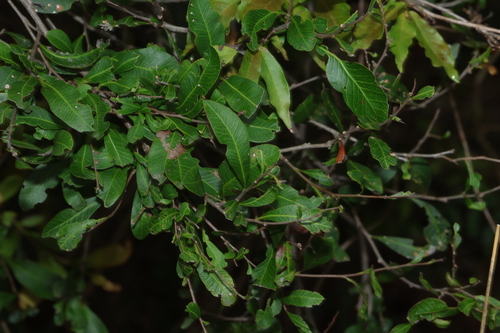 Holly BushAlectryon diversifolius
Feeds 4 kinds of wildlife
Groundcovers, grasses and strappy plants
-
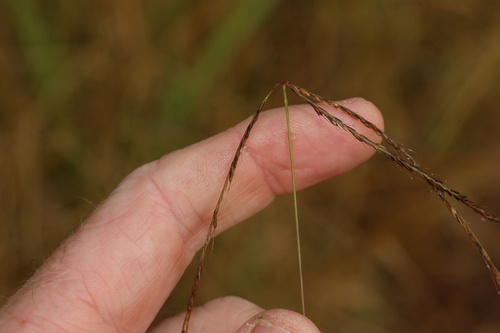 Tall ChlorisChloris ventricosa
No wildlife links recorded yet
-
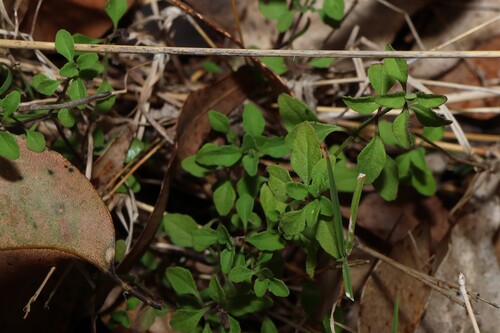 Native PennyroyalMentha satureioides
No wildlife links recorded yet
-
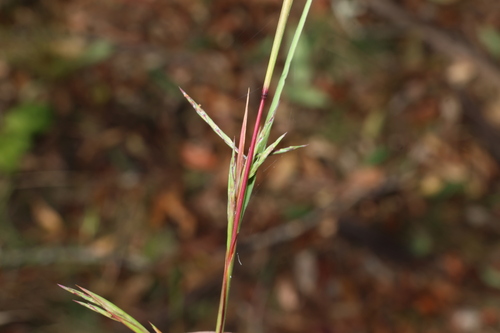 Barbwire GrassCymbopogon refractus
No wildlife links recorded yet
-
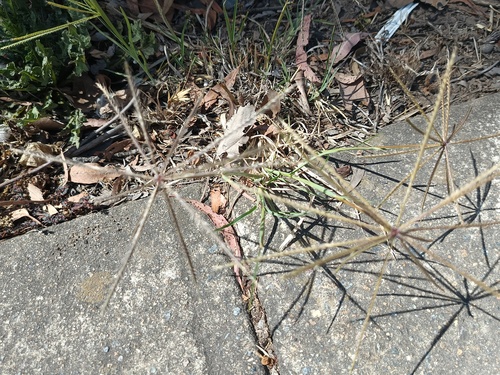 Black Windmill GrassChloris truncata
No wildlife links recorded yet
-
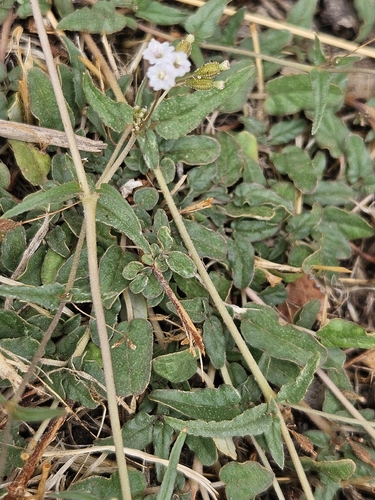 Tah-vineBoerhavia dominii
Feeds 3 kinds of wildlife