What to plant in Kembla Heights
600 native plants grow wild within 5 km of Kembla Heights. Start with the garden-sized ones below: the most common locally, ranked higher when they feed more local wildlife.
26 threatened species recorded nearbyPlant these first
-
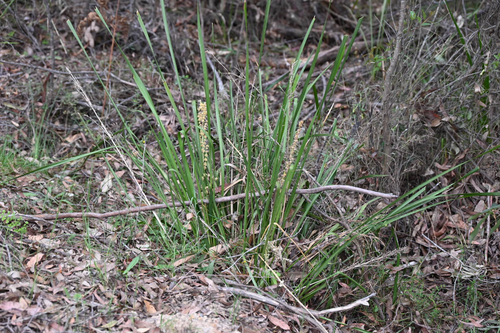 Spiny-headed Mat-rushLomandra longifolia
Feeds 9 kinds of wildlife
-
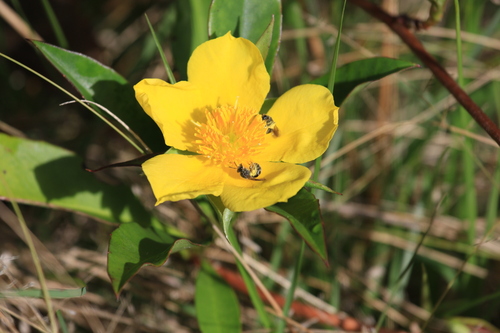 Climbing Guinea FlowerHibbertia scandens
Food for the Rose-crowned Fruit DoveFeeds 14 kinds of wildlife
-
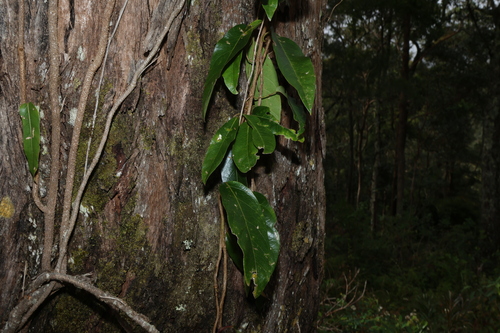
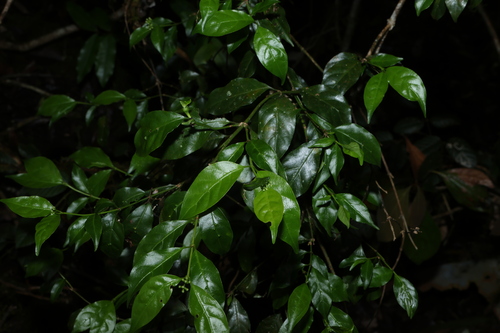
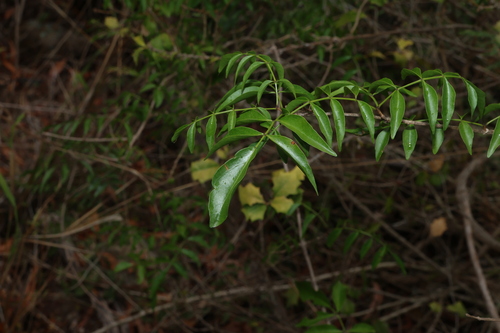 Wonga VinePandorea pandorana
Feeds 4 kinds of wildlife
-
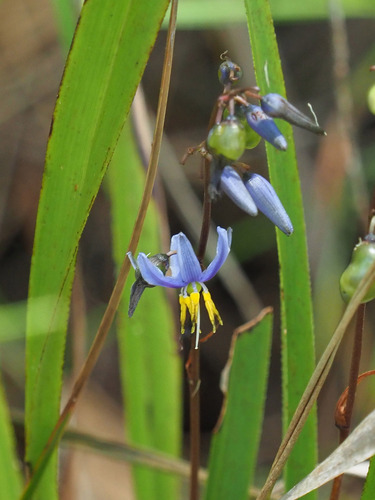 Blue Flax-lilyDianella caerulea
Feeds 8 kinds of wildlife
-
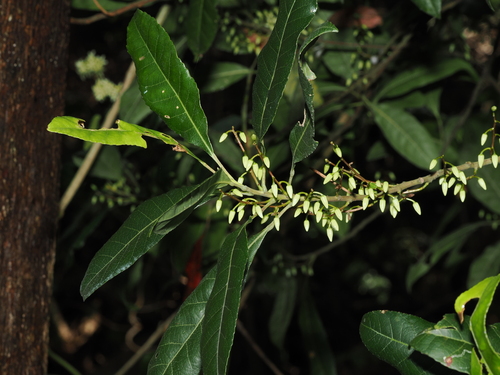 Blueberry AshElaeocarpus reticulatus
Food for the Gang-gang CockatooFeeds 9 kinds of wildlife
-
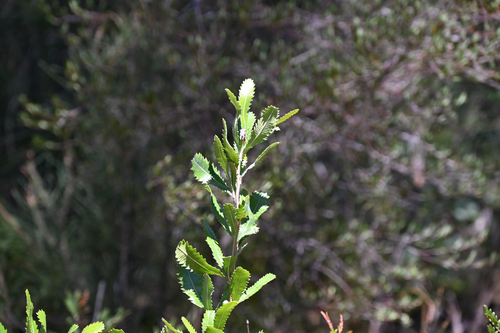 Old Man BanksiaBanksia serrata
Food for the Grey-headed Flying-fox and othersFeeds 20 kinds of wildlife
-
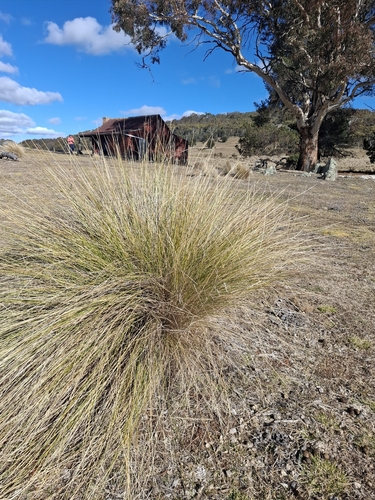 River Tussock GrassPoa labillardierei
Feeds 1 kind of wildlife
-
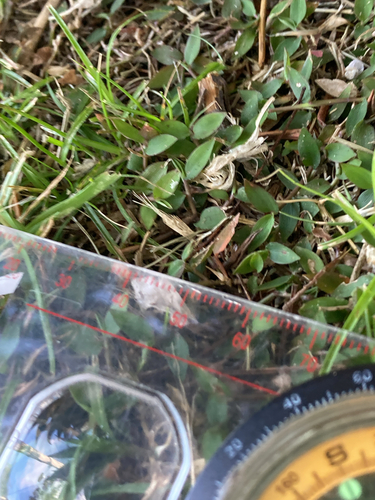 Basket GrassOplismenus hirtellus
Feeds 2 kinds of wildlife
-
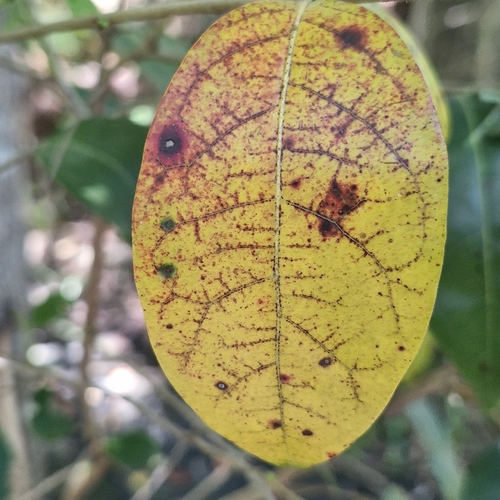 Cheese TreeGlochidion ferdinandi
Feeds 6 kinds of wildlife
-
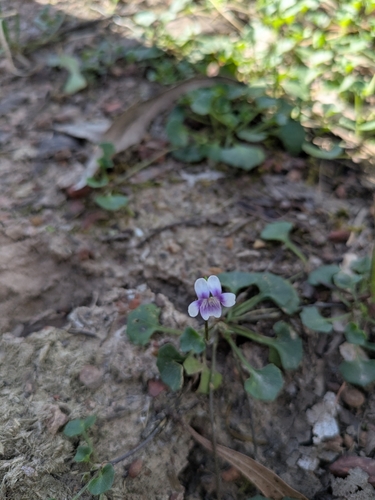 Ivy Leaved VioletViola hederacea
No wildlife links recorded yet
-
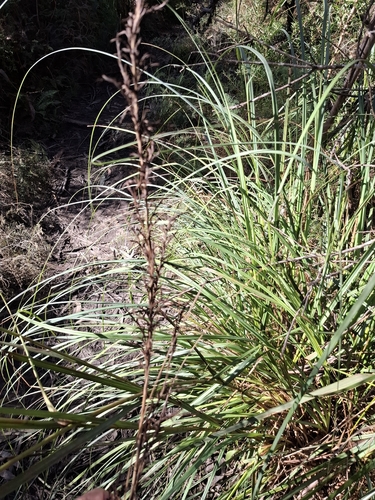 Red-fruit Saw-sedgeGahnia sieberiana
Feeds 10 kinds of wildlife
-
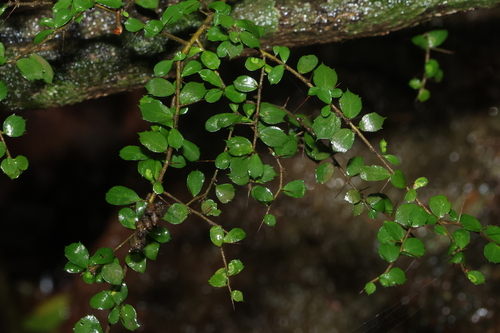 Pittosporum multiflorum
Feeds 1 kind of wildlife
For a small garden: trees up to 8 m
-
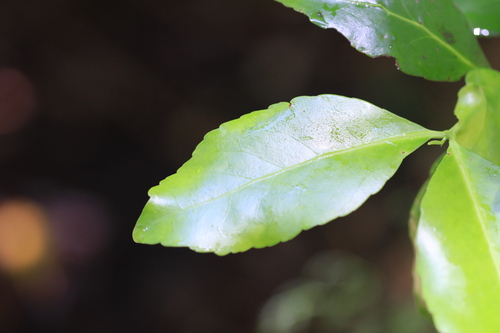 Red-fruited Olive PlumElaeodendron australe
Feeds 2 kinds of wildlife
-
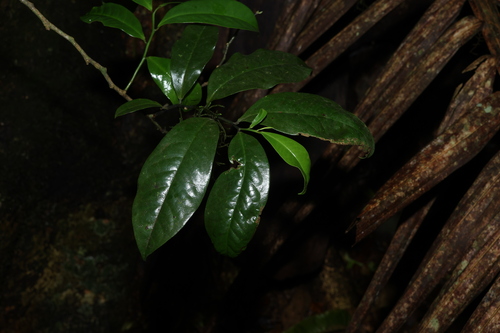 BolwarraEupomatia laurina
Feeds 2 kinds of wildlife
-
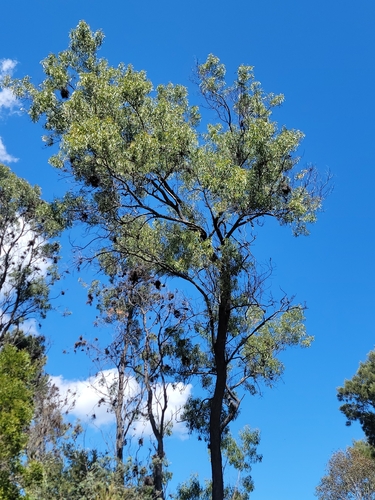 LightwoodAcacia implexa
Food for the Gang-gang CockatooFeeds 10 kinds of wildlife
-
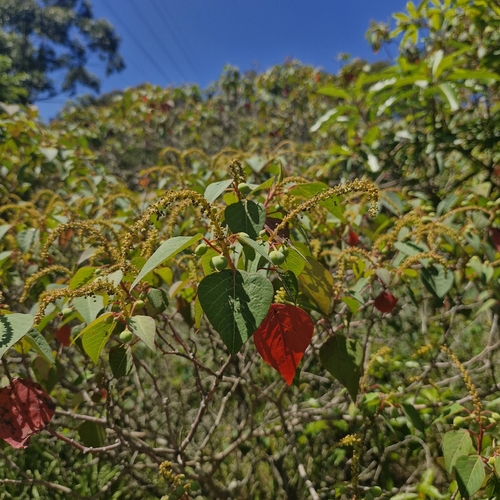 Bleeding HeartHomalanthus populifolius
Food for the Rose-crowned Fruit DoveFeeds 11 kinds of wildlife
-
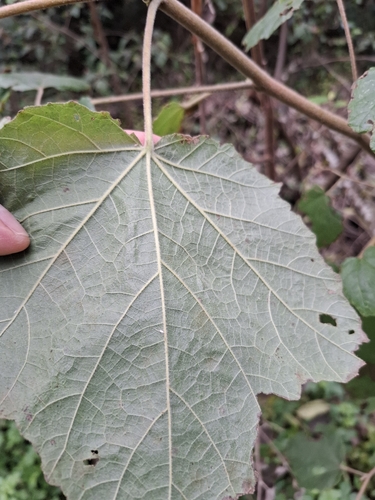 Androcalva fraseri
Feeds 1 kind of wildlife
Shrubs for screening and shelter
-
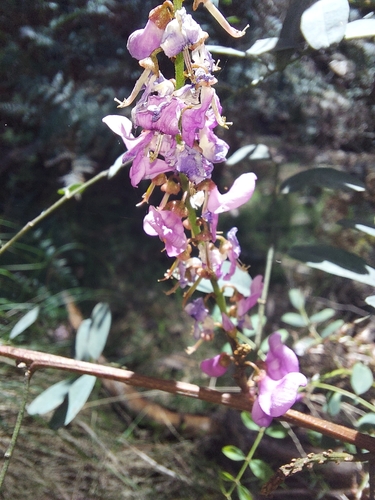 Australian IndigoIndigofera australis
Feeds 8 kinds of wildlife
-
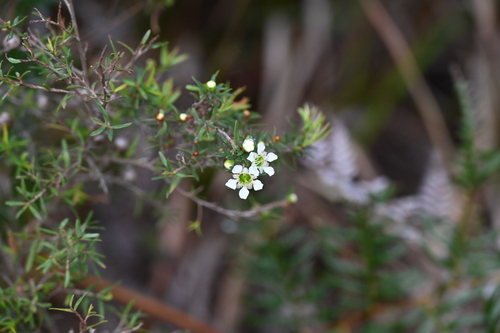 Tea TreeLeptospermum polygalifolium
Feeds 33 kinds of wildlife
-
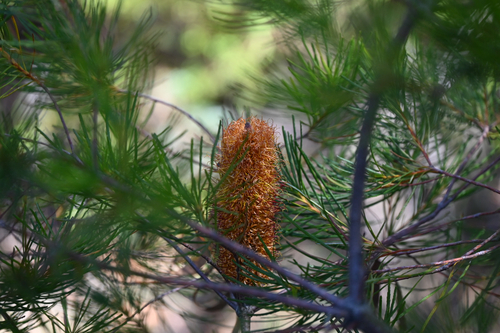 Hill BanksiaBanksia spinulosa
Food for the Grey-headed Flying-fox and othersFeeds 11 kinds of wildlife
-
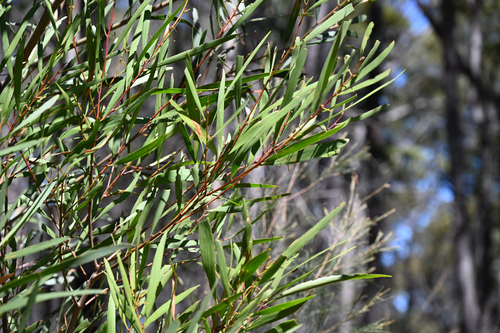 Longleaf WattleAcacia longifolia
Food for the Gang-gang CockatooFeeds 50 kinds of wildlife
-
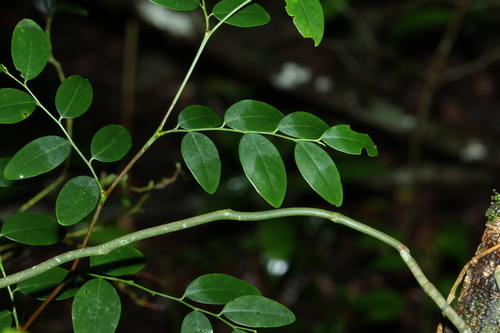 Coffee BushBreynia oblongifolia
Feeds 9 kinds of wildlife
Groundcovers, grasses and strappy plants
-
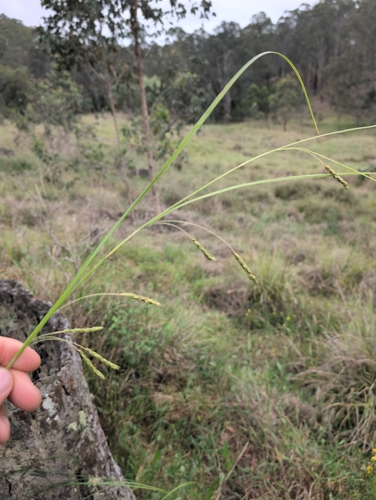 Bergalia TussockCarex longebrachiata
Feeds 2 kinds of wildlife
-
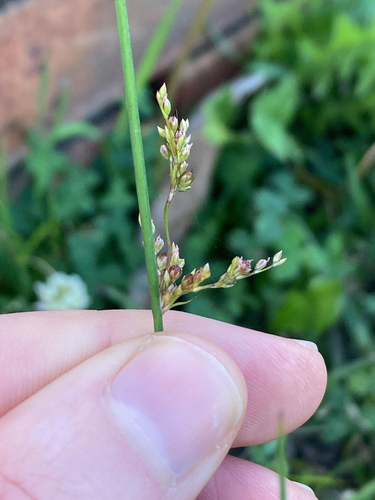 Australian RushJuncus usitatus
No wildlife links recorded yet
-
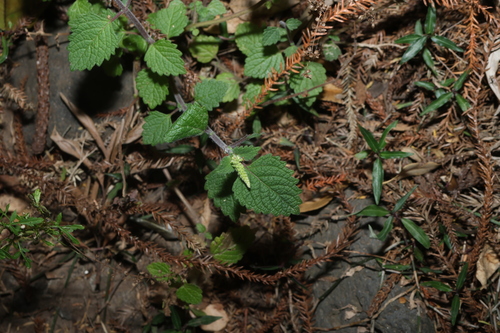 Little SpurflowerColeus australis
No wildlife links recorded yet
-
 Weeping-grassMicrolaena stipoides
Feeds 6 kinds of wildlife
-
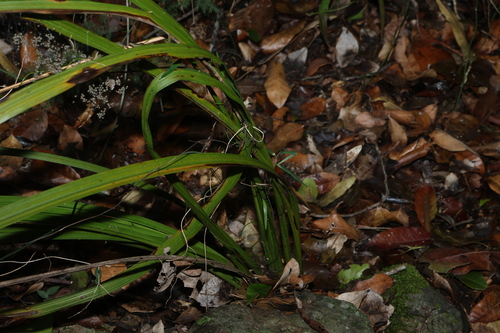 Settler's FlaxGymnostachys anceps
No wildlife links recorded yet
Climbers
Large trees, if you have room
-
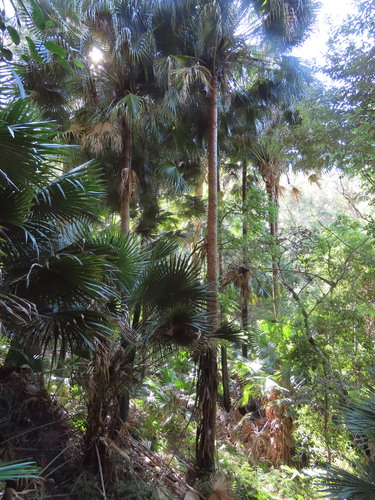 Australian Fan PalmLivistona australis
Food for the Grey-headed Flying-foxFeeds 6 kinds of wildlife
-
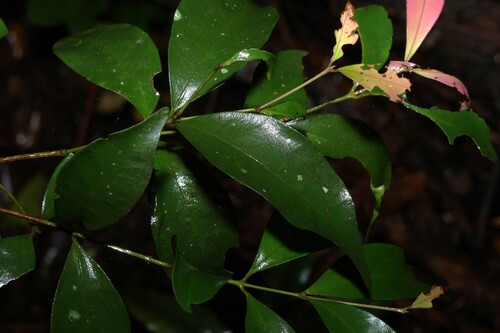 Lilly PillySyzygium smithii
Food for the Grey-headed Flying-foxFeeds 18 kinds of wildlife
-
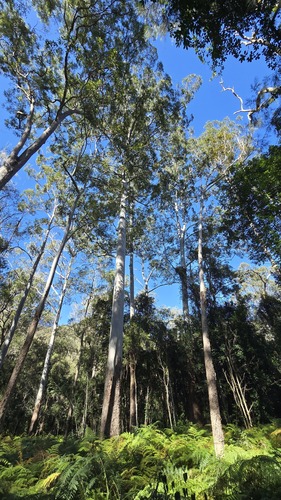 Sydney Blue GumEucalyptus saligna
Food for the Little Lorikeet and othersFeeds 27 kinds of wildlife
-
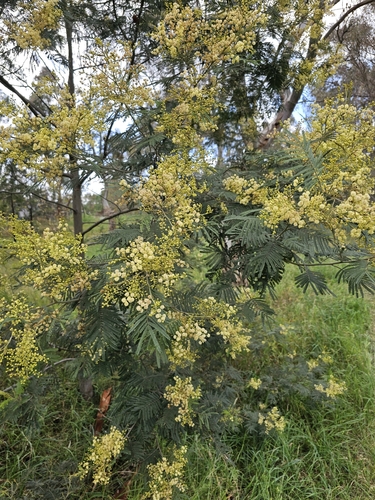 Black WattleAcacia mearnsii
Food for the Gang-gang CockatooFeeds 50 kinds of wildlife