What to plant in Lake Munmorah
514 native plants grow wild within 5 km of Lake Munmorah. Start with the garden-sized ones below: the most common locally, ranked higher when they feed more local wildlife.
32 threatened species recorded nearbyPlant these first
-
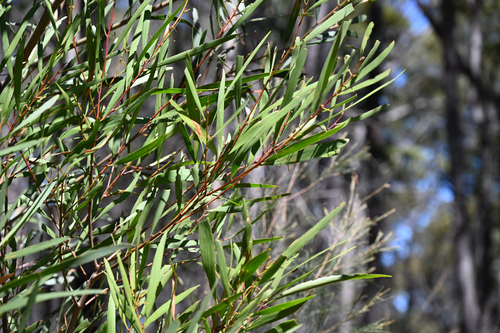 Longleaf WattleAcacia longifolia
Feeds 50 kinds of wildlife
-
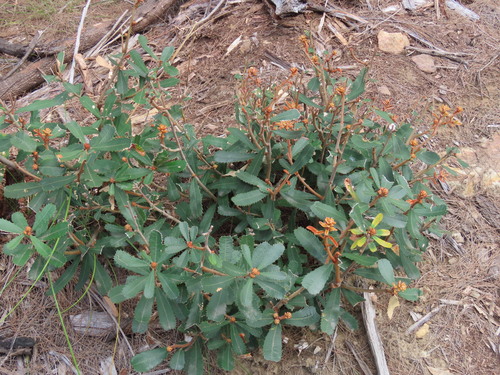 Rusty BanksiaBanksia oblongifolia
Food for the Eastern Pygmy-possum and othersFeeds 12 kinds of wildlife
-
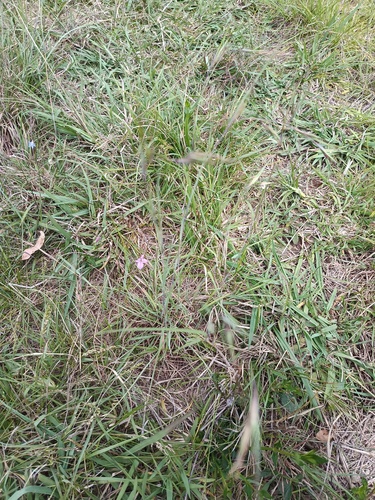 Kangaroo GrassThemeda triandra
Feeds 10 kinds of wildlife
-
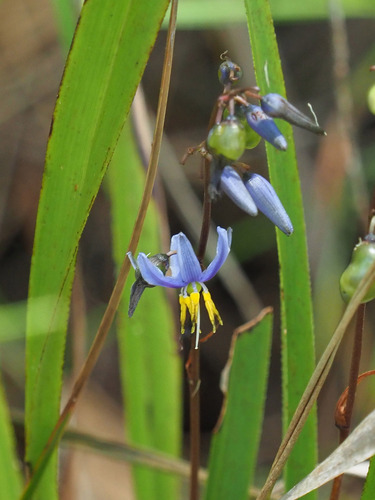 Blue Flax-lilyDianella caerulea
Feeds 8 kinds of wildlife
-
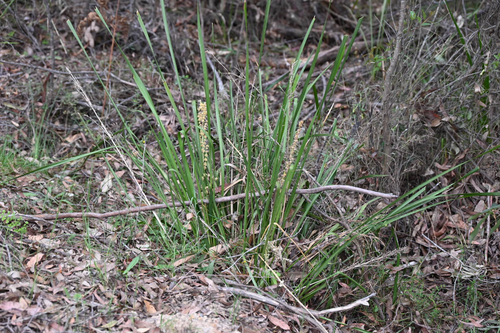 Spiny-headed Mat-rushLomandra longifolia
Feeds 9 kinds of wildlife
-
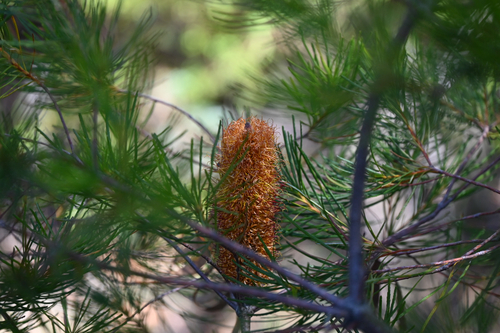 Hill BanksiaBanksia spinulosa
Food for the Grey-headed Flying-fox and othersFeeds 11 kinds of wildlife
-
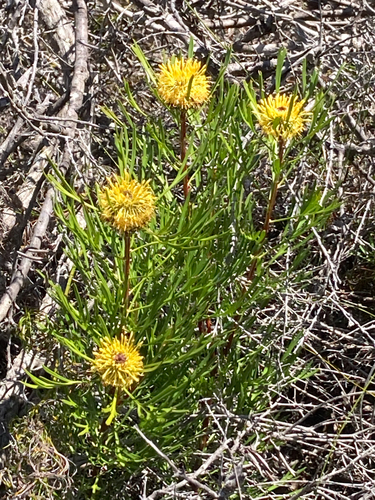 Broad-leaved DrumsticksIsopogon anemonifolius
Feeds 4 kinds of wildlife
-
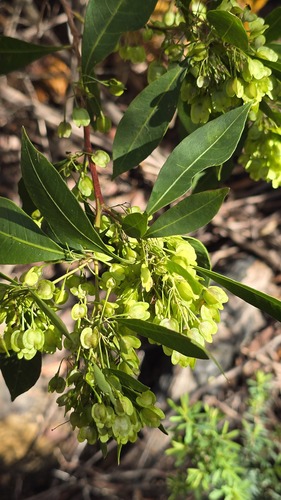 Common Hop BushDodonaea triquetra
Feeds 8 kinds of wildlife
-
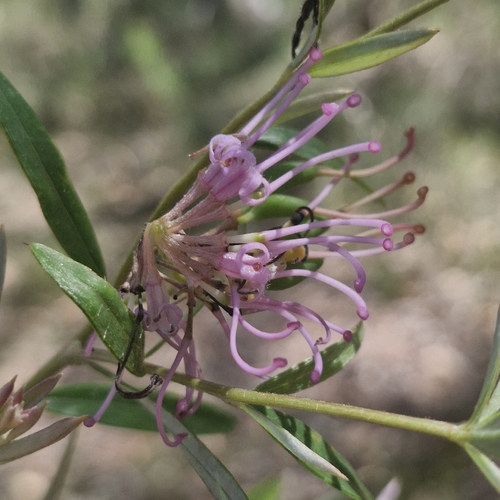 Pink Spider FlowerGrevillea sericea
Feeds 13 kinds of wildlife
-
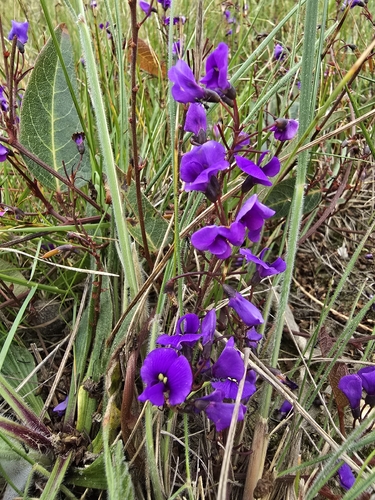 Purple Coral PeaHardenbergia violacea
Feeds 9 kinds of wildlife
-
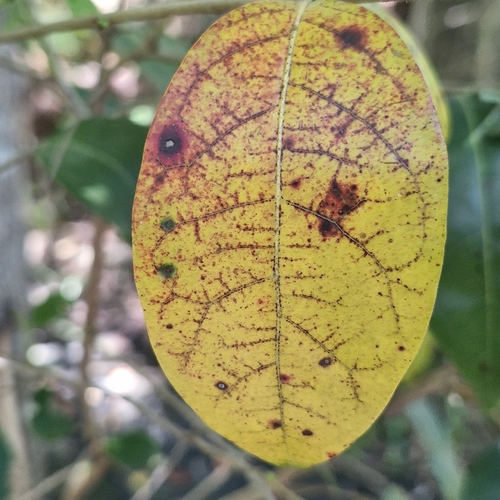 Cheese TreeGlochidion ferdinandi
Feeds 6 kinds of wildlife
-
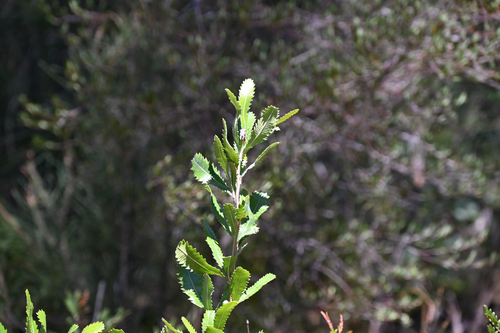 Old Man BanksiaBanksia serrata
Food for the Grey-headed Flying-fox and othersFeeds 20 kinds of wildlife
For a small garden: trees up to 8 m
-
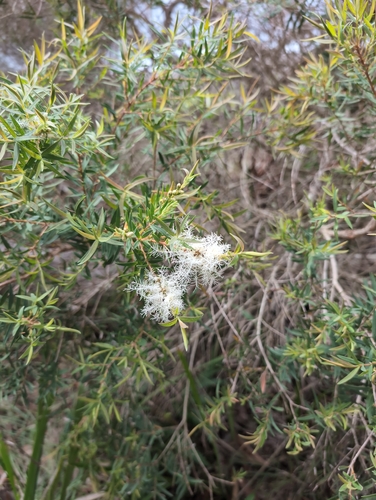 Snow-in-SummerMelaleuca linariifolia
Food for the Grey-headed Flying-foxFeeds 26 kinds of wildlife
-
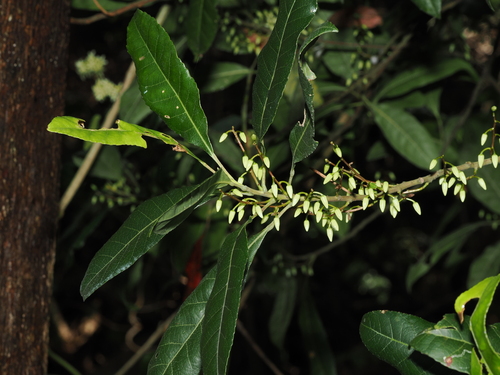 Blueberry AshElaeocarpus reticulatus
Feeds 9 kinds of wildlife
-
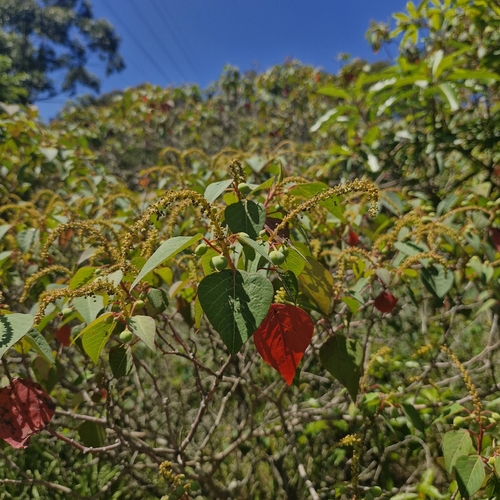 Bleeding HeartHomalanthus populifolius
Feeds 11 kinds of wildlife
-
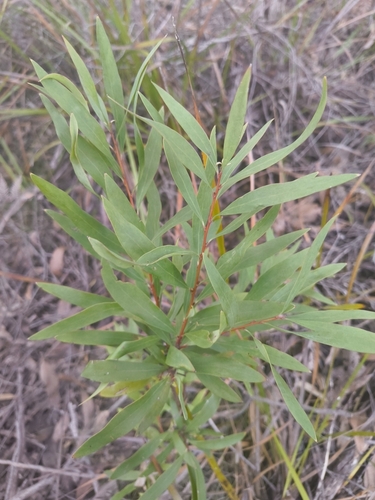 Willow-leaved HakeaHakea salicifolia
Feeds 2 kinds of wildlifePrickly
-
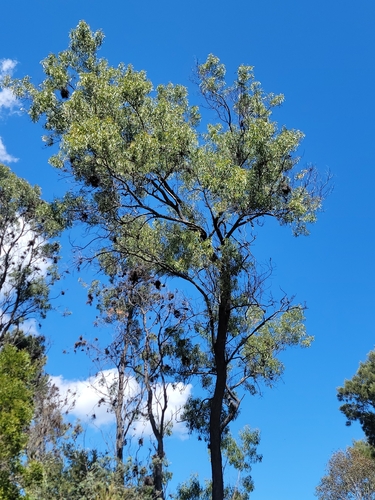 LightwoodAcacia implexa
Feeds 10 kinds of wildlife
Shrubs for screening and shelter
-
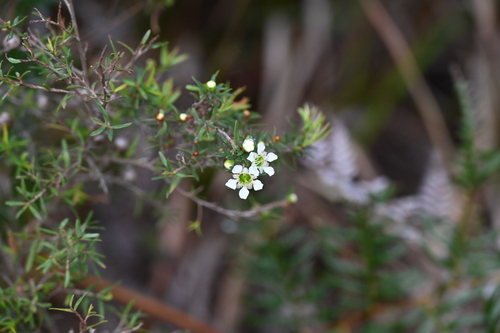 Tea TreeLeptospermum polygalifolium
Feeds 33 kinds of wildlife
-
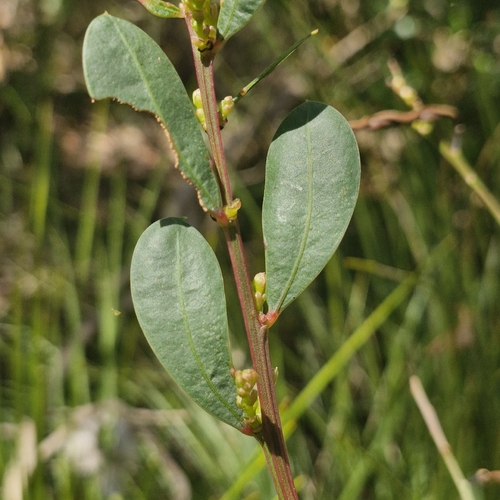 Myrtle WattleAcacia myrtifolia
Feeds 5 kinds of wildlife
-
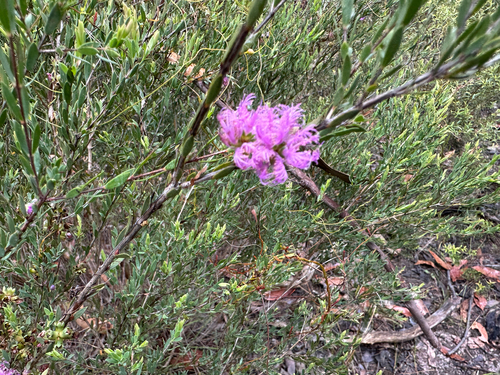 Thyme Honey-myrtleMelaleuca thymifolia
Food for the Grey-headed Flying-foxFeeds 8 kinds of wildlife
-
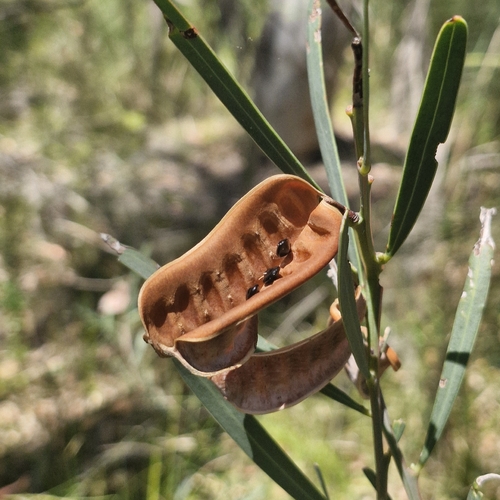 Sweet WattleAcacia suaveolens
Feeds 4 kinds of wildlife
-
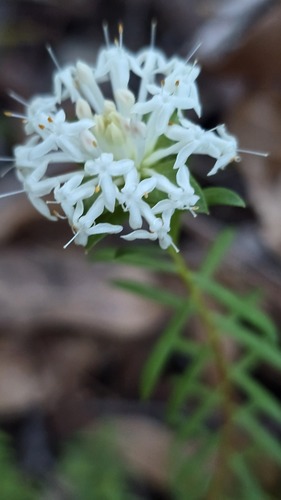 Slender Rice FlowerPimelea linifolia
Feeds 11 kinds of wildlifeToxic to pets
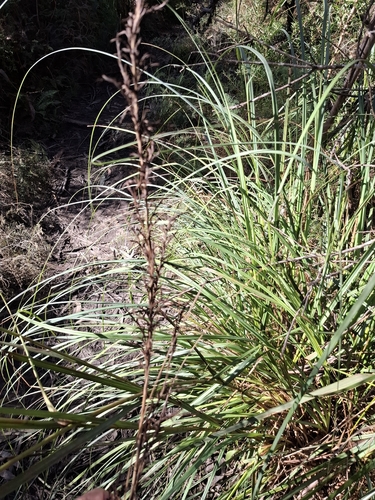
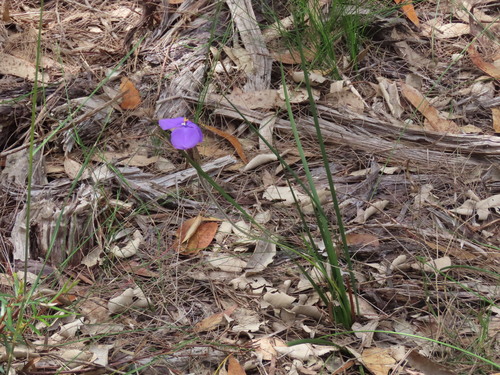
Groundcovers, grasses and strappy plants
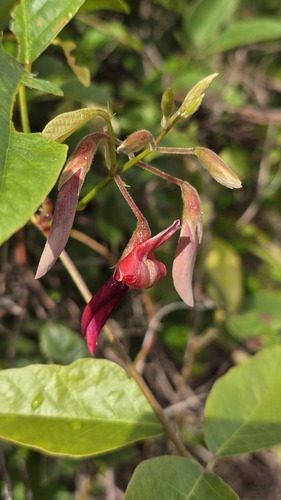
Climbers
Large trees, if you have room
-
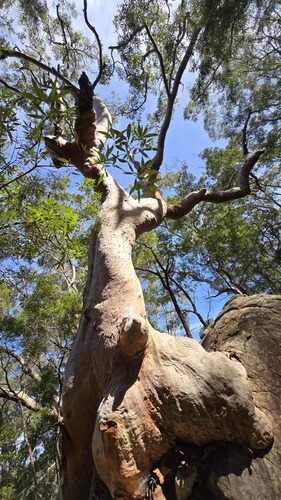 Smooth-barked AppleAngophora costata
Feeds 18 kinds of wildlife
-
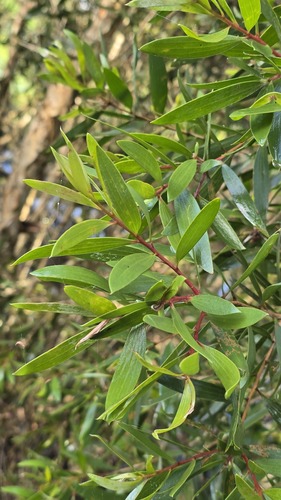 Broad-leaved PaperbarkMelaleuca quinquenervia
Food for the Grey-headed Flying-foxFeeds 90 kinds of wildlife
-
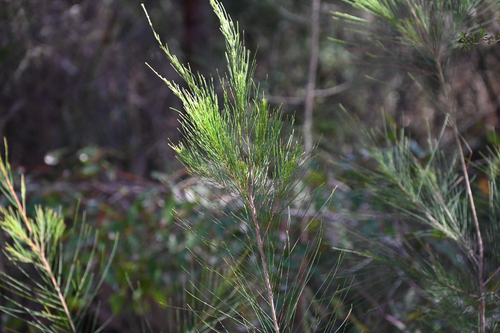 Black SheoakAllocasuarina littoralis
Feeds 13 kinds of wildlife
-
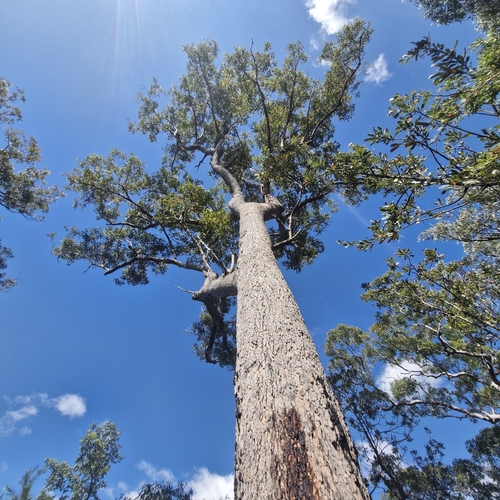 Red BloodwoodCorymbia gummifera
Food for the Little LorikeetFeeds 19 kinds of wildlife