What to plant in Potato Point
590 native plants grow wild within 5 km of Potato Point. Start with the garden-sized ones below: the most common locally, ranked higher when they feed more local wildlife.
34 threatened species recorded nearbyPlant these first
-
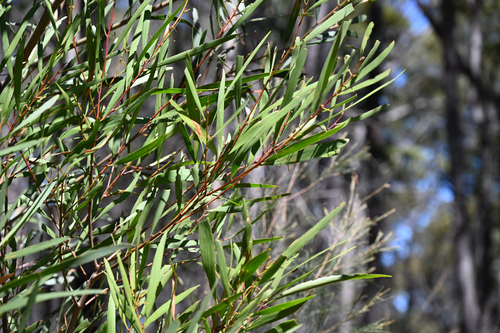 Longleaf WattleAcacia longifolia
Food for the Gang-gang CockatooFeeds 50 kinds of wildlife
-
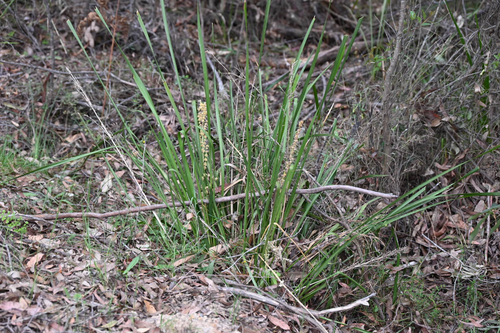 Spiny-headed Mat-rushLomandra longifolia
Feeds 9 kinds of wildlife
-
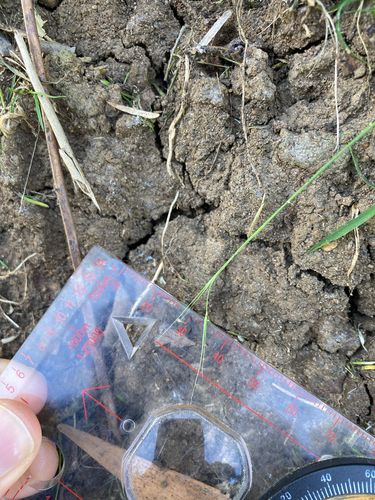 Weeping-grassMicrolaena stipoides
Feeds 6 kinds of wildlife
-
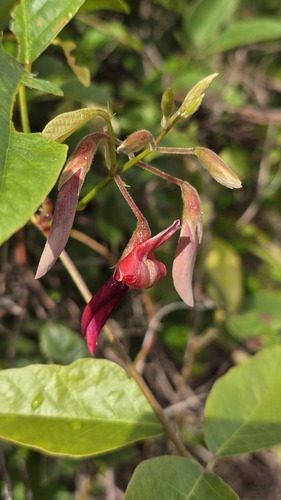 Dusky Coral PeaKennedia rubicunda
Feeds 2 kinds of wildlife
-
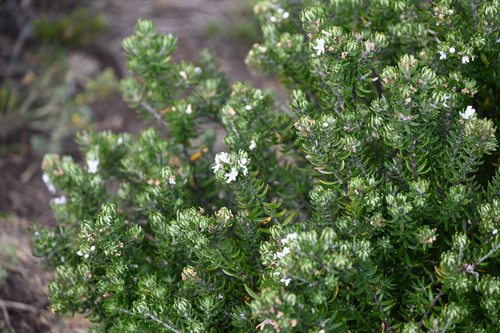 Coastal RosemaryWestringia fruticosa
Feeds 10 kinds of wildlife
-
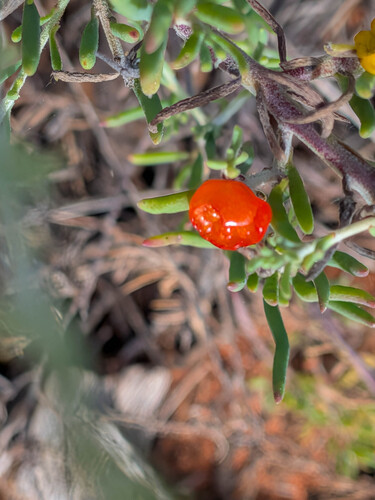 Ruby SaltbushEnchylaena tomentosa
Feeds 7 kinds of wildlife
-
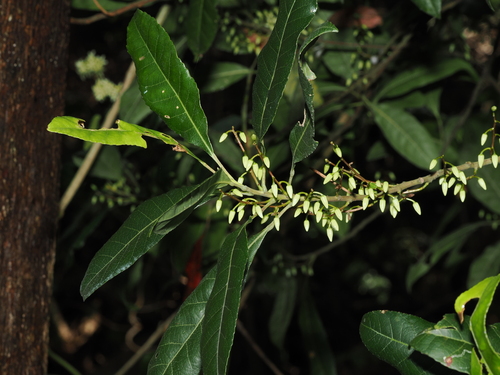 Blueberry AshElaeocarpus reticulatus
Food for the Gang-gang CockatooFeeds 9 kinds of wildlife
-
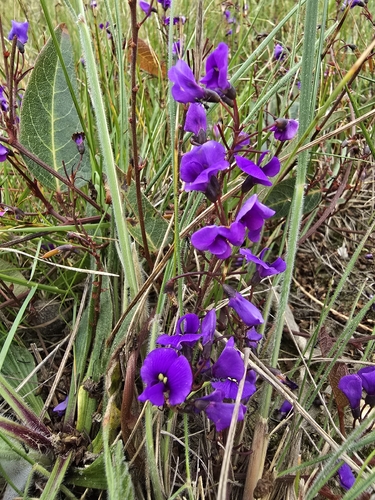 Purple Coral PeaHardenbergia violacea
Feeds 9 kinds of wildlife
-
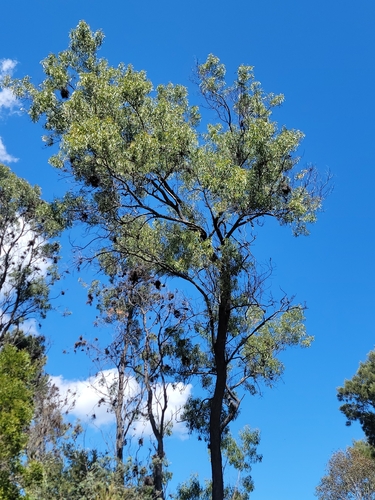 LightwoodAcacia implexa
Food for the Gang-gang CockatooFeeds 10 kinds of wildlife
-
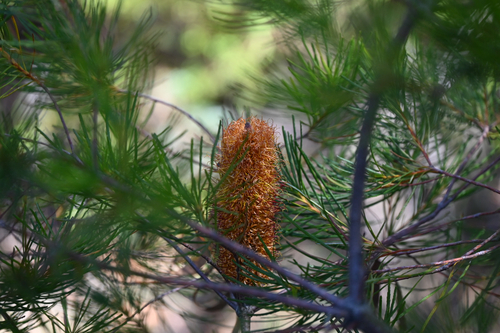 Hill BanksiaBanksia spinulosa
Food for the Grey-headed Flying-foxFeeds 11 kinds of wildlife
-
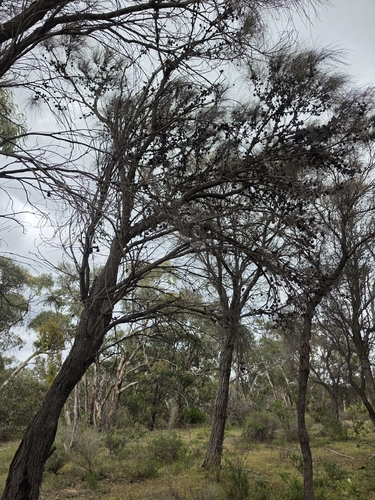 Drooping SheoakAllocasuarina verticillata
Feeds 8 kinds of wildlife
-
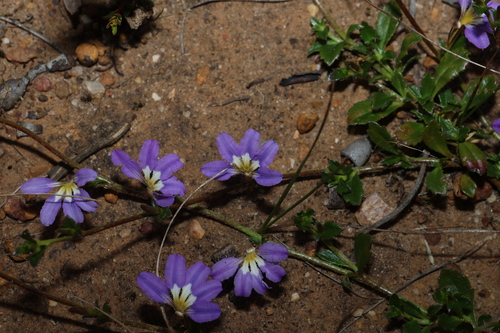
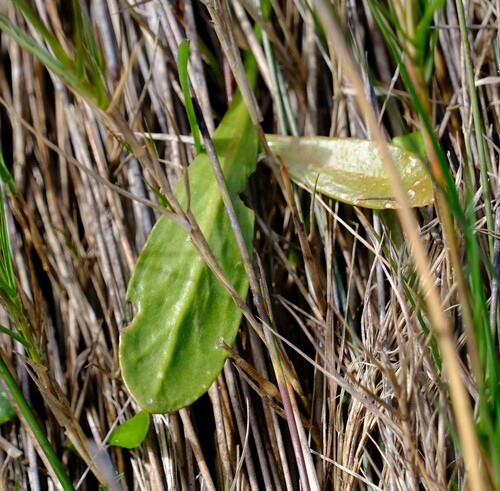 SellieraGoodenia radicans
Feeds 1 kind of wildlife
For a small garden: trees up to 8 m
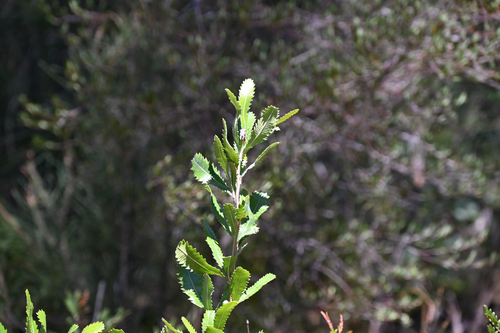
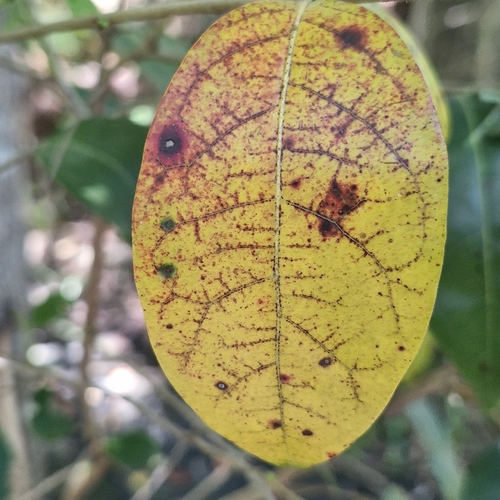
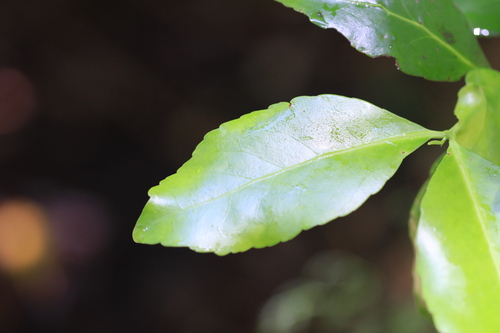
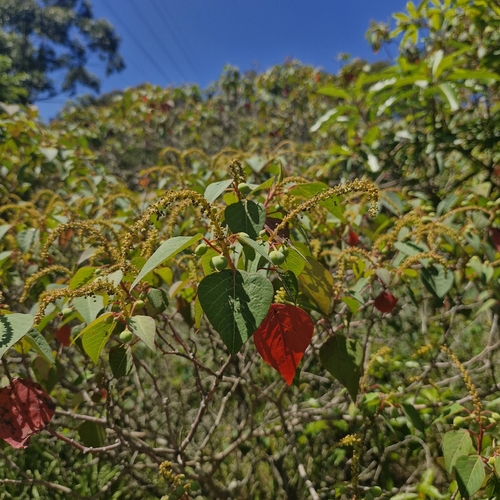
Shrubs for screening and shelter
-
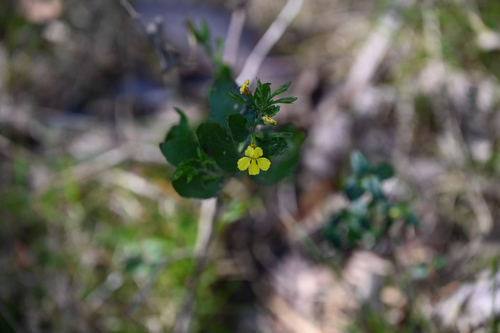 Hop GoodeniaGoodenia ovata
Feeds 9 kinds of wildlife
-
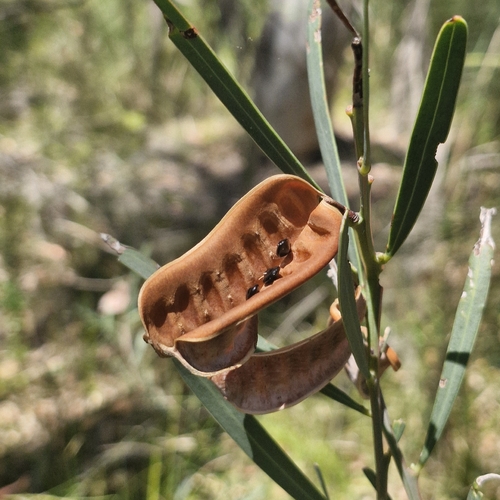 Sweet WattleAcacia suaveolens
Feeds 4 kinds of wildlife
-
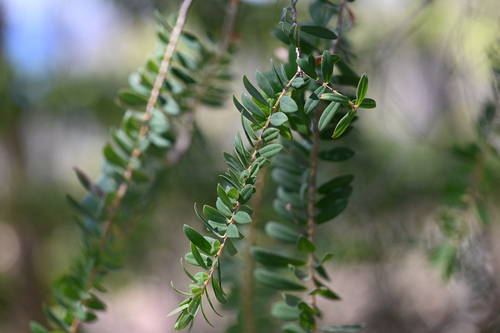 Hillock BushMelaleuca hypericifolia
Food for the Grey-headed Flying-foxFeeds 9 kinds of wildlife
-
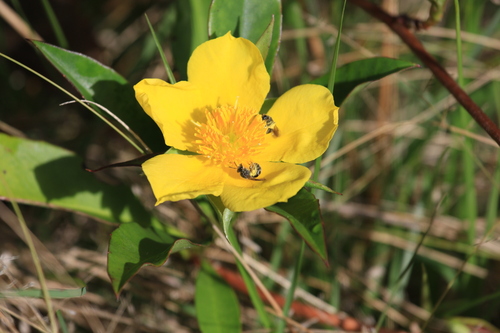
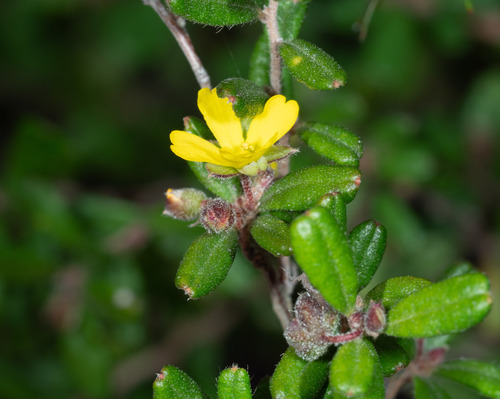 Rough Guinea FlowerHibbertia aspera
No wildlife links recorded yet
-
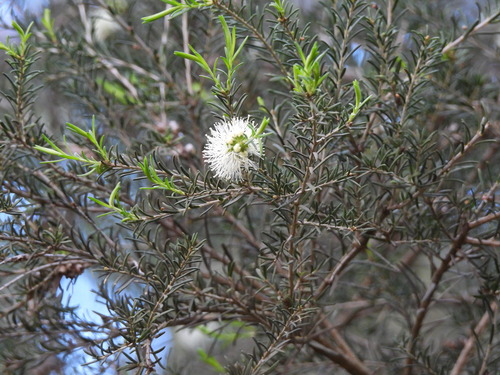 Swamp PaperbarkMelaleuca ericifolia
Food for the Grey-headed Flying-foxFeeds 11 kinds of wildlife
Groundcovers, grasses and strappy plants
Climbers
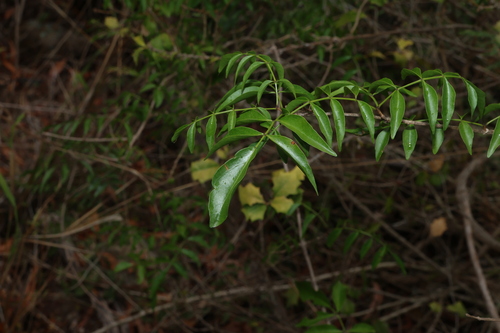
Large trees, if you have room
-
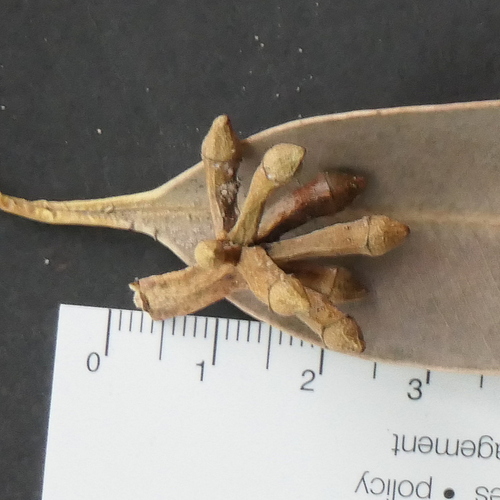 BangalayEucalyptus botryoides
Food for the Gang-gang Cockatoo and othersFeeds 21 kinds of wildlife
-
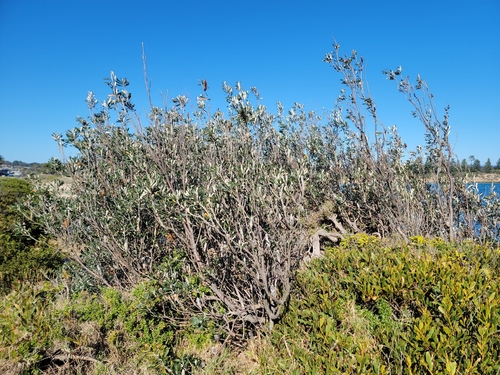 Coastal BanksiaBanksia integrifolia
Food for the Grey-headed Flying-foxFeeds 31 kinds of wildlife
-
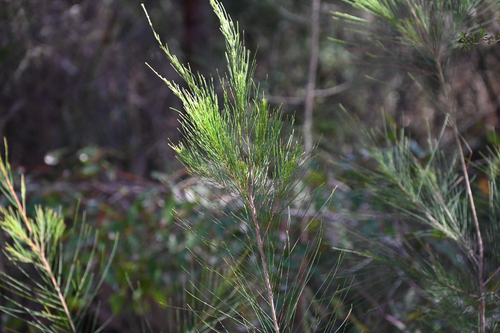 Black SheoakAllocasuarina littoralis
Feeds 13 kinds of wildlife
-
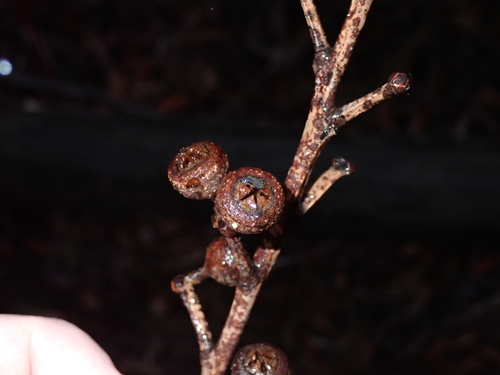 BlackbuttEucalyptus pilularis
Food for the Gang-gang Cockatoo and othersFeeds 22 kinds of wildlife