What to plant in St Helens Plains
320 native plants grow wild within 10 km of St Helens Plains. Start with the garden-sized ones below: the most common locally, ranked higher when they feed more local wildlife.
8 threatened species recorded nearbyPlant these first
-
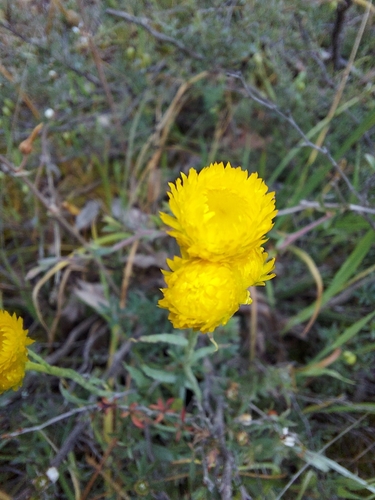 Common EverlastingChrysocephalum apiculatum
Feeds 3 kinds of wildlife
-
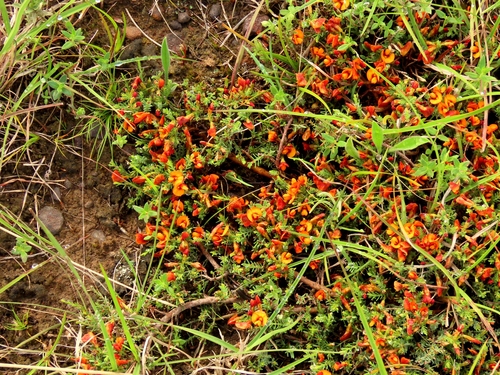 Common EutaxiaEutaxia microphylla
Feeds 2 kinds of wildlife
-
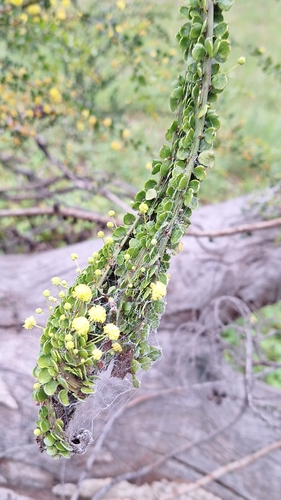 Round-leaved WattleAcacia acinacea
Feeds 5 kinds of wildlife
-
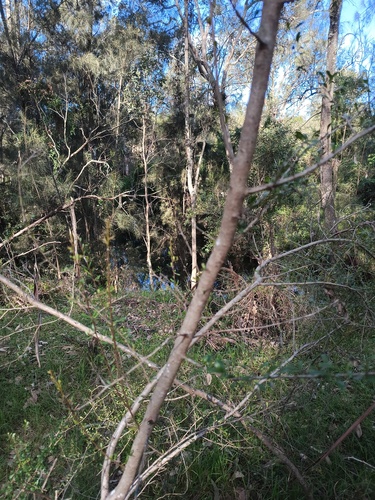 Australian BlackthornBursaria spinosa
Feeds 54 kinds of wildlifePrickly
-
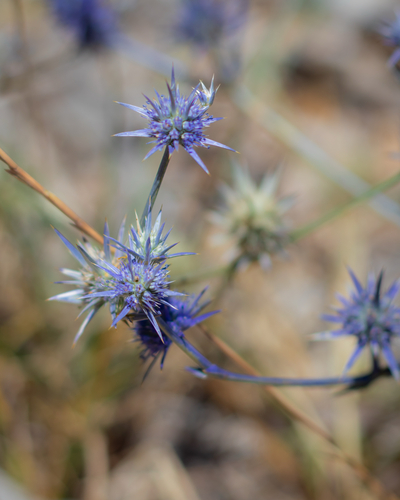 Blue DevilEryngium ovinum
No wildlife links recorded yet
-
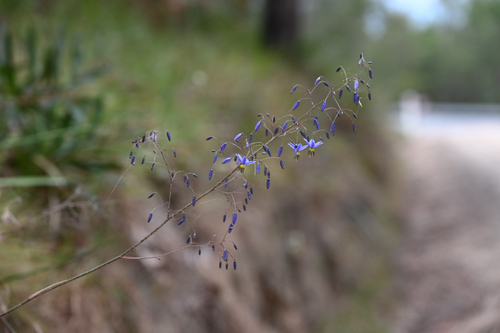 Blueberry LilyDianella revoluta
Feeds 1 kind of wildlife
-
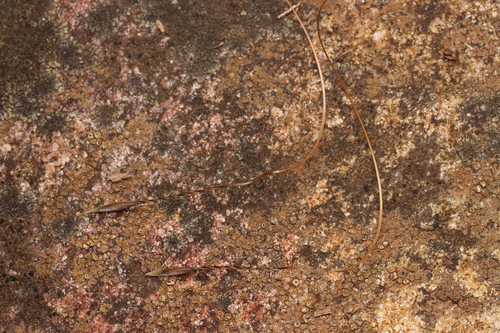 SpeargrassAustrostipa scabra
Feeds 3 kinds of wildlife
-
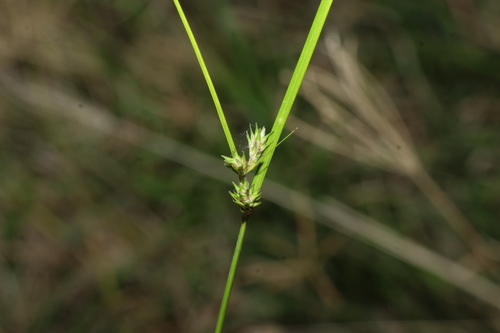 Knob SedgeCarex inversa
No wildlife links recorded yet
-
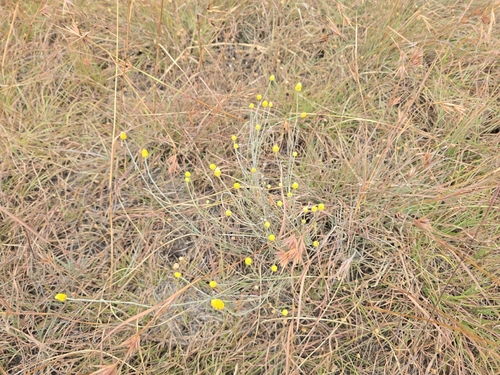 Lemon Beauty-headsCalocephalus citreus
No wildlife links recorded yet
-
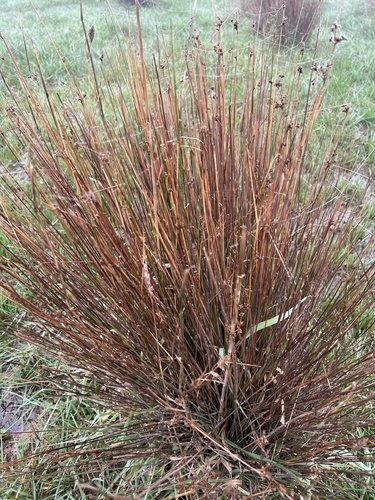 Fingered RushJuncus subsecundus
No wildlife links recorded yet
-
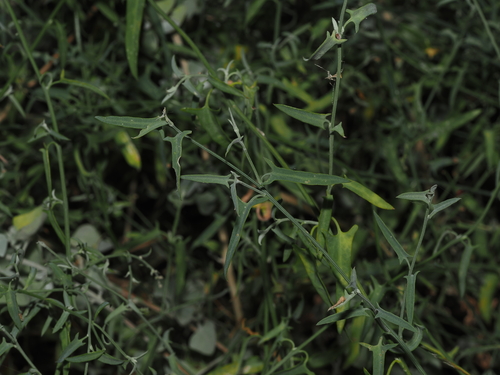 Climbing SaltbushEinadia nutans
Feeds 1 kind of wildlife
-
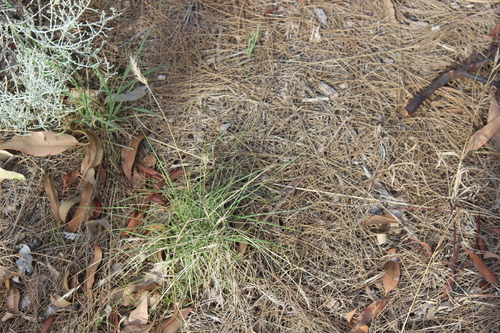 Ringed Wallaby GrassRytidosperma caespitosum
No wildlife links recorded yet
For a small garden: trees up to 8 m
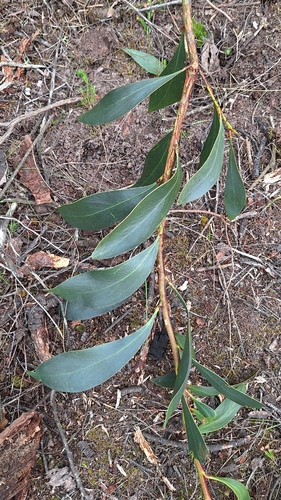
Shrubs for screening and shelter
-
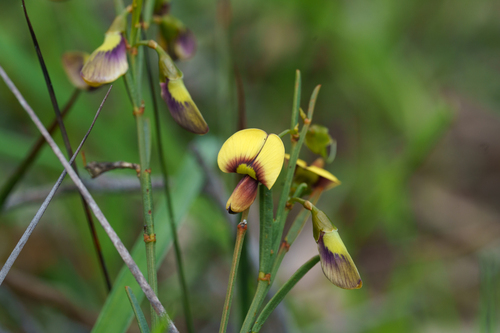 Leafy TempletoniaTempletonia stenophylla
No wildlife links recorded yet
-
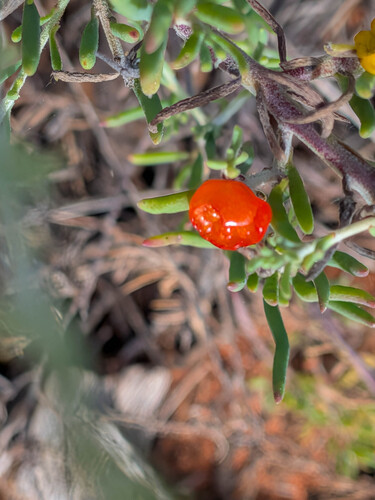 Ruby SaltbushEnchylaena tomentosa
Feeds 7 kinds of wildlife
-
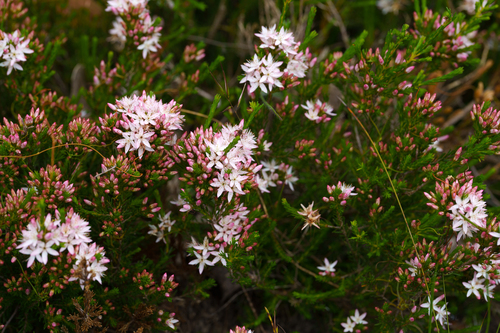 Fringe MyrtleCalytrix tetragona
Feeds 22 kinds of wildlife
-
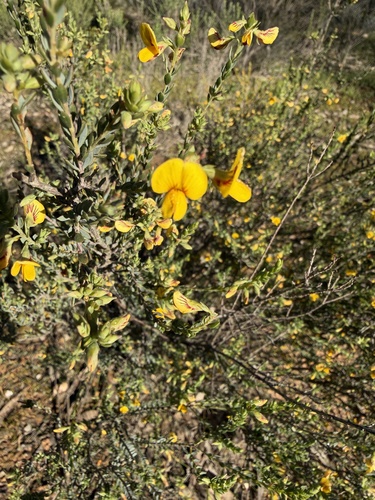 Large-leaf EutaxiaEutaxia diffusa
No wildlife links recorded yet
-
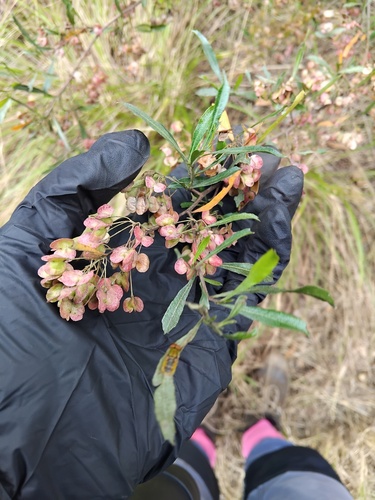 Sticky Hop-bushDodonaea viscosa
Feeds 20 kinds of wildlife
Groundcovers, grasses and strappy plants
-
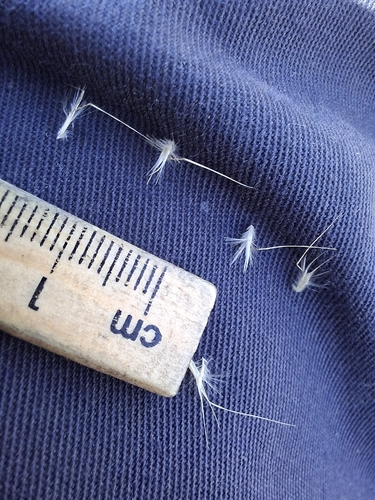 Bristly Wallaby-grassRytidosperma setaceum
No wildlife links recorded yet
-
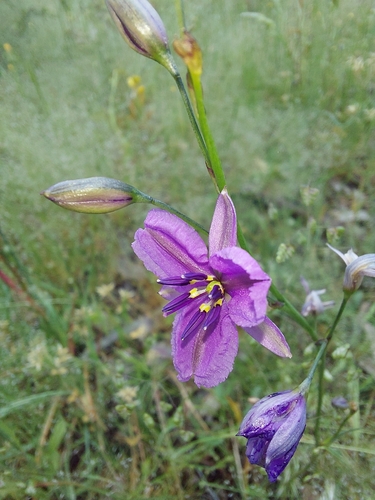 Chocolate LilyArthropodium strictum
No wildlife links recorded yet
-
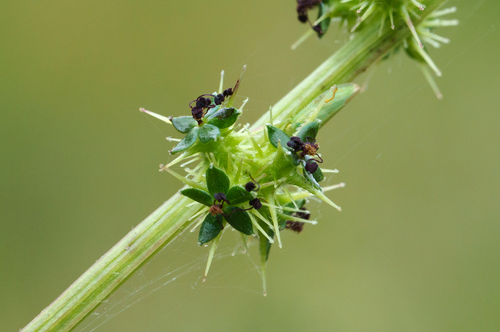 Sheep's BurrAcaena echinata
No wildlife links recorded yet
-
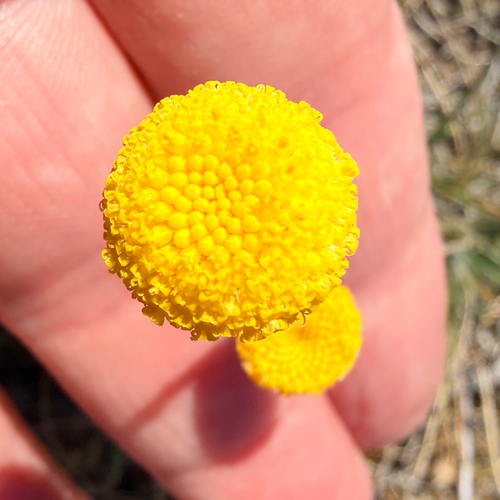 Scaly-buttonsLeptorhynchos squamatus
Feeds 1 kind of wildlife
-
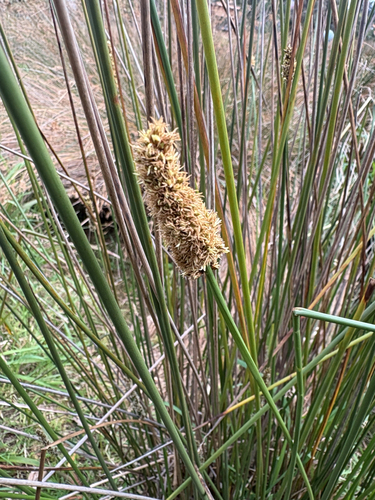 PoongortCarex tereticaulis
No wildlife links recorded yet