What to plant in Stuarts Point
369 native plants grow wild within 5 km of Stuarts Point. Start with the garden-sized ones below: the most common locally, ranked higher when they feed more local wildlife.
26 threatened species recorded nearbyPlant these first
-
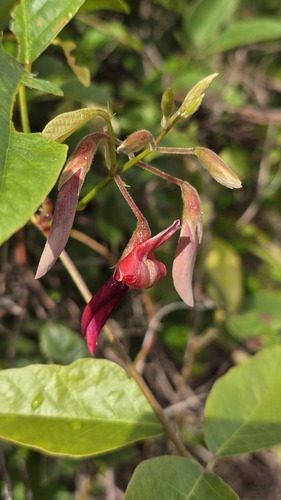
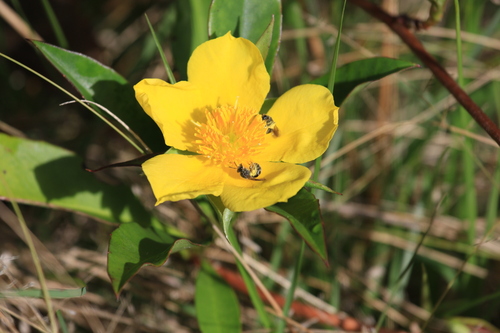 Climbing Guinea FlowerHibbertia scandens
Food for the Wompoo Fruit-Dove and othersFeeds 14 kinds of wildlife
-
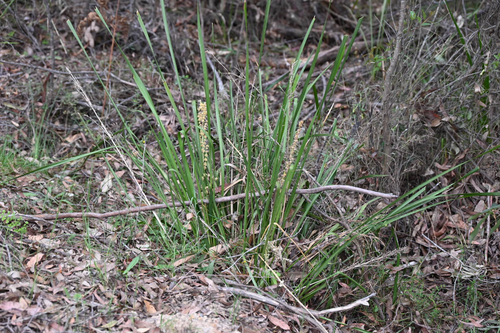 Spiny-headed Mat-rushLomandra longifolia
Feeds 9 kinds of wildlife
-
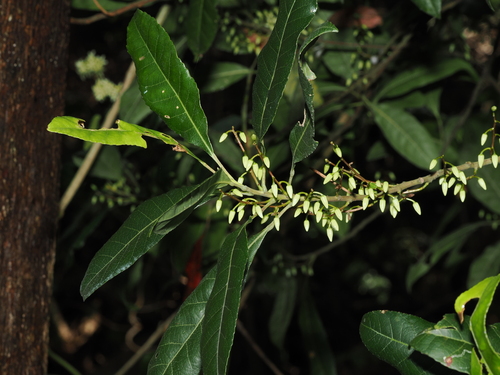 Blueberry AshElaeocarpus reticulatus
Food for the Wompoo Fruit-DoveFeeds 9 kinds of wildlife
-
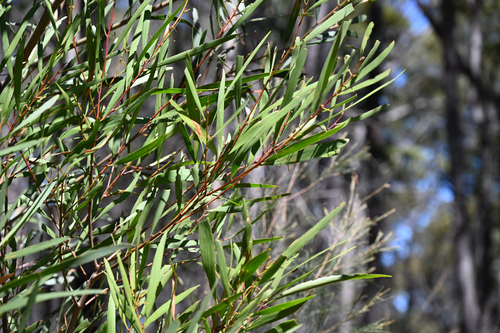 Longleaf WattleAcacia longifolia
Feeds 50 kinds of wildlife
-
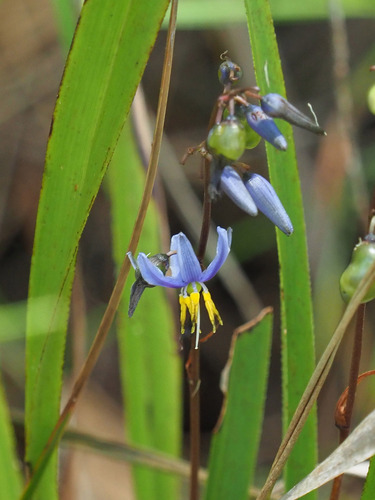 Blue Flax-lilyDianella caerulea
Feeds 8 kinds of wildlife
-
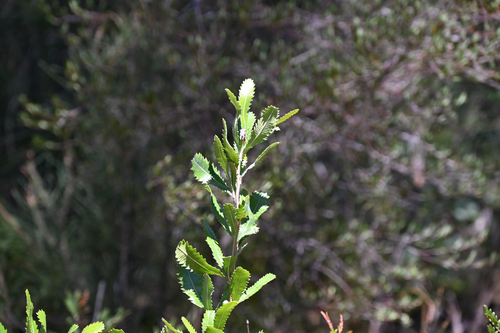 Old Man BanksiaBanksia serrata
Food for the Grey-headed Flying-foxFeeds 20 kinds of wildlife
-
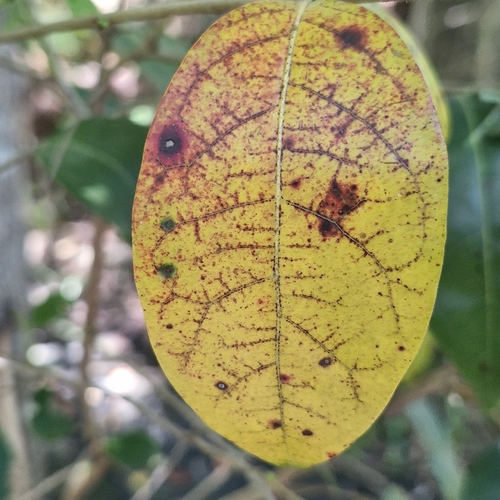 Cheese TreeGlochidion ferdinandi
Feeds 6 kinds of wildlife
-
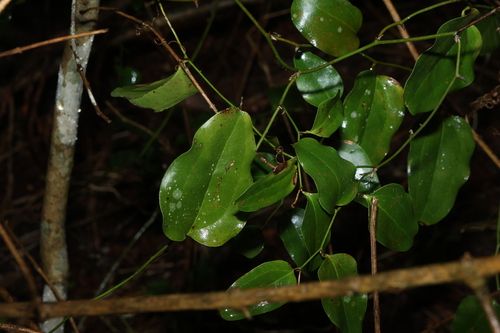
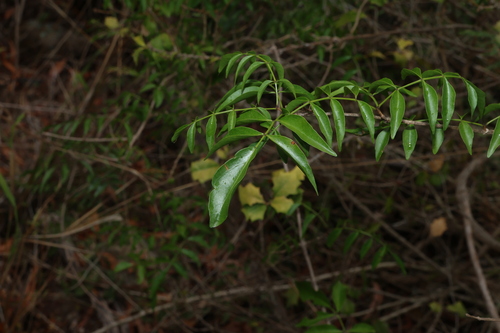 Wonga VinePandorea pandorana
Feeds 4 kinds of wildlife
-
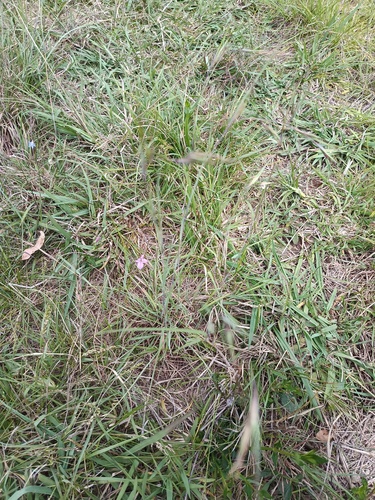 Kangaroo GrassThemeda triandra
Feeds 10 kinds of wildlife
-
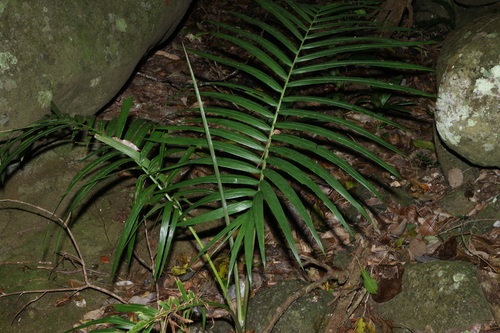 Bangalow Palm (Piccabeen)Archontophoenix cunninghamiana
Food for the Wompoo Fruit-Dove and othersFeeds 16 kinds of wildlife
-
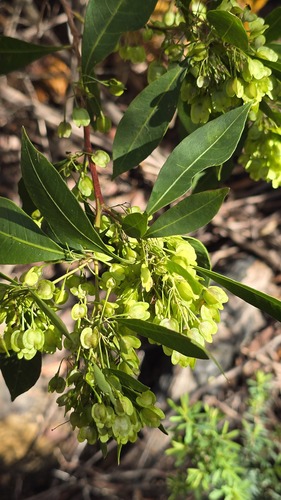 Common Hop BushDodonaea triquetra
Feeds 8 kinds of wildlife
-
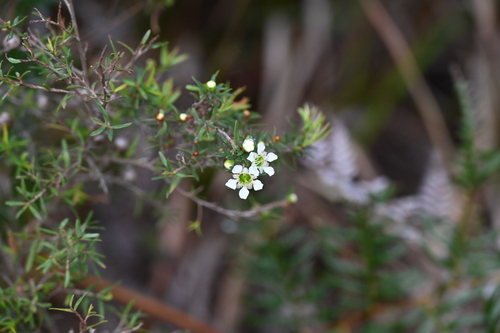 Tea TreeLeptospermum polygalifolium
Feeds 33 kinds of wildlife
For a small garden: trees up to 8 m
-
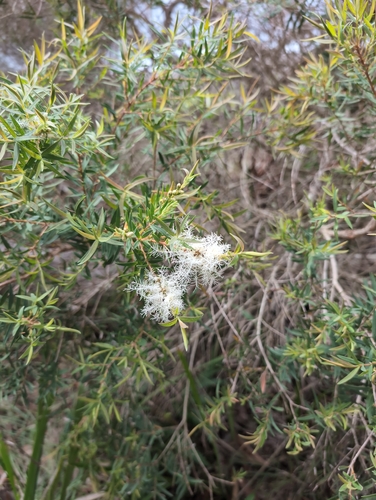 Snow-in-SummerMelaleuca linariifolia
Food for the Grey-headed Flying-foxFeeds 26 kinds of wildlife
-
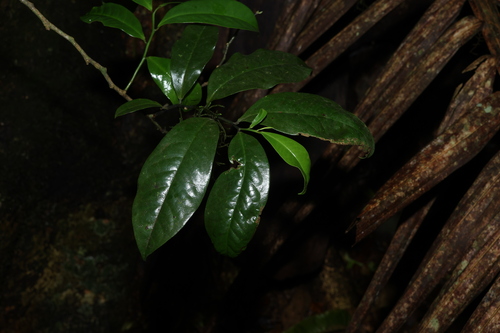 BolwarraEupomatia laurina
Feeds 2 kinds of wildlife
-
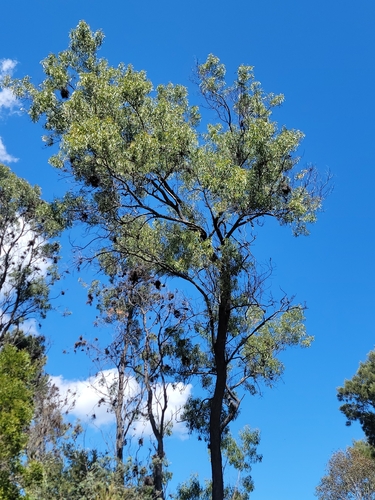 LightwoodAcacia implexa
Feeds 10 kinds of wildlife
-
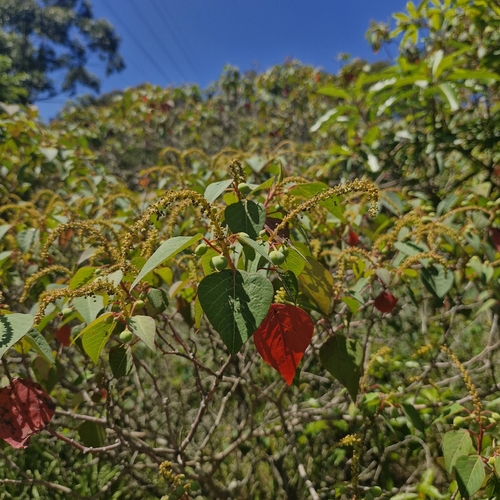 Bleeding HeartHomalanthus populifolius
Food for the Rose-crowned Fruit Dove and othersFeeds 11 kinds of wildlife
-
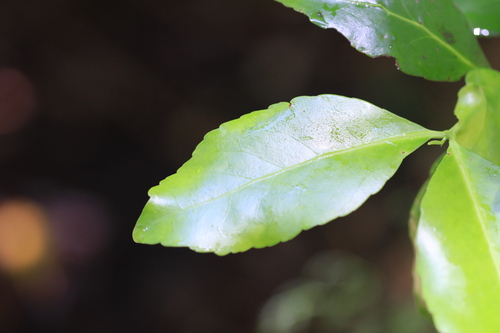 Red-fruited Olive PlumElaeodendron australe
Feeds 2 kinds of wildlife
Shrubs for screening and shelter
-
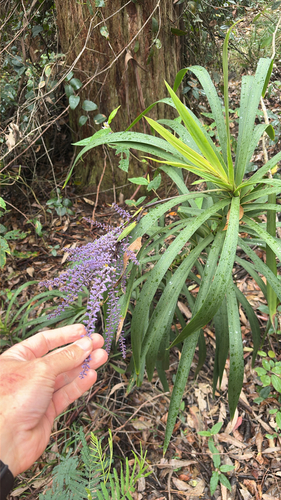 Slender Palm LilyCordyline stricta
Feeds 1 kind of wildlife
-
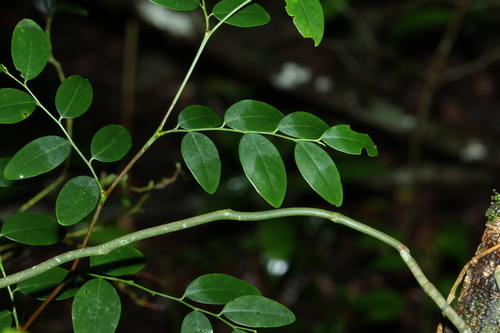 Coffee BushBreynia oblongifolia
Feeds 9 kinds of wildlife
-
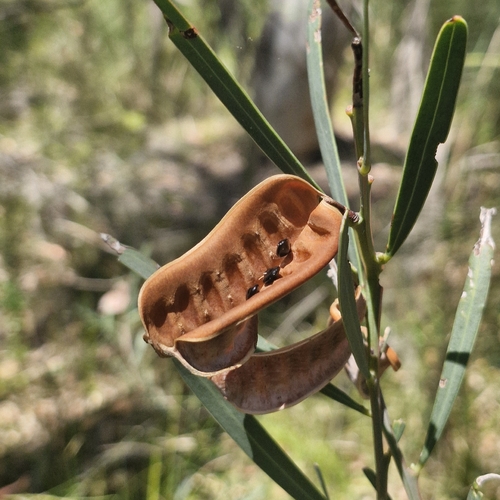 Sweet WattleAcacia suaveolens
Feeds 4 kinds of wildlife
-
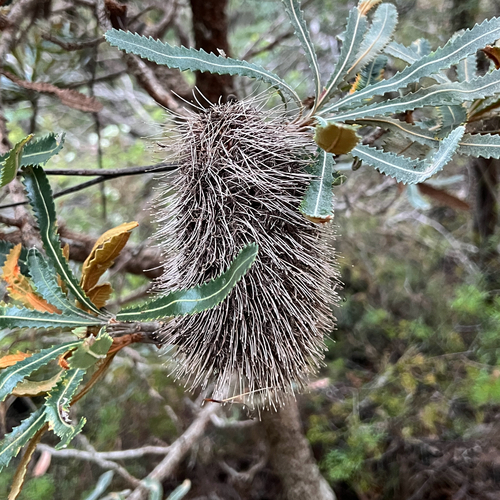 Wallum BanksiaBanksia aemula
Food for the Grey-headed Flying-foxFeeds 8 kinds of wildlife
-
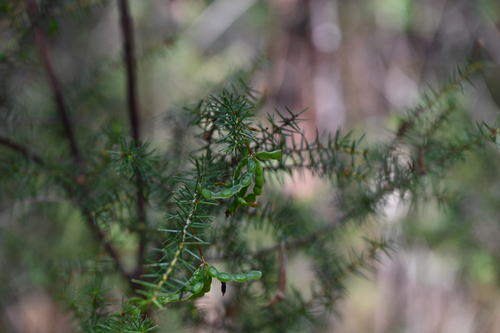 Juniper WattleAcacia ulicifolia
Feeds 1 kind of wildlifePrickly
Groundcovers, grasses and strappy plants
-
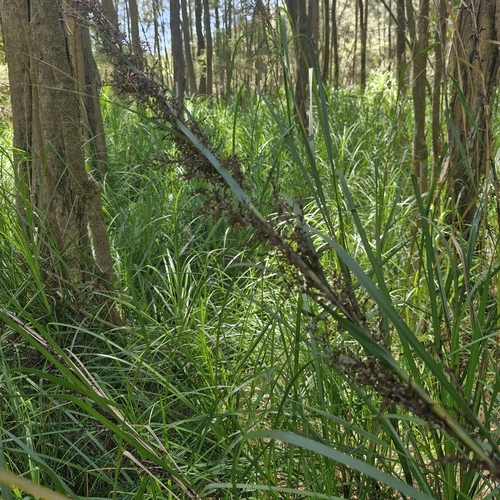 Tall Saw-sedgeGahnia clarkei
Feeds 8 kinds of wildlife
-
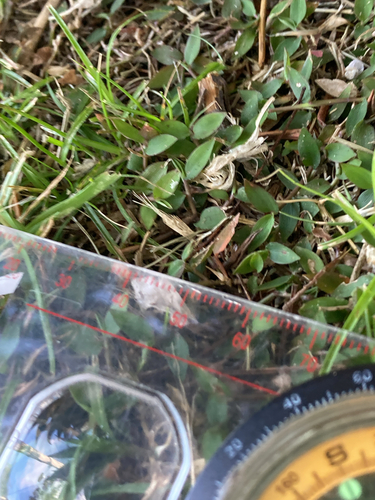 Basket GrassOplismenus hirtellus
Feeds 2 kinds of wildlife
-
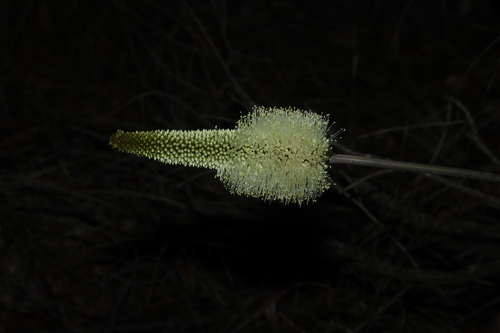 Bottlebrush GrasstreeXanthorrhoea macronema
No wildlife links recorded yetPrickly
-
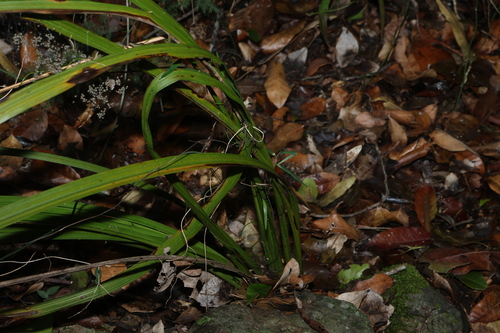 Settler's FlaxGymnostachys anceps
No wildlife links recorded yet
-
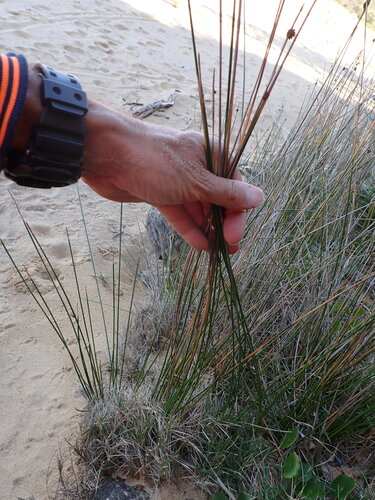 Knobby ClubrushFicinia nodosa
No wildlife links recorded yet
Climbers
Large trees, if you have room
-
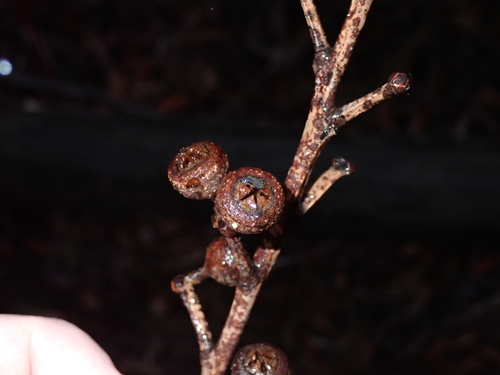 BlackbuttEucalyptus pilularis
Food for the Little LorikeetFeeds 22 kinds of wildlife
-
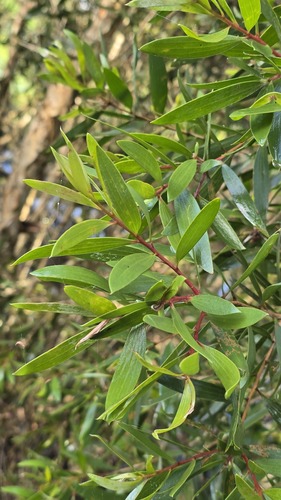 Broad-leaved PaperbarkMelaleuca quinquenervia
Food for the Grey-headed Flying-foxFeeds 90 kinds of wildlife
-
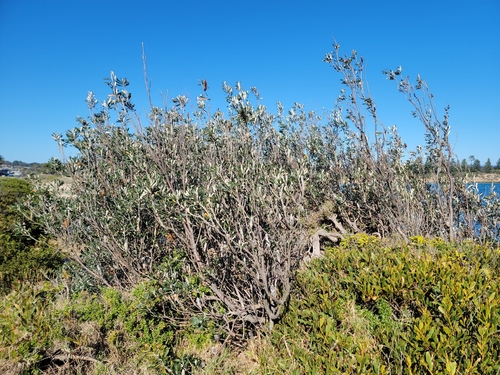 Coastal BanksiaBanksia integrifolia
Food for the Grey-headed Flying-foxFeeds 31 kinds of wildlife
-
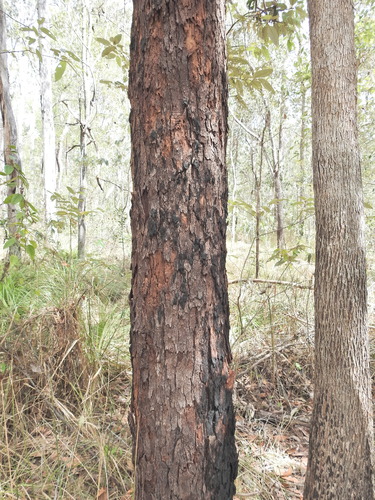 Pink BloodwoodCorymbia intermedia
Food for the Little Lorikeet and othersFeeds 19 kinds of wildlife