What to plant in Tea Gardens
340 native plants grow wild within 5 km of Tea Gardens. Start with the garden-sized ones below: the most common locally, ranked higher when they feed more local wildlife.
20 threatened species recorded nearbyPlant these first
-
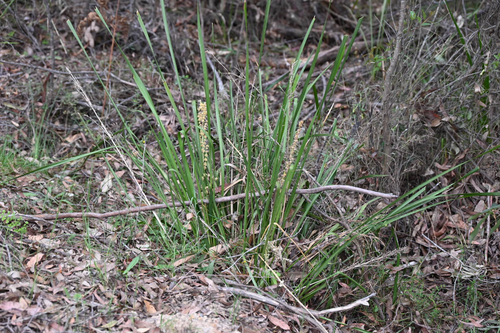 Spiny-headed Mat-rushLomandra longifolia
Feeds 9 kinds of wildlife
-
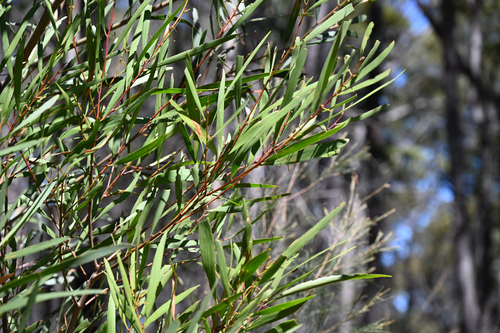 Longleaf WattleAcacia longifolia
Feeds 50 kinds of wildlife
-
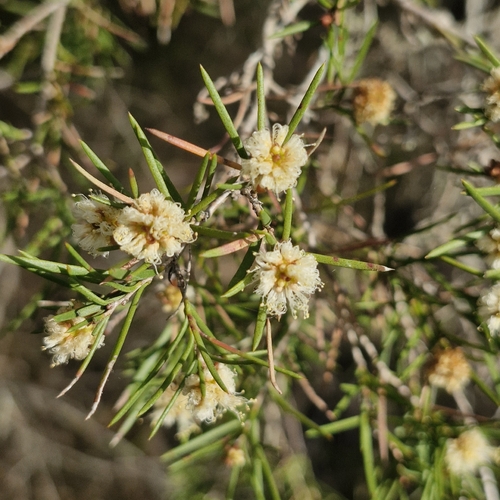 Ball Honey-myrtleMelaleuca nodosa
Food for the Grey-headed Flying-foxFeeds 9 kinds of wildlife
-
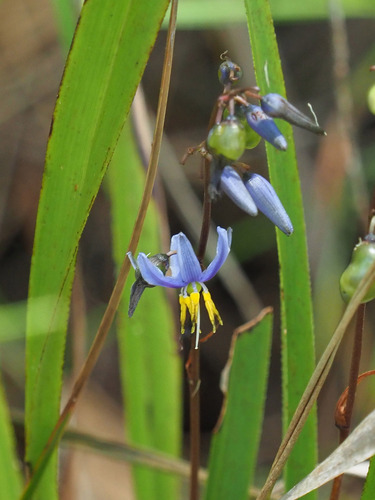 Blue Flax-lilyDianella caerulea
Feeds 8 kinds of wildlife
-
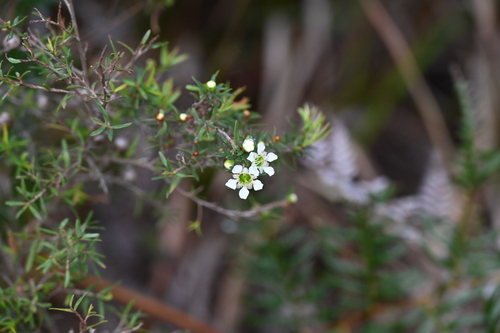 Tea TreeLeptospermum polygalifolium
Feeds 33 kinds of wildlife
-
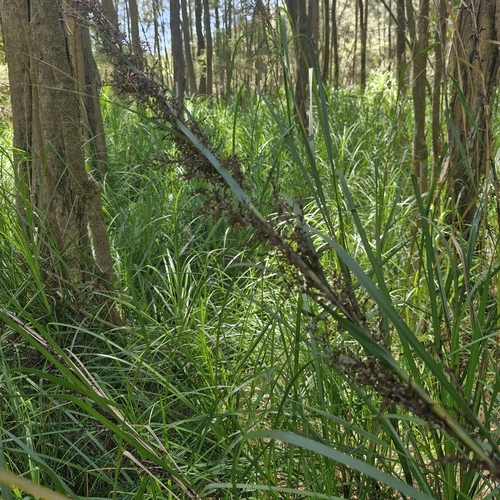 Tall Saw-sedgeGahnia clarkei
Feeds 8 kinds of wildlife
-
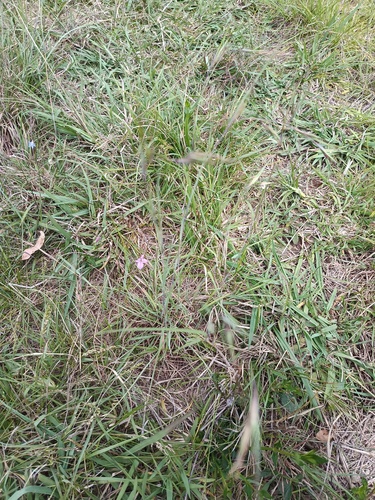 Kangaroo GrassThemeda triandra
Feeds 10 kinds of wildlife
-
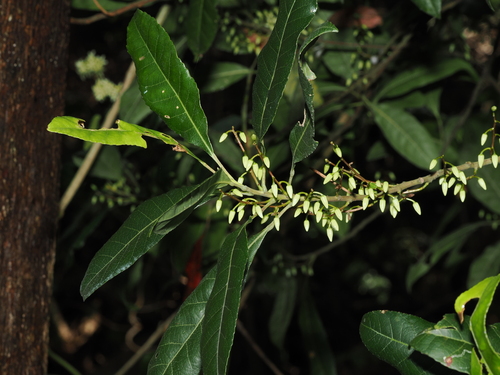
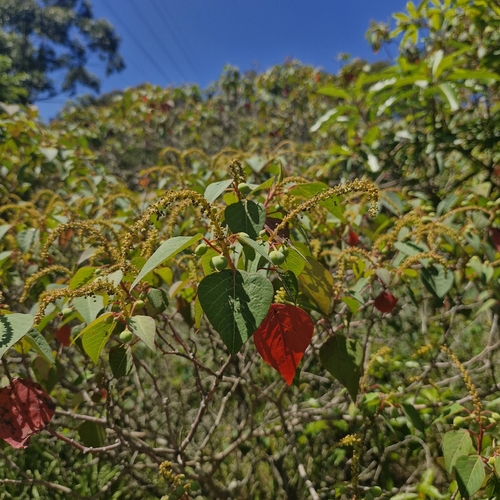
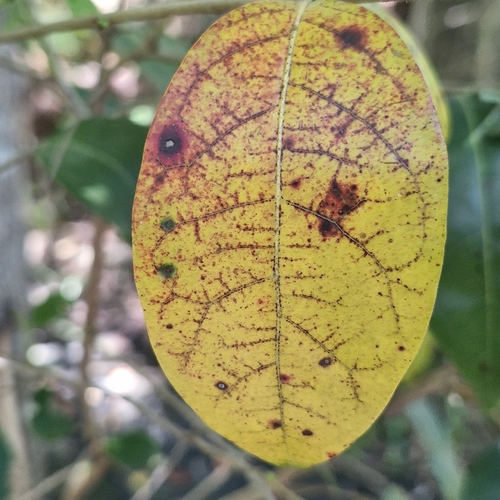 Cheese TreeGlochidion ferdinandi
Feeds 6 kinds of wildlife
-
 Weeping-grassMicrolaena stipoides
Feeds 6 kinds of wildlife
-
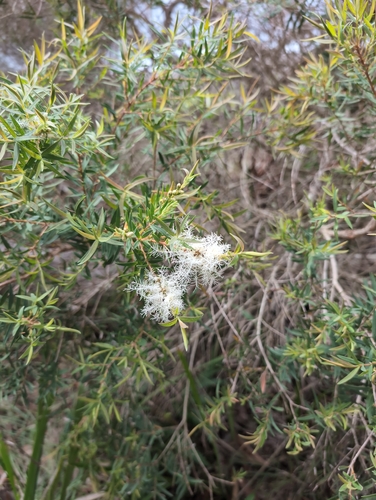 Snow-in-SummerMelaleuca linariifolia
Food for the Grey-headed Flying-foxFeeds 26 kinds of wildlife
-
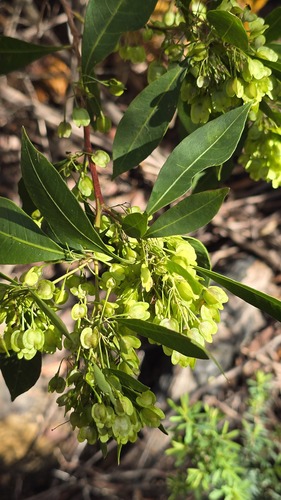 Common Hop BushDodonaea triquetra
Feeds 8 kinds of wildlife
-
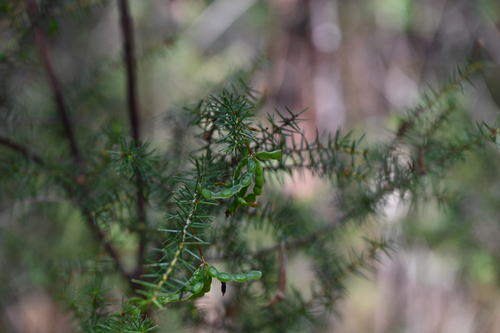 Juniper WattleAcacia ulicifolia
Feeds 1 kind of wildlifePrickly
For a small garden: trees up to 8 m
Shrubs for screening and shelter
-
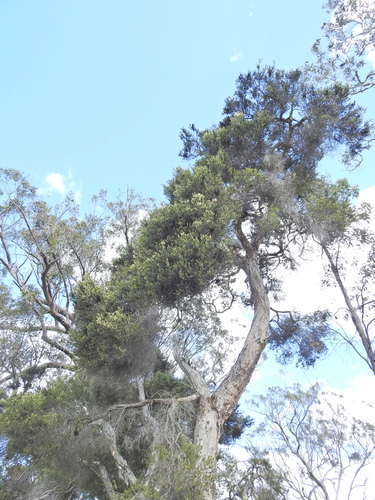 Sieber’s PaperbarkMelaleuca sieberi
Food for the Grey-headed Flying-foxFeeds 8 kinds of wildlife
-
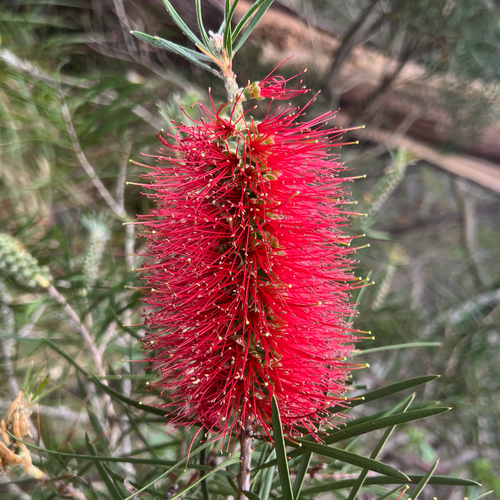 Narrow-leaved BottlebrushCallistemon linearis
Feeds 9 kinds of wildlife
-
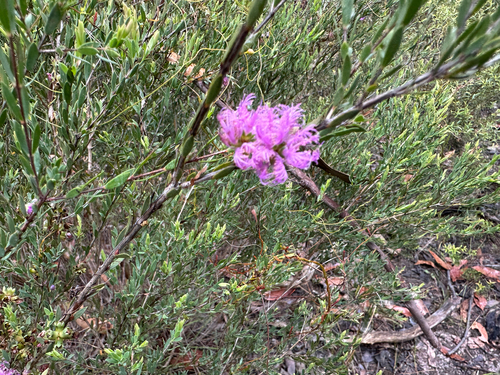 Thyme Honey-myrtleMelaleuca thymifolia
Food for the Grey-headed Flying-foxFeeds 8 kinds of wildlife
-
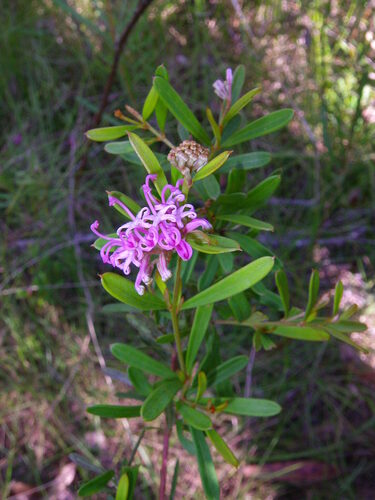 Grevillea humilis
Feeds 12 kinds of wildlife
-
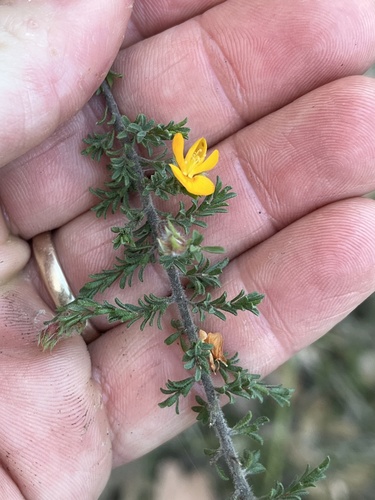 Hairy Bush-peaPultenaea villosa
Feeds 4 kinds of wildlife
Groundcovers, grasses and strappy plants
-
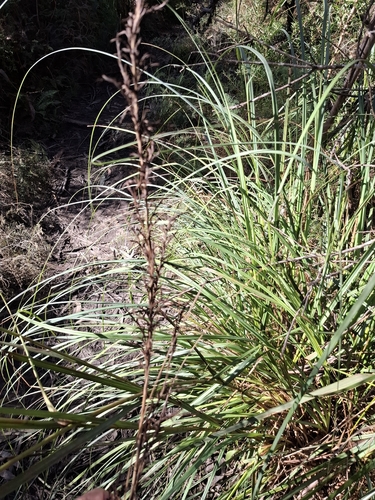 Red-fruit Saw-sedgeGahnia sieberiana
Feeds 10 kinds of wildlife
-
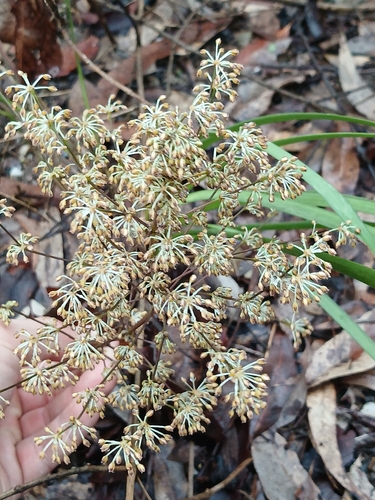 Many Flowered MatrushLomandra multiflora
Feeds 5 kinds of wildlife
-
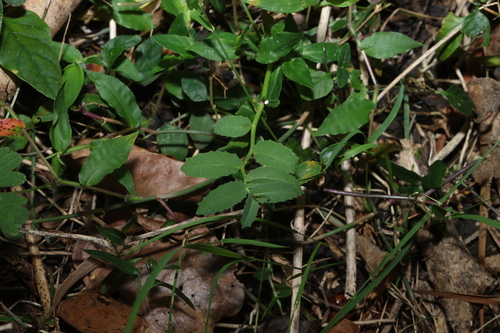 White RootLobelia purpurascens
No wildlife links recorded yetToxic to pets
-
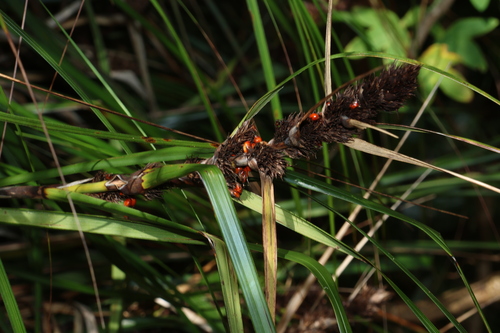 Red-berried Saw-sedgeGahnia aspera
Feeds 6 kinds of wildlife
-
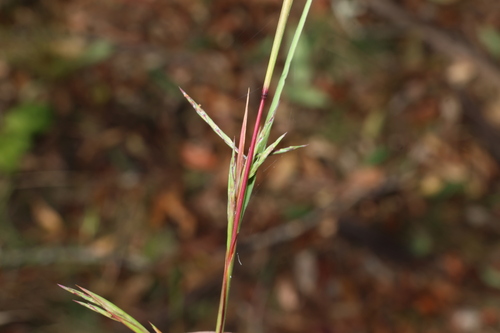 Barbwire GrassCymbopogon refractus
No wildlife links recorded yet
Climbers
Large trees, if you have room
-
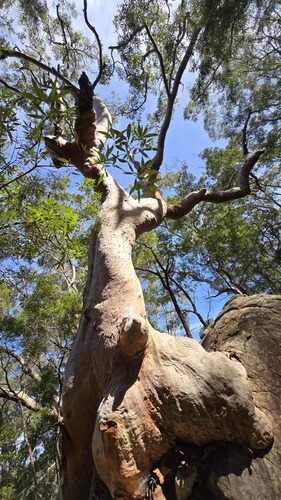 Smooth-barked AppleAngophora costata
Feeds 18 kinds of wildlife
-
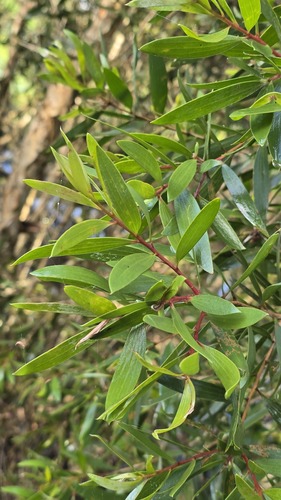 Broad-leaved PaperbarkMelaleuca quinquenervia
Food for the Grey-headed Flying-foxFeeds 90 kinds of wildlife
-
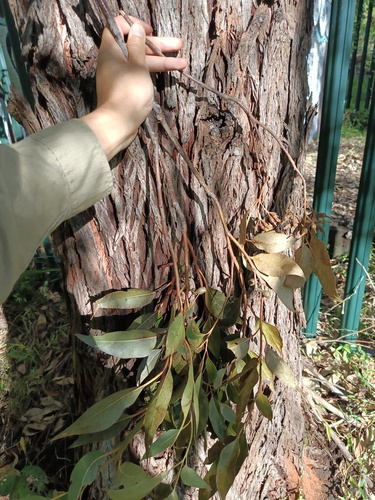 Swamp MahoganyEucalyptus robusta
Food for the Little LorikeetFeeds 22 kinds of wildlife
-
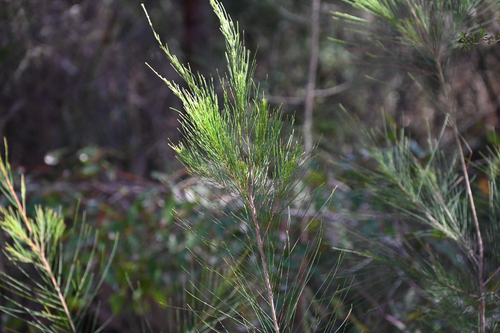 Black SheoakAllocasuarina littoralis
Feeds 13 kinds of wildlife