What to plant in Watsons Crossing
228 native plants grow wild within 11 km of Watsons Crossing. Start with the garden-sized ones below: the most common locally, ranked higher when they feed more local wildlife.
2 threatened species recorded nearbyPlant these first
-
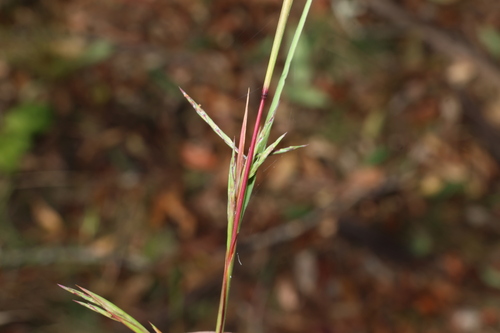 Barbwire GrassCymbopogon refractus
No wildlife links recorded yet
-
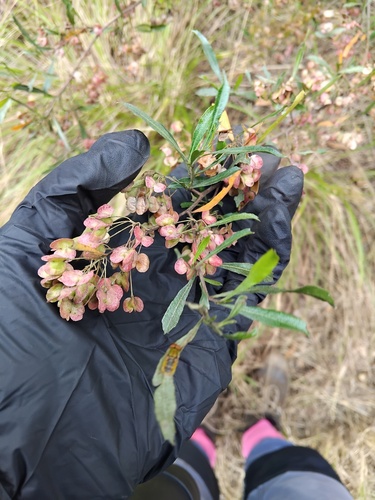 Sticky Hop-bushDodonaea viscosa
Feeds 20 kinds of wildlife
-
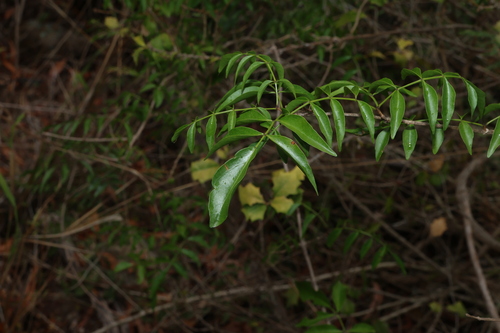 Wonga VinePandorea pandorana
Feeds 4 kinds of wildlife
-
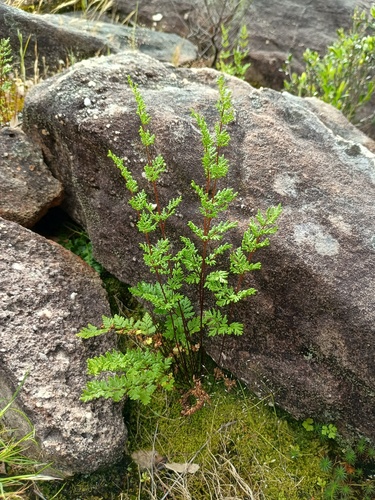 Cloak FernCheilanthes sieberi
No wildlife links recorded yet
-
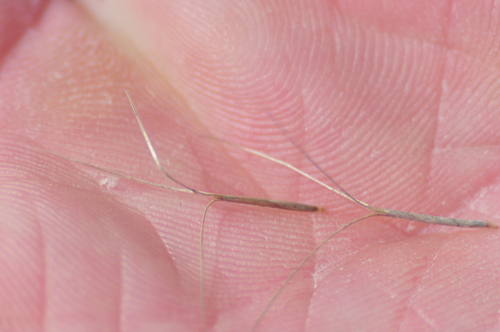 Purple WiregrassAristida ramosa
No wildlife links recorded yet
-
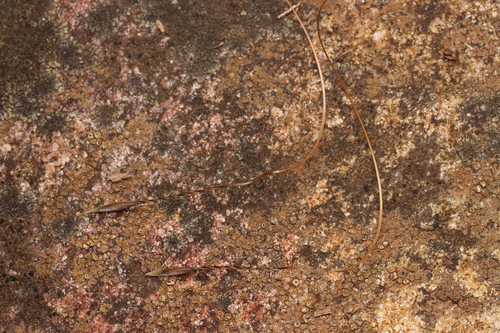 SpeargrassAustrostipa scabra
Feeds 3 kinds of wildlife
-
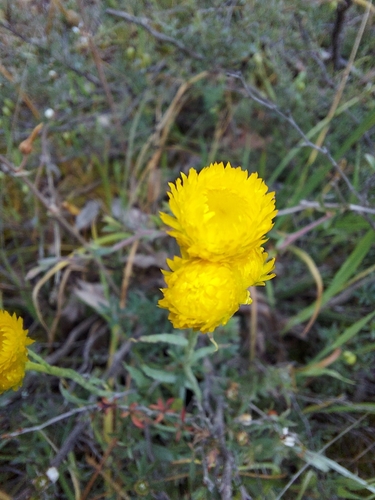 Common EverlastingChrysocephalum apiculatum
Feeds 3 kinds of wildlife
-
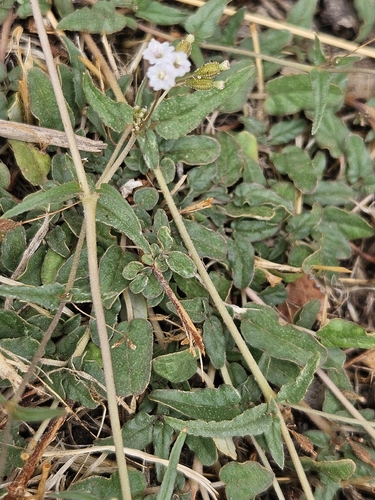 Tah-vineBoerhavia dominii
Feeds 3 kinds of wildlife
-
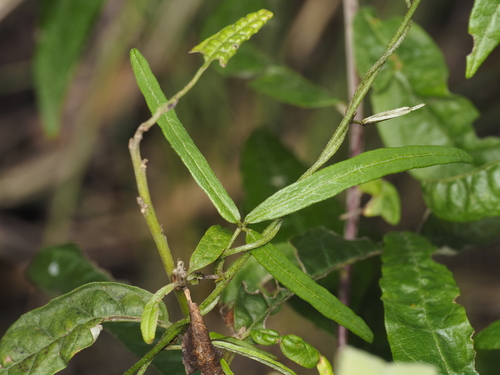 Twining GlycineGlycine clandestina
Feeds 1 kind of wildlife
-
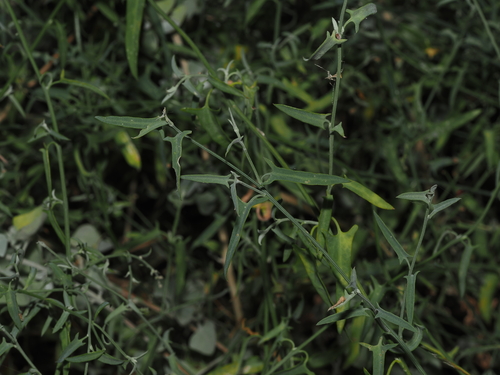 Climbing SaltbushEinadia nutans
Feeds 1 kind of wildlife
-
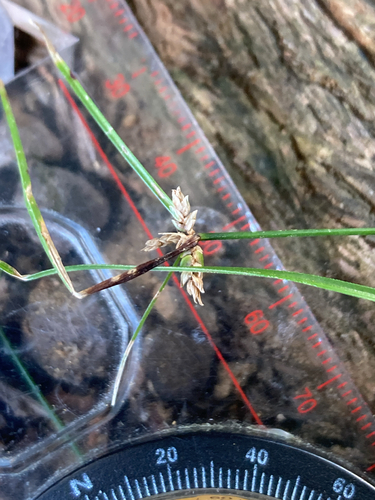 Slender Flat-sedgeCyperus gracilis
No wildlife links recorded yet
-
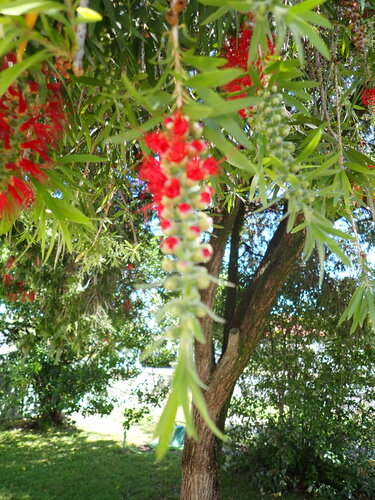 Weeping BottlebrushCallistemon viminalis
Feeds 8 kinds of wildlife
For a small garden: trees up to 8 m
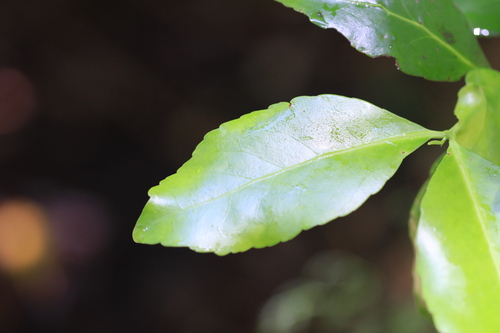
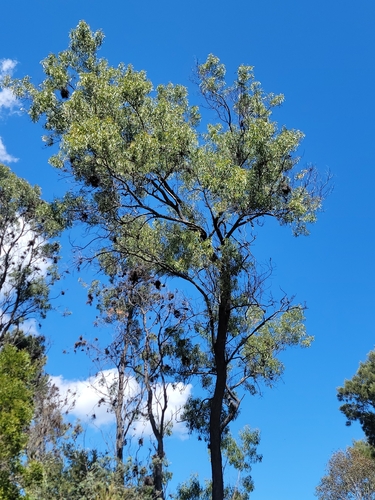
Shrubs for screening and shelter
-
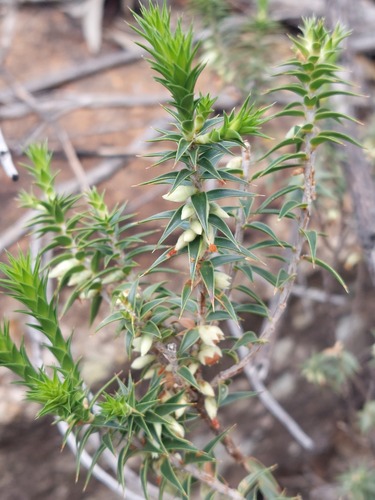 Urn HeathMelichrus urceolatus
Feeds 2 kinds of wildlife
-
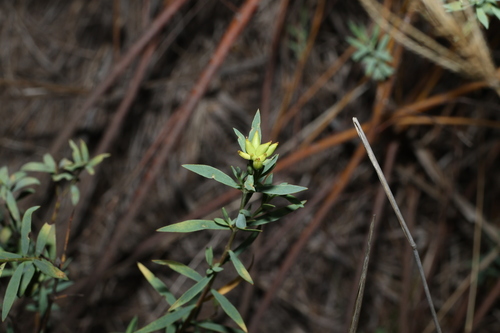 Poison PimeleaPimelea neoanglica
No wildlife links recorded yetToxic to pets
-
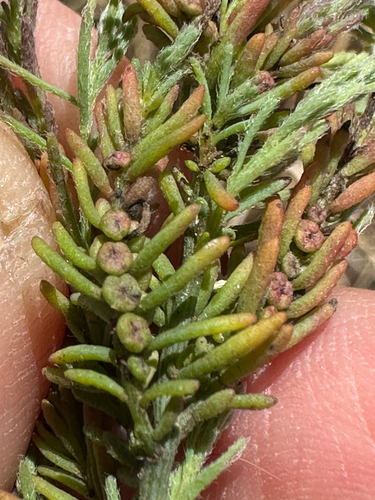 Eastern CottonbushMaireana microphylla
No wildlife links recorded yet
-
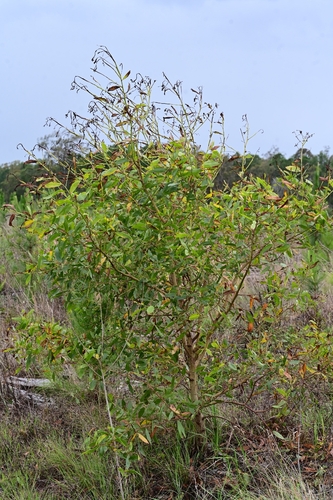 Black WattleAcacia leiocalyx
Feeds 8 kinds of wildlife
-
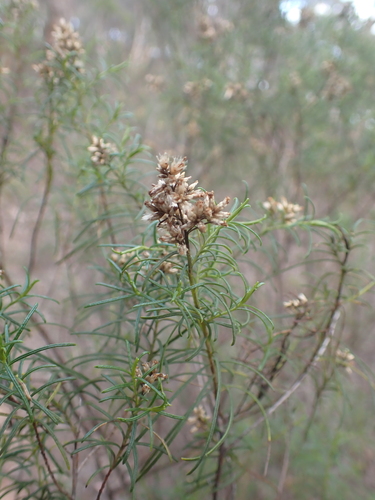 Rosemary CassiniaCassinia quinquefaria
Feeds 1 kind of wildlife
Groundcovers, grasses and strappy plants
-
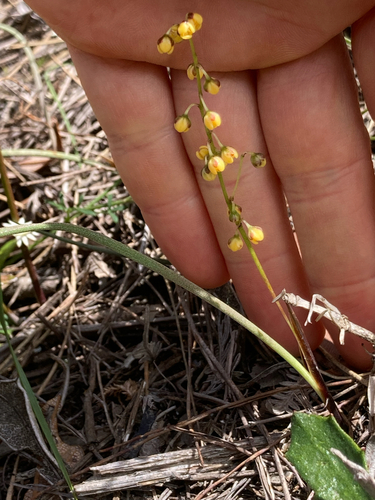 Wattle Mat-rushLomandra filiformis
Feeds 9 kinds of wildlife
-
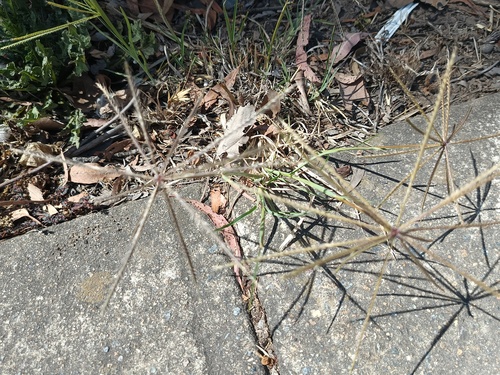 Black Windmill GrassChloris truncata
No wildlife links recorded yet
-
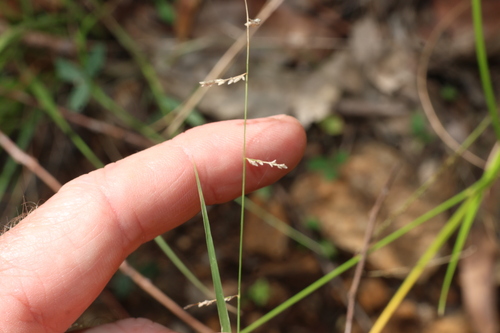 Brown's Love GrassEragrostis brownii
No wildlife links recorded yet
-
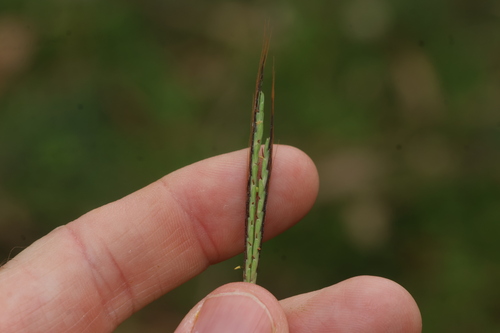 Pitted Blue GrassBothriochloa decipiens
No wildlife links recorded yet
-
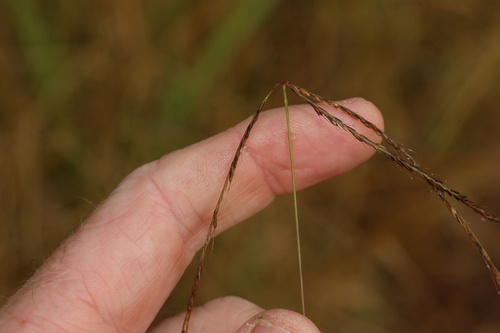 Tall ChlorisChloris ventricosa
No wildlife links recorded yet