What to plant in Wellington East
99 native plants grow wild within 5 km of Wellington East. Start with the garden-sized ones below: the most common locally, ranked higher when they feed more local wildlife.
1 threatened species recorded nearbyPlant these first
-
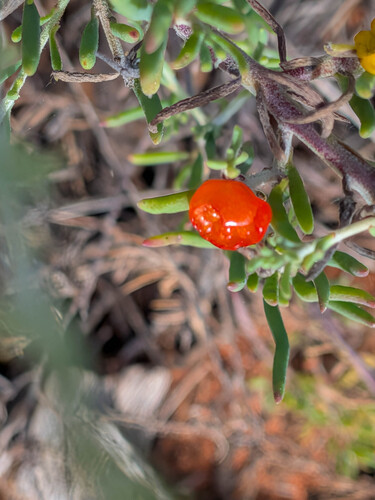 Ruby SaltbushEnchylaena tomentosa
Feeds 7 kinds of wildlife
-
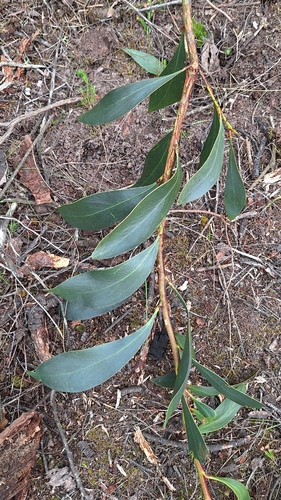 Golden WattleAcacia pycnantha
Feeds 43 kinds of wildlife
-
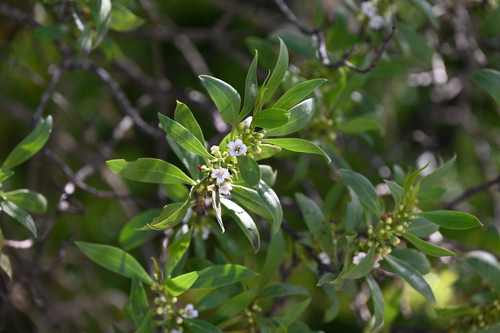 Common BoobiallaMyoporum insulare
Feeds 12 kinds of wildlife
-
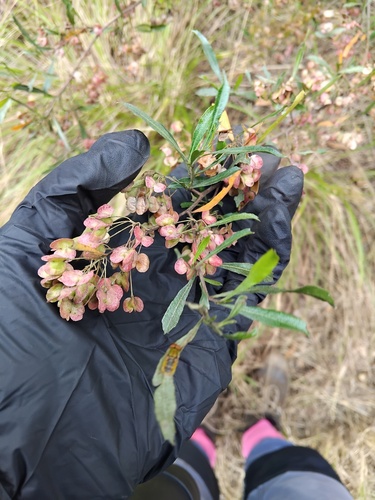 Sticky Hop-bushDodonaea viscosa
Feeds 20 kinds of wildlife
-
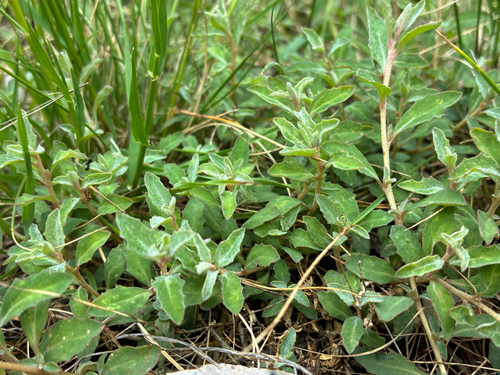 Berry SaltbushAtriplex semibaccata
Feeds 2 kinds of wildlife
-
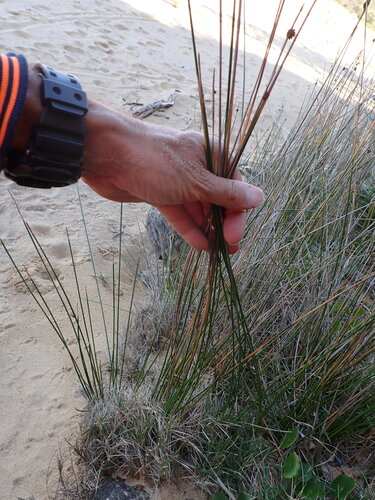 Knobby ClubrushFicinia nodosa
No wildlife links recorded yet
-
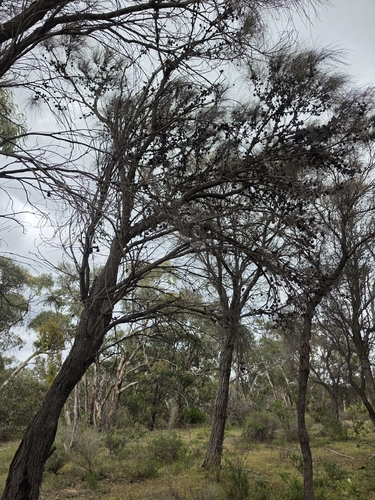 Drooping SheoakAllocasuarina verticillata
Feeds 8 kinds of wildlife
-
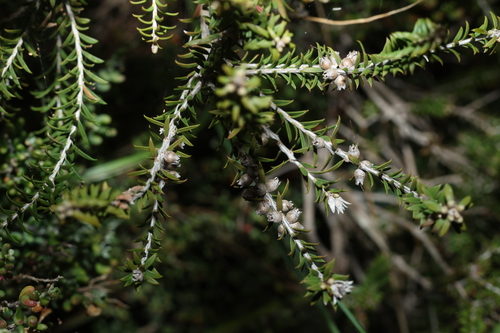 MoonahMelaleuca lanceolata
Feeds 54 kinds of wildlife
-
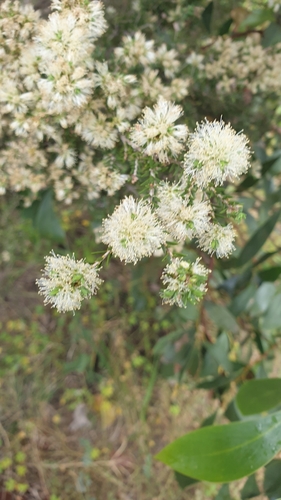 Kangaroo Honey-myrtleMelaleuca halmaturorum
Feeds 16 kinds of wildlife
-
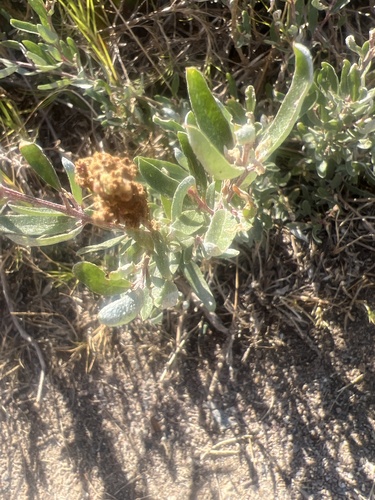 Marsh SaltbushAtriplex paludosa
No wildlife links recorded yet
-
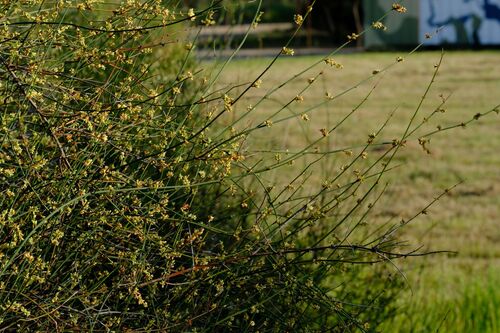 Tangled LignumDuma florulenta
Feeds 7 kinds of wildlife
-
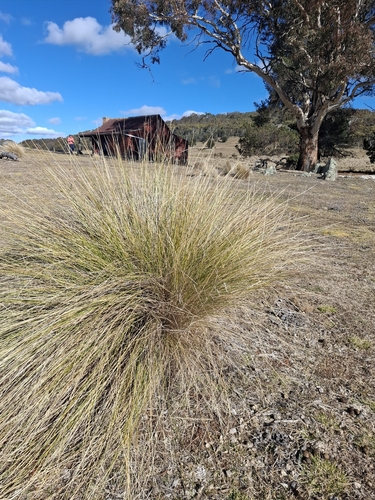 River Tussock GrassPoa labillardierei
Feeds 1 kind of wildlife
For a small garden: trees up to 8 m
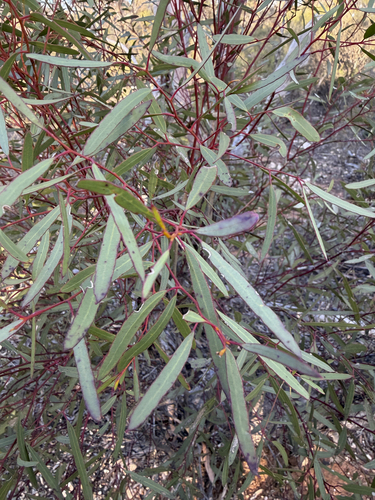
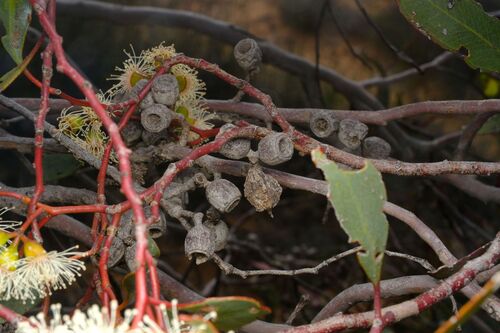
Shrubs for screening and shelter
-
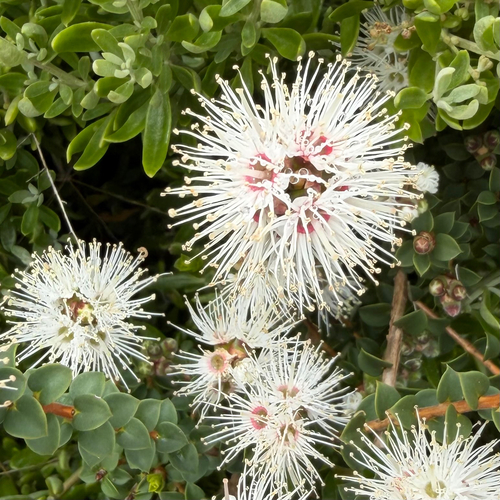 MuntriesKunzea pomifera
Feeds 1 kind of wildlife
-
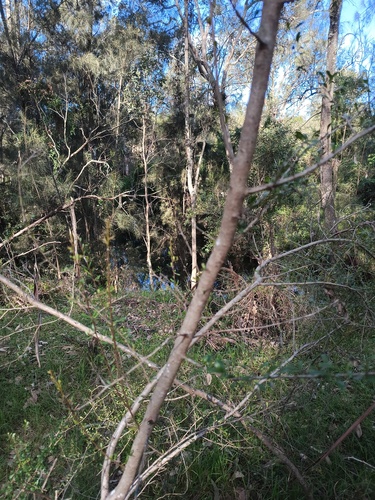 Australian BlackthornBursaria spinosa
Feeds 54 kinds of wildlifePrickly
-
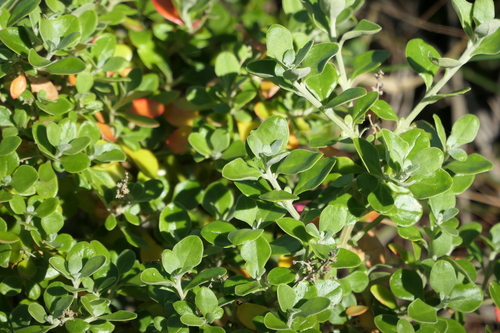 Seaberry SaltbushRhagodia candolleana
Feeds 2 kinds of wildlife
-
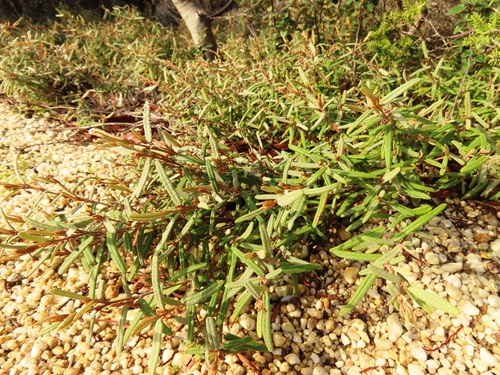 Slender Velvet-bushLasiopetalum baueri
No wildlife links recorded yet
-
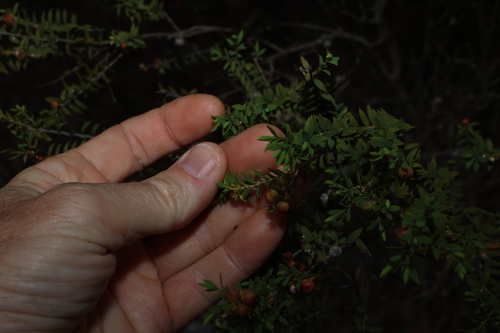 Mallee HoneymyrtleMelaleuca acuminata
Feeds 10 kinds of wildlife
Groundcovers, grasses and strappy plants
-
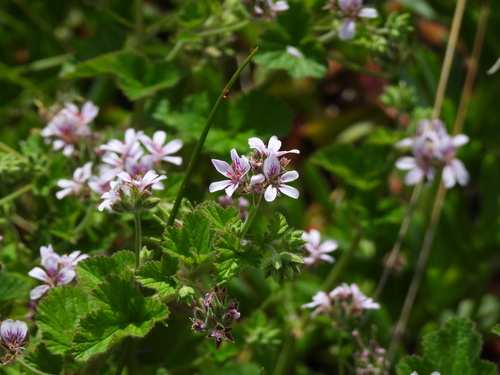 Austral Stork's-billPelargonium australe
Feeds 4 kinds of wildlife
-
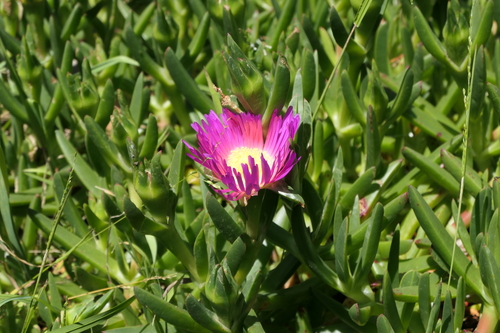 Australian Pig FaceCarpobrotus rossii
Feeds 1 kind of wildlife
-
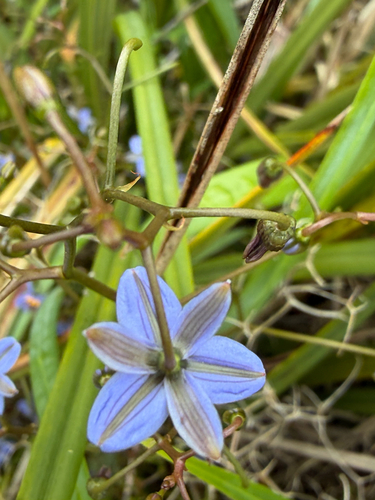 Coast Flax-LilyDianella brevicaulis
No wildlife links recorded yet
-
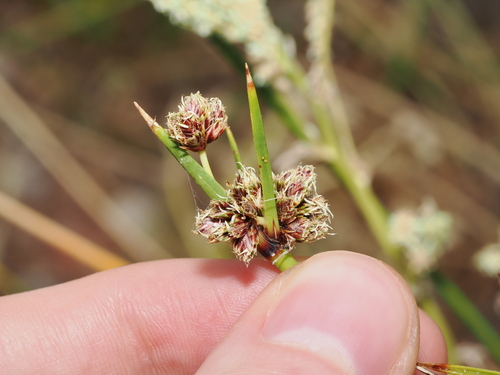 Spiny SedgeCyperus gymnocaulos
No wildlife links recorded yet
-
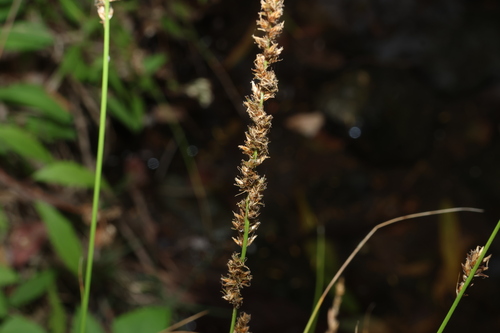 Greater Tussock-sedgeCarex appressa
Feeds 6 kinds of wildlife